How does Google decide who ranks first and who ranks tenth?
There's no simple answer -- Google uses hundreds of factors to determine rankings. But some factors matter more than others.
This article covers the most important ranking factors for 2026, helping you understand where to focus your efforts.
Want to improve your rankings but don't know where to start? Get in touch via LINE.
👉 Free LINE Consultation: @006ljkda
How Does Google Ranking Work?
How Search Engines Operate
The basic flow of Google ranking:
1. Crawling
Google's crawler (Googlebot) continuously visits web pages and discovers new content.
2. Indexing
Crawled content is processed, analyzed, and stored in Google's index.
3. Ranking
When a user searches, Google pulls relevant pages from the index and sorts them according to ranking factors.
In Simple Terms: Your page needs to be crawled first, then indexed, and only then can it compete for rankings.
The Evolution of Ranking Factors
Early SEO (2000s):
- Keyword density mattered a lot
- Link quantity determined everything
- Easy to manipulate
Mid-era SEO (2010s):
- Content quality became important
- Link quality replaced quantity
- Mobile-friendliness became a factor
Modern SEO (2020s):
- User experience is central
- AI can understand content semantics
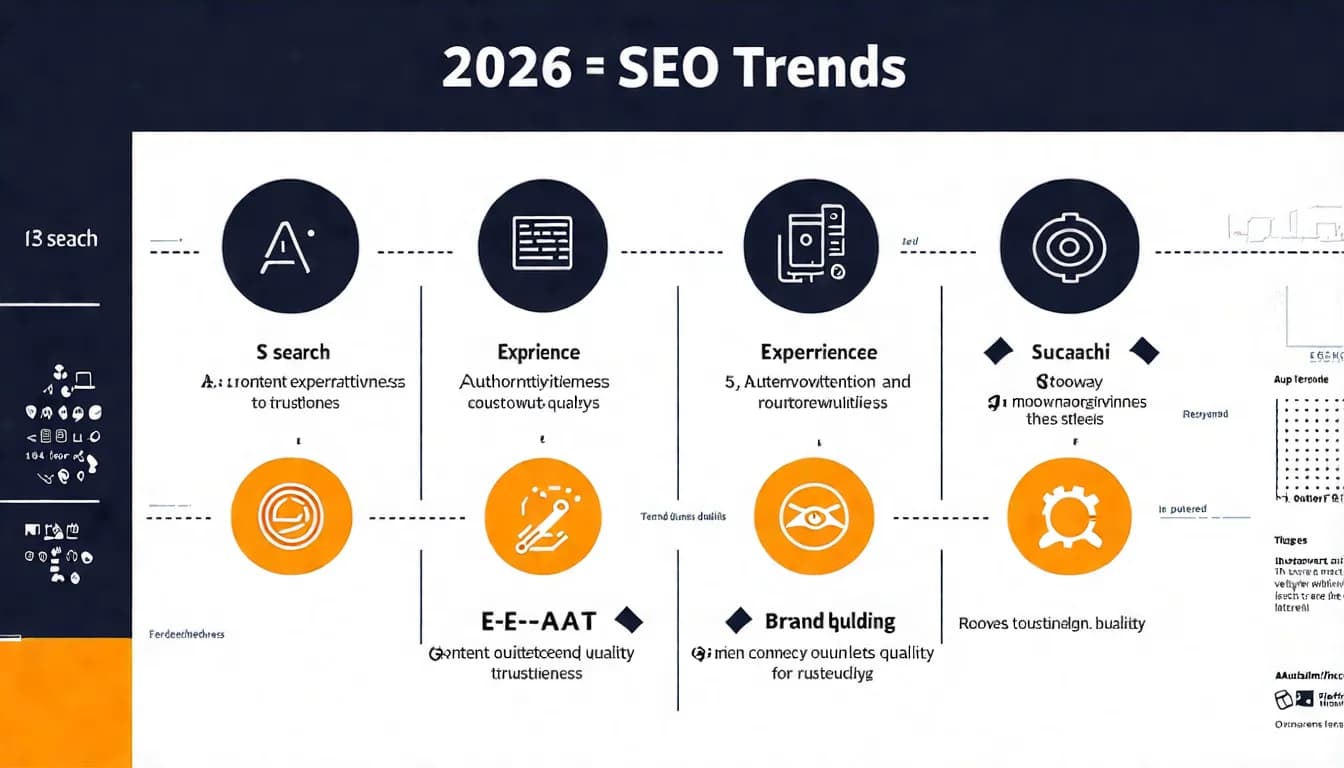
- Systems look for content that demonstrates experience, expertise, authoritativeness, and trustworthiness (E-E-A-T)
What's Different in 2026?
Key Changes:
- More precise AI evaluation: Google can better assess content quality
- Credibility must be visible: E-E-A-T isn't a ranking factor in itself, but Google's systems look for content that shows experience and expertise, so make author and site credentials visible to readers
- User experience still matters: Core Web Vitals remain a ranking factor
- Stronger brand signals: Websites with brand recognition have an advantage
Content-Related Ranking Factors
Content Quality and Depth
What Is "Quality Content"?
Google's standards for evaluating content quality:
- Solves the user's problem: Does the content answer the search query?
- Provides complete information: Does it cover the important aspects of the topic?
- Has practical value: What can the reader gain from it?
- Easy to understand: Is the content clear and accessible?
Depth Does Not Equal Length:
- 1,000 words of refined content can be more valuable than 5,000 words of fluff
- What matters is the depth of topic coverage, not word count
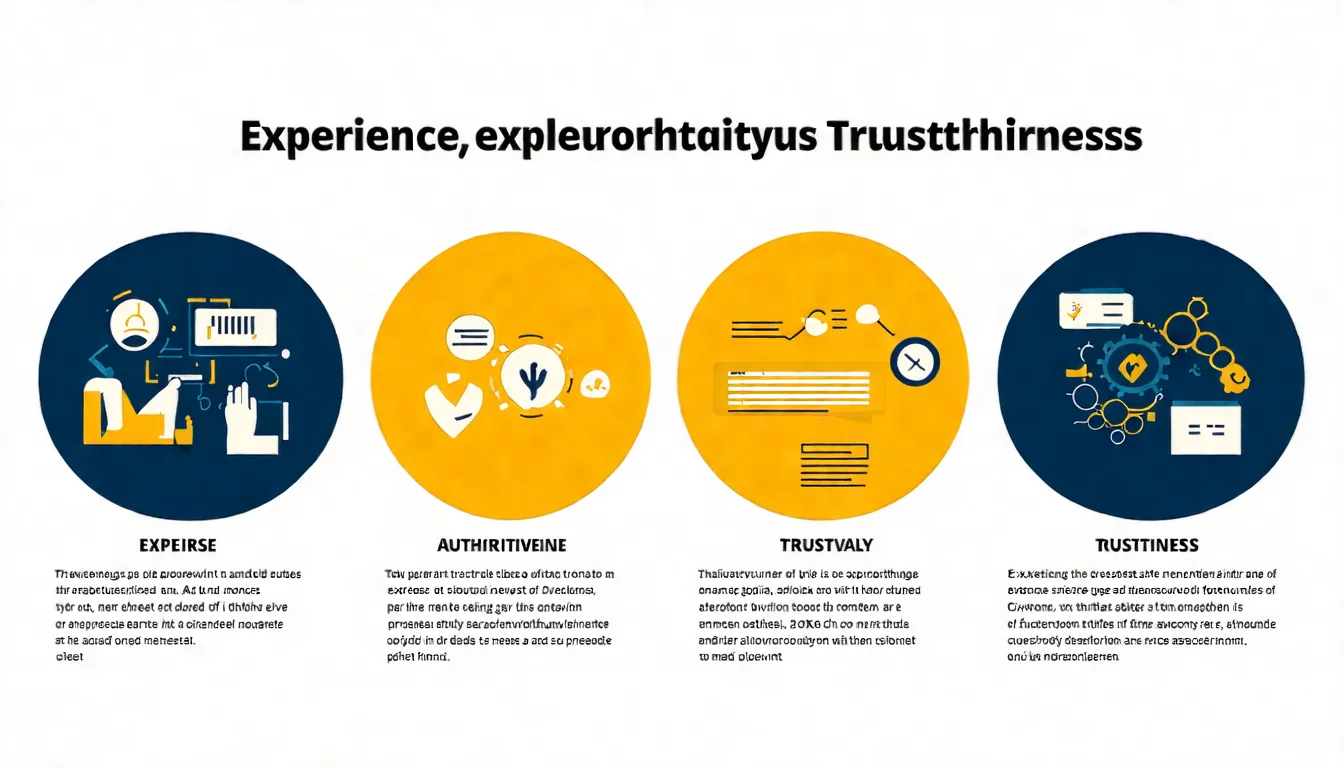
E-E-A-T (Experience, Expertise, Authoritativeness, Trustworthiness)
What Is E-E-A-T?
E-E-A-T comes from Google's Search Quality Rater Guidelines and is a framework for assessing content quality. Google states it is not a ranking factor in itself, but its systems look for content that demonstrates these qualities (Google SEO Starter Guide).
| Letter | Stands For | Description |
|---|---|---|
| E | Experience | Does the author have first-hand experience? |
| E | Expertise | Does the author have relevant professional knowledge? |
| A | Authoritativeness | Is the website authoritative in this field? |
| T | Trustworthiness | Can the content be trusted? |
How to Demonstrate E-E-A-T:
Experience:
- Share first-hand usage experiences
- Provide real case studies
- Show the implementation process
Expertise:
- Author bio explaining background
- Cite credible sources
- Demonstrate depth of professional knowledge
Authoritativeness:
- Get cited by other websites
- Have industry recognition
- Consistently produce relevant content
Trustworthiness:
- Information is accurate and verifiable
- Website has clear contact information
- Follows privacy and security standards
Keyword Relevance
Do Keywords Still Matter?
Yes, but the approach has changed.
The Old Way:
- Stuff titles with keywords
- Calculate keyword density
- Repeat the same keyword excessively
The Modern Way:
- Use keywords naturally
- Cover related topics and synonyms
- Focus on search intent rather than specific terms
Keyword Usage Tips:
- Title: Include the primary keyword
- Opening: Keyword appears in the first 100 words
- Body text: Use naturally, don't force it
- Heading tags: H2, H3 can include related terms
Content Freshness
When Does Freshness Matter?
It depends on the search type:
| Search Type | Freshness Importance | Example |
|---|---|---|
| Breaking news | Very important | "today's news" |
| Trending topics | Important | "2026 SEO trends" |
| Evergreen content | Moderate | "what is SEO" |
| Definitions | Lower | "what is HTML" |
How to Stay Fresh:
- Regular updates: Update important articles annually or quarterly
- Update dates: Display the last updated date
- Add new content: Include the latest information and trends
Originality and Unique Perspectives
Originality Is More Important in 2026
Google is increasingly able to determine:
- Whether content is plagiarized or rewritten
- Whether it offers a unique perspective
- Whether it provides original value
How to Create Originality:
- Share experiences: Your real experience is unique to you
- Original research: Conduct your own surveys or analyses
- Unique viewpoints: Offer different angles or insights
- Innovative synthesis: Organize existing information in new ways
Technical Ranking Factors
Website Speed and Core Web Vitals
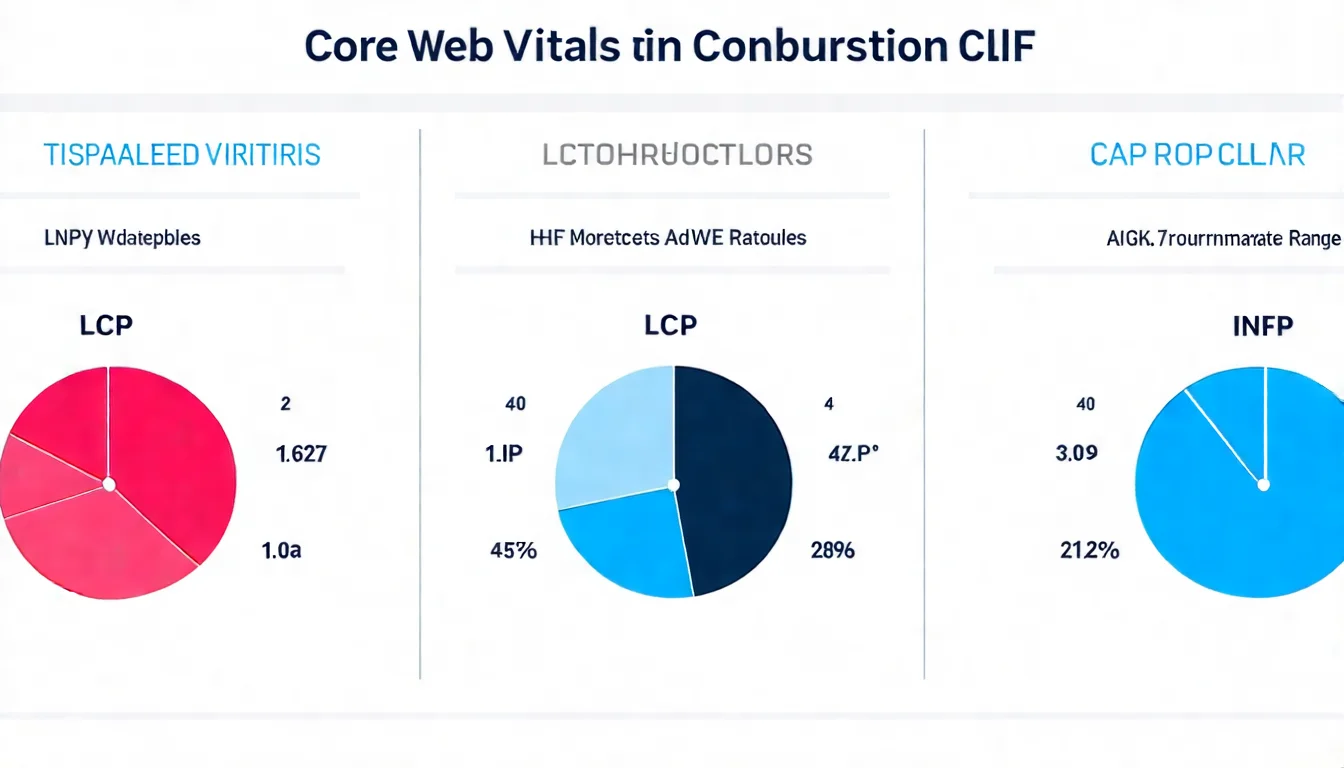
The Three Core Web Vitals Metrics:
1. LCP (Largest Contentful Paint)
- Measures: Loading time of the largest content element
- Standard: <2.5 seconds is good
- Impact: Perceived loading speed
2. INP (Interaction to Next Paint)
- Measures: Response speed to user interactions
- Standard: <200 milliseconds is good
- Impact: Smoothness of user interactions
3. CLS (Cumulative Layout Shift)
- Measures: Visual stability during page load
- Standard: <0.1 is good
- Impact: Reading and clicking experience
Optimization Tips:
- Compress images
- Use a CDN
- Reduce JavaScript
- Optimize server response time
Mobile-Friendliness
Why Does It Matter?
- Google uses Mobile-first indexing
- The majority of searches come from mobile devices
- Poor mobile experience affects rankings
Mobile-Friendly Checklist:
- Responsive design: Automatically adapts to different screens
- Touch-friendly: Buttons are large enough, spacing is adequate
- Readability: Font size is appropriate
- No intrusions: No pop-ups blocking content
HTTPS Security
HTTPS Is a Ranking Factor
Google has confirmed HTTPS as a ranking factor (though relatively low weight).
Why Use HTTPS:
- Helps with rankings
- User trust
- Browser won't display "not secure" warning
- Certain browser features require HTTPS
Site Architecture and Crawlability
Good Site Architecture:
- Clear hierarchy: Home → Categories → Content
- Shallow structure: Important pages reachable within 3 clicks
- Internal links: Logical connections between pages
- Sitemap: Complete site map provided
Ensuring Crawlability:
- Correct robots.txt configuration
- No important pages blocked
- No infinite loops
- Reasonable page load speeds
Structured Data
The Role of Schema Markup:
Structured data helps Google understand your content type.
Common Schema Types:
| Type | Purpose |
|---|---|
| Article | Article content |
| Product | Product information |
| FAQPage | Frequently asked questions (Google no longer displays FAQ rich results; it now only helps with content understanding) |
| LocalBusiness | Local business |
| Review | Reviews |
Benefits:
- Some types may earn rich search results: those still on Google's supported list include Article, Breadcrumb, Product, Review snippet, LocalBusiness, and Video. FAQ and HowTo have been removed from that list
- Helps Google understand content
- Increases click-through rates
The key to ranking is quality content. Let AI help you produce it.
External Link Factors
Backlink Quality
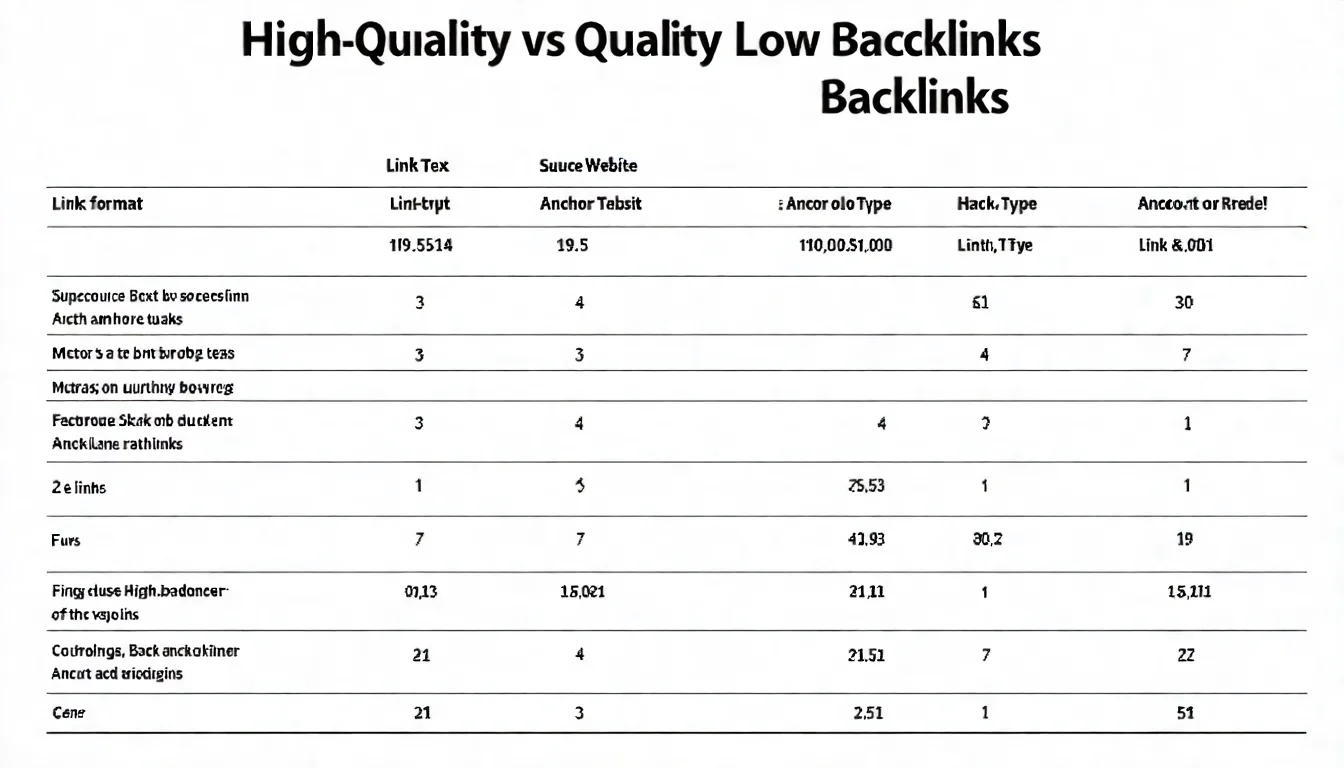
How Is Link Quality Assessed?
| Factor | Quality Link | Low-Quality Link |
|---|---|---|
| Source site | Authoritative, relevant site | Spammy or irrelevant site |
| Link type | Editorially earned | Purchased or exchanged |
| Anchor text | Natural, varied | Over-optimized |
| Position | Within content | Footer or sidebar |
2026 Changes:
- One quality link is worth far more than multiple low-quality ones
- Google is better at identifying paid and manipulated links
- Naturally earned links are the most valuable
Link Relevance
Why Does Relevance Matter?
Links from relevant websites are more valuable because they:
- Represent industry recognition
- Make more logical sense
- Are less likely to appear manipulative
Example:
An SEO website receiving a link:
- From Search Engine Journal: Very valuable (relevant authority)
- From a tech news site: Valuable (related industry)
- From a random blog: Average value (not very relevant)
Link Diversity
Link Sources Should Be Diverse:
- Different domains: Don't get all links from just a few sites
- Different types: News, blogs, forums, social media
- Different anchor text: Brand name, topic terms, natural phrases
Unnatural Link Patterns:
- All links use the same anchor text
- Large number of links acquired in a short period
- Links all come from the same type of site
Brand Mentions
Unlinked Brand Mentions Also Have Value
Google can identify when your brand is mentioned, even without a link.
What This Means:
- Being discussed is itself a signal
- Brand awareness has value
- You don't always need to chase links
User Experience Factors
Click-Through Rate (CTR)
How Does CTR Affect Rankings?
Google hasn't officially confirmed CTR as a ranking factor, but:
- High CTR indicates an attractive title and description
- May indirectly affect rankings
- At minimum, it affects traffic
How to Improve CTR:
- Write compelling titles
- Write persuasive Meta Descriptions
- Use structured data for rich results
- Include the year or numbers
Dwell Time
Does Time Spent on Page Matter?
Longer dwell time may indicate:
- Valuable content
- Users found the information they needed
- Good experience
How to Increase Dwell Time:
- Content must provide value
- Clear and readable structure
- Use multimedia (images, videos)
- Provide further reading options
Bounce Rate
Is a High Bounce Rate Always Bad?
Not necessarily, but check the definition first: in GA4, bounce rate is the share of sessions that were not engaged, and an engaged session is one that lasts longer than 10 seconds, has a key event, or has 2 or more page views. A reader who finishes an article and then leaves isn't a bounce as long as they stayed more than 10 seconds. Then consider context:
High bounce rate might be a problem:
- E-commerce product pages (users should continue browsing)
- Homepage (users should explore other pages)
- Tutorial articles (many people are leaving within 10 seconds; check whether the opening answers the question directly)
High bounce rate might be fine:
- Contact information pages (users glance at the phone number or address and leave)
What matters is whether search intent was satisfied.
Search Intent Matching
This Is the Most Important User Experience Factor
If a user searches "SEO tutorial," they want:
- Tutorial content (not an SEO service pitch)
- Practical information (not theoretical rambling)
- Appropriate level (beginner or advanced)
How to Match Search Intent:
- Study search results: See what top-ranking pages are about
- Understand user needs: What do they really want?
- Provide matching content: Ensure your content meets expectations
New and Elevated Factors in 2026
AI-Generated Content Assessment
How Does Google Evaluate AI Content?
- It doesn't penalize just because it's AI-generated
- Quality is what's evaluated, not the source
- Low-quality AI content will be penalized
- But Google expects disclosure: Google's helpful content guidance explicitly asks you to consider whether "the use of automation, including AI-generation, is self-evident to visitors through disclosures or in other ways." If you use AI to produce content primarily to manipulate search rankings, Google treats that as a spam policy violation
Risks of AI Content:
- Factual errors
- Lack of depth
- No original perspectives
- Generic output
Author Authority
Authors Matter More in 2026
Google is increasingly able to identify who an author is and their level of expertise.
How to Build Author Authority:
- Author page: Complete author bio
- Author links: Link to social media and other published works
- Consistent publishing: Continuously produce content on the same topics
- External recognition: Get cited by other websites
Brand Signals
The Importance of Brand in 2026
Branded websites have advantages:
- Brand searches: People search for your brand name
- Brand mentions: Being discussed online
- Direct traffic: Users visiting directly
- Return visits: Users coming back
How to Build Your Brand:
- Consistently produce quality content
- Be active on social media
- Deliver great user experiences
- Develop a unique brand voice
AI Search Interfaces and the Algorithm Updates of H1 2026
AI Mode Moves to Gemini 3.5 Flash and Passes 1 Billion Monthly Users
At Google I/O on May 19, 2026, Google announced that AI Mode now runs on Gemini 3.5 Flash as its global default model, and that AI Mode has passed 1 billion monthly active users. In practice, this means the first thing more and more searchers see is an AI-generated answer rather than ten blue links — so whether your content is easy for an AI to cite now matters about as much as where you rank.
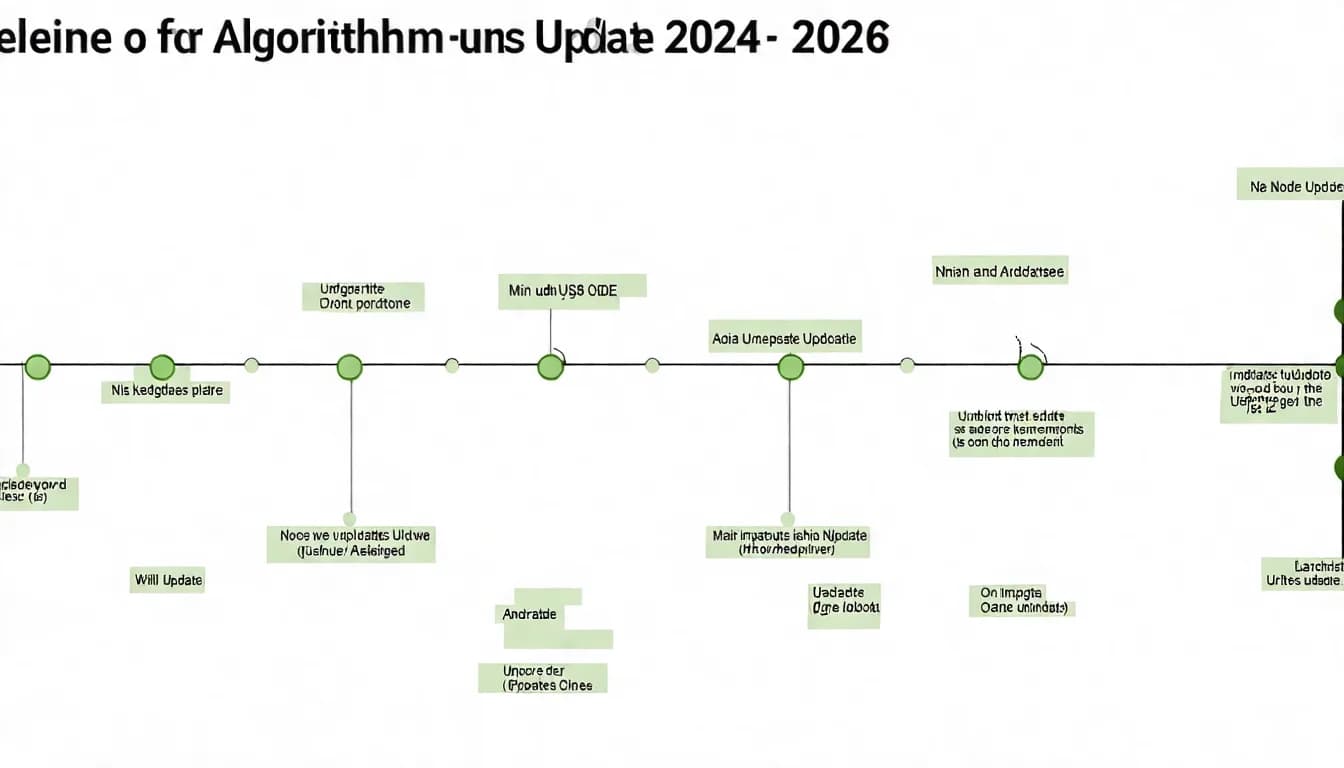
Updates that actually rolled out in the first half of 2026 (per Google's official status dashboard):
| Date | Update Type |
|---|---|
| 2026-02-05 | Discover Update |
| 2026-03-24 | Spam Update |
| 2026-03-27 | Core Update |
| 2026-05-21 | Core Update |
| 2026-06-24 | Spam Update |
What this means for you: two core updates and two spam updates in six months means ranking volatility is normal. If you see positions drop, first check whether it lines up with an update window before you start changing content.
Ranking Factor Importance Hierarchy
The 5 Most Important Factors
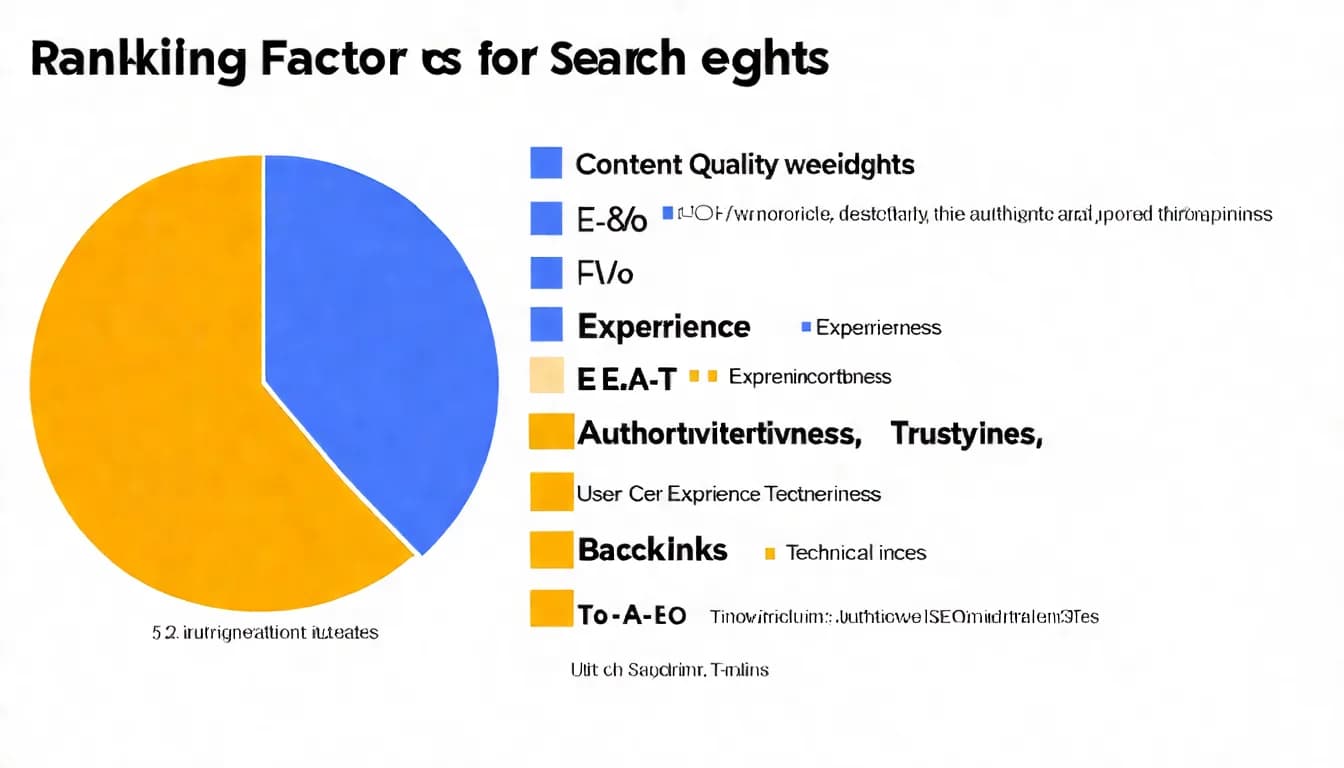
Most Important Ranking Factors for 2026:
-
Content quality and relevance
- Does the content solve user problems
- Is the topic comprehensively covered
- Does it offer original value
-
Credibility (the E-E-A-T framework)
- E-E-A-T isn't a ranking factor in itself, but Google's systems look for content that demonstrates these qualities
- Author experience and expertise
- Website authority
- Content credibility
-
Search intent matching
- Does the content meet user expectations
- Is the format appropriate
- Is the depth sufficient
-
User experience
- Core Web Vitals
- Mobile-friendliness
- Clear page structure
-
Backlinks
- Link quality
- Source relevance
- Natural growth
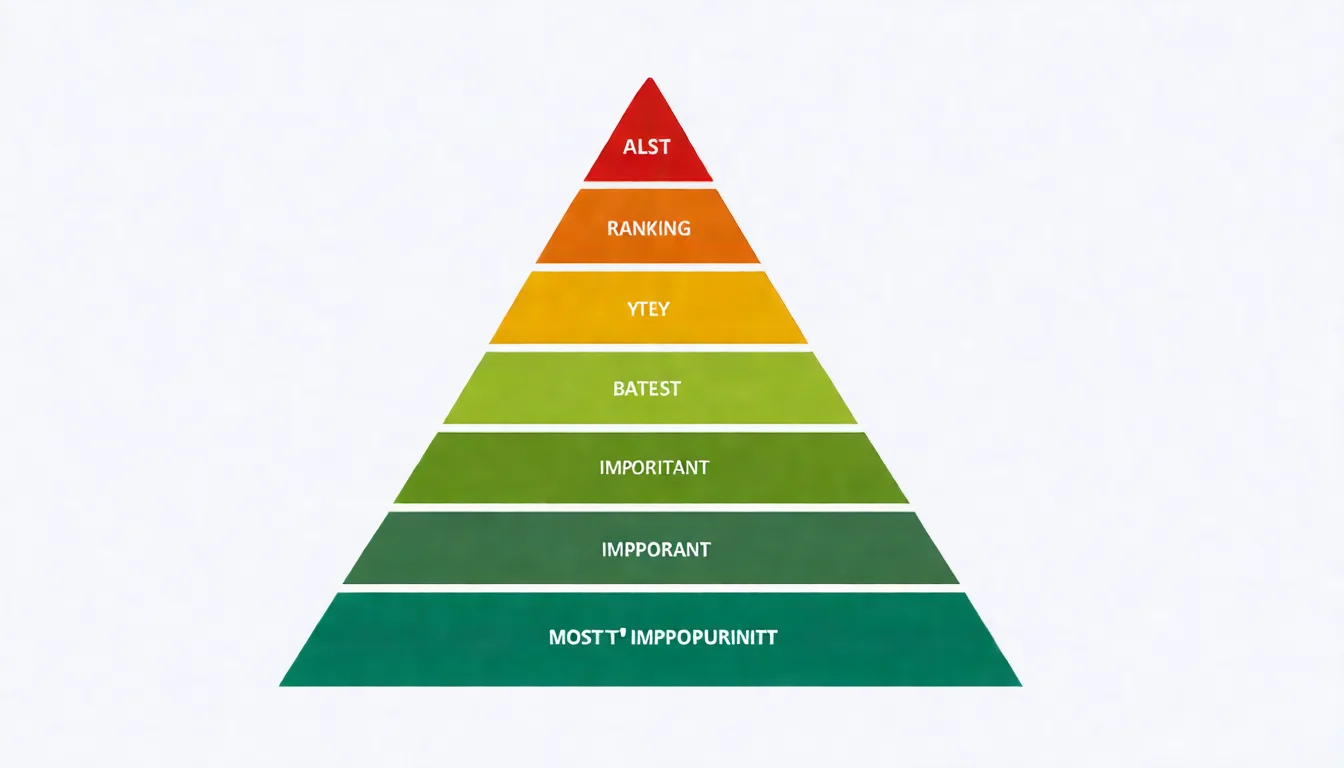
Moderately Important Factors
- Content freshness
- Site architecture
- Structured data
- Internal links
- HTTPS
Supporting Factors
- Social signals (indirect impact)
- Domain age (mostly a myth)
- Keywords in URL (minimal impact)
How to Focus on What Matters for SEO Rankings
The Core of SEO Rankings in 2026:
- Content is king: Quality content is the foundation
- Users first: Create for users, not search engines
- Build trust: E-E-A-T is a long-term investment
- Get the technical right: Ensure your technical foundation is solid
- Grow naturally: Don't chase shortcuts
Our Advice:
Don't try to optimize every factor. Focus on the most impactful ones:
- Produce high-quality content
- Meet user needs
- Establish a professional image
- Ensure there are no technical issues
Learn more about SEO trends in our 2026 SEO Trends Complete Guide.
For technical SEO, check out our technical SEO guide.
After mastering ranking factors, the next step is consistent content production. Contact us via LINE for AI article solutions.