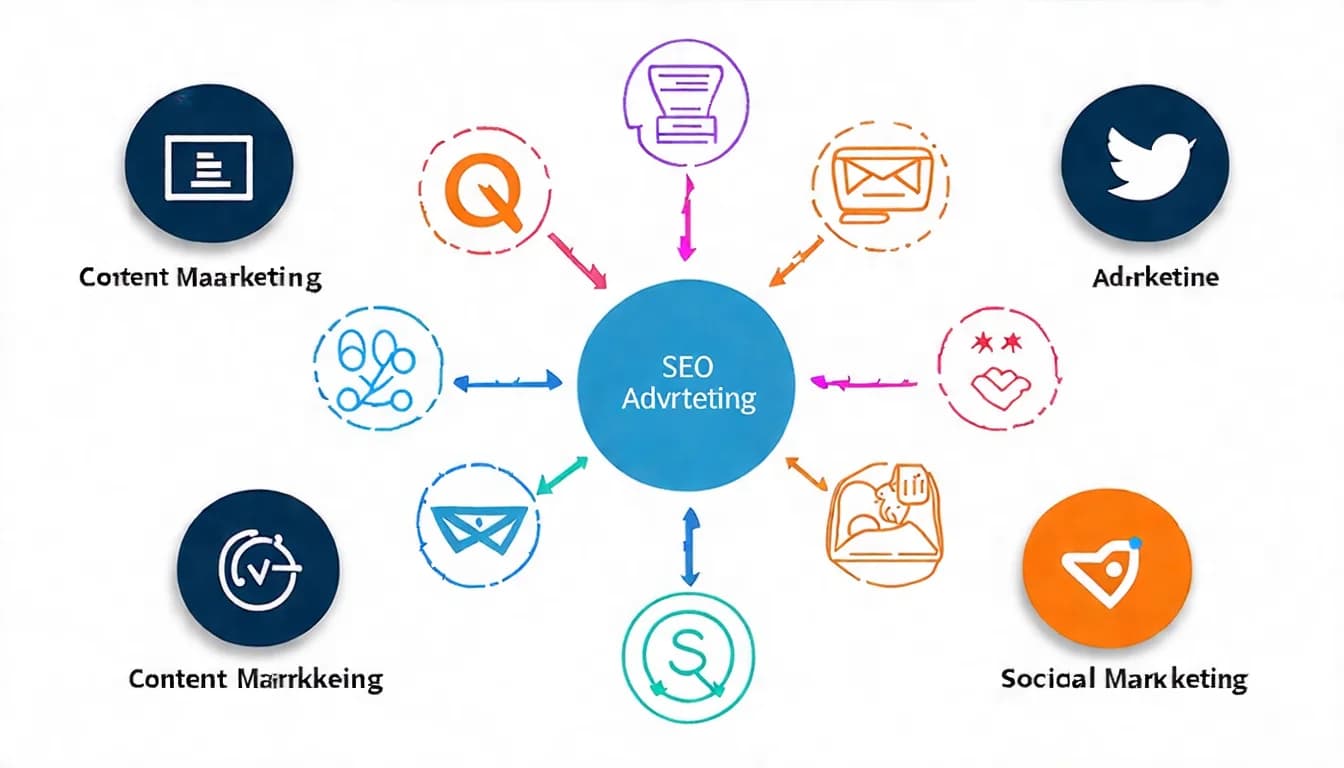
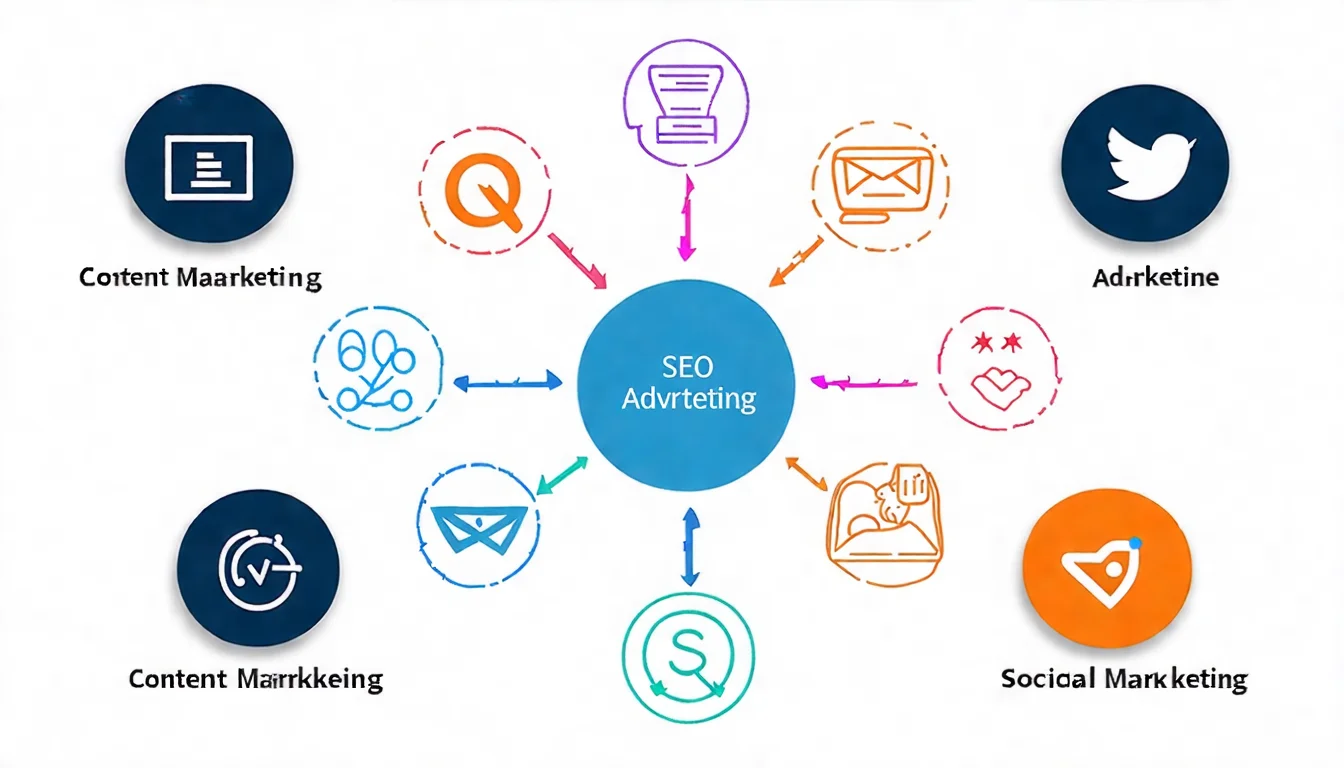
"What marketing strategies are out there? Which one should I choose?"
This is a common question among business owners and marketing professionals. With countless marketing strategies -- from the classic 4Ps to the many digital marketing channels -- the options can be overwhelming.
This article starts from foundational marketing concepts, walks you through the various strategies available, and teaches you how to plan the right marketing approach for your business.
Marketing strategy requires professional planning. Contact us on LINE for content marketing solutions and let our professional team help you build a strong content foundation.
Marketing Fundamentals
What Is Marketing?
Marketing is the process of communicating the value of a product or service to a target audience and motivating them to take action through various activities.
Simply put, marketing is about:
- Finding the right people (target audience)
- Saying the right things (value proposition)
- In the right place (channels)
- Driving action (conversion)
Why Do You Need a Marketing Strategy?
Marketing without a strategy is like traveling without a map -- you might end up somewhere, but it probably won't be where you wanted to go, and you'll waste a lot of time and money along the way.
Benefits of a marketing strategy:
- Clear direction: Know what to do and why
- Resource allocation: Spend budget where it matters most
- Consistency: All marketing activities share a common goal
- Measurability: Track and evaluate results
Marketing vs. Sales
| Aspect | Marketing | Sales |
|---|---|---|
| Focus | Creating demand | Fulfilling demand |
| Scope | One-to-many | One-to-one |
| Timeframe | Long-term cultivation | Short-term closing |
| Goal | Build brand, attract customers | Complete transactions |
| Activities | Content, advertising, SEO | Negotiation, quoting, closing |
Marketing and sales must work closely together -- marketing "brings in customers" while sales "closes them."
Traditional Marketing Strategy Frameworks
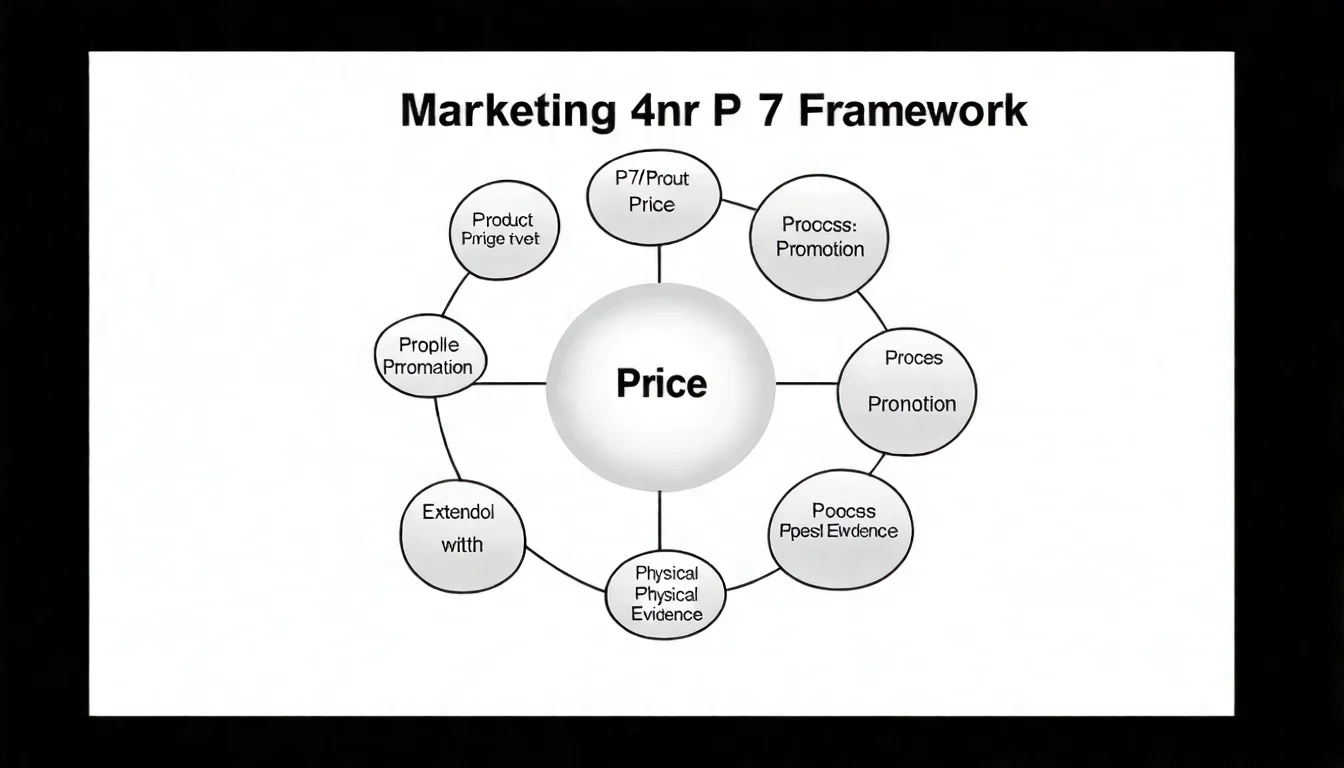
The Marketing 4Ps
The 4Ps is the most classic marketing framework, introduced by E. Jerome McCarthy in the 1960s.
Product
- What product or service do you offer?
- What are its features and advantages?
- How does it meet customer needs?
Price
- What is your pricing strategy?
- How does it compare to competitors?
- What promotional offers are available?
Place (Distribution)
- Where can customers buy your product?
- Online or offline?
- How are delivery and logistics arranged?
Promotion
- How do you make customers aware of you?
- What promotional channels do you use?
- How do you communicate product value?
The Extended 7Ps
For service industries, the 4Ps extend to 7Ps:
People
- Who delivers the service?
- Team expertise and attitude
- Training and management practices
Process
- What is the service delivery process?
- The customer journey
- How to ensure consistent quality
Physical Evidence
- What visible proof exists?
- Environment and atmosphere
- Brand identity elements
STP Market Segmentation Strategy
Before developing a 4P strategy, conduct an STP analysis:
Segmentation Divide the market into distinct groups:
- Demographics (age, gender, income)
- Geography
- Psychographics (lifestyle, values)
- Behavior (purchase habits, usage frequency)
Targeting Choose which market segments to focus on:
- Which market is the largest?
- Which market is the best fit for us?
- Where is competition lowest?
Positioning Establish a unique place in your target customers' minds:
- What is our unique value?
- How do we differ from competitors?
- How do we make customers remember us?
Digital Marketing Strategies
Search Engine Optimization (SEO)
SEO is the strategy of improving your website's ranking in search results.
Pros:
- Long-term, stable, free traffic
- High-intent visitors (actively searching)
- Builds brand authority
Cons:
- Takes time (in our experience, clear progress usually starts showing within 3-6 months)
- Requires ongoing investment
- Subject to algorithm changes
Best For:
- Businesses committed to long-term growth
- Companies with content resources
- B2B and knowledge-based industries
Content Marketing
Content marketing attracts and converts customers through valuable content.
Content Types:
- Blog articles
- Videos
- E-books/whitepapers
- Podcasts
- Social media posts
Benefits of content marketing:
- Builds expertise and trust
- Supports SEO rankings
- Accumulates long-term assets
- Educates the market
Content marketing is the foundation of long-term strategy. Let AI help you produce SEO-optimized content to steadily build your content assets.
Social Media Marketing
Social media is the channel for direct customer interaction.
Major Platforms (Taiwan):
- Facebook: Broadest user base
- Instagram: Visual content, younger demographics
- LINE: Direct communication, high conversion rates
- YouTube: Video content
- LinkedIn: B2B, professionals
Social media marketing priorities:
- Choose the right platforms (where your audience is)
- Create interactive content
- Maintain consistent presence
- Leverage paid promotion
Email Marketing
Email marketing remains one of the highest-converting channels.
Email marketing types:
- Welcome emails: First email for new subscribers
- Newsletters: Regular content updates
- Promotional emails: Deals and campaigns
- Re-engagement emails: Win back inactive customers
Keys to success:
- Great subject lines (determine open rates)
- Valuable content
- Clear CTAs
- Appropriate sending frequency
Paid Advertising (PPC)
Paid ads deliver quick traffic and visibility.
Major Platforms:
- Google Ads (search ads, display ads)
- Facebook/Instagram Ads
- LINE Ads
- YouTube Ads
Characteristics of paid advertising:
- Immediate results
- Precise audience targeting
- Full budget control
- No effect once spending stops
When to use paid advertising:
- Need fast results
- New product launches
- Time-limited campaigns
- Supplementing insufficient organic traffic
Marketing Strategy Planning Steps
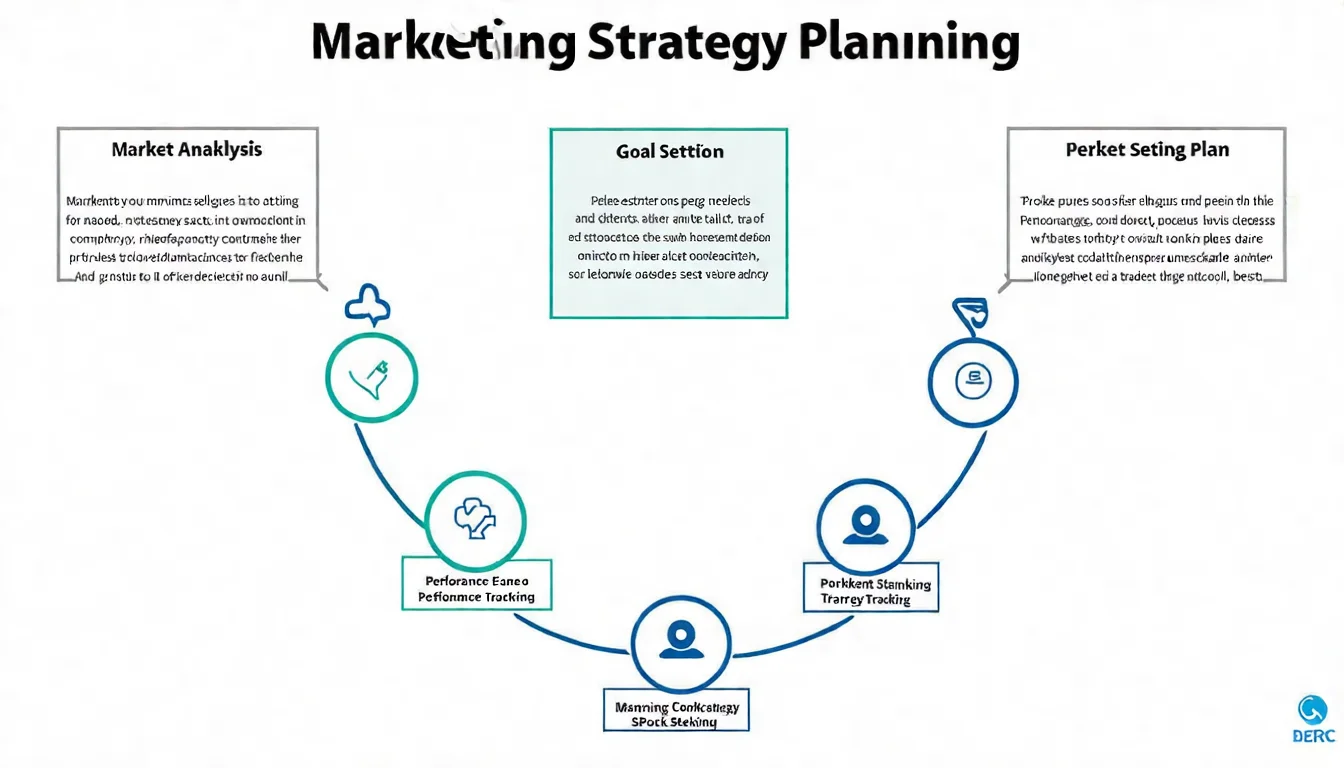
Step 1: Market Analysis
Before crafting a strategy, understand the current market landscape.
SWOT Analysis:
- Strengths: What are our advantages?
- Weaknesses: Where do we fall short?
- Opportunities: What market opportunities exist?
- Threats: What external threats are there?
Competitive Analysis:
- Who are the main competitors?
- What are their strategies?
- What is our differentiation?
Customer Analysis:
- Who is our target customer?
- What are their needs?
- Where are they?
Step 2: Goal Setting
Set clear, measurable marketing goals.
SMART Goals:
- Specific: Clear, defined objectives
- Measurable: Trackable numbers
- Achievable: Realistically attainable
- Relevant: Aligned with business goals
- Time-bound: With a deadline
Examples:
- Grow website traffic by 30% in Q2
- Reach 5,000 email subscribers by year-end
- Generate 100 inquiries per month from organic search
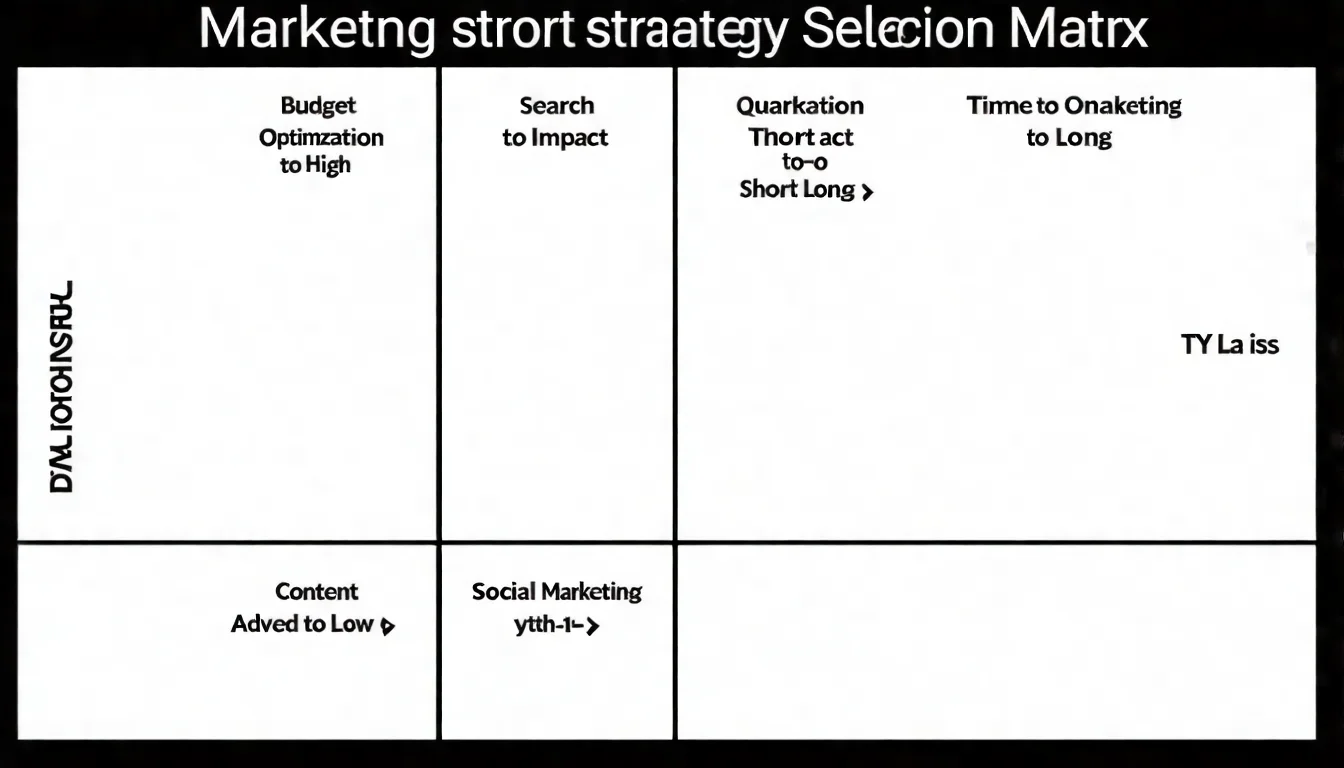
Step 3: Strategy Selection
Based on your analysis and goals, choose the right strategy mix.
Considerations:
- How much budget do you have?
- What resources are available?
- How fast do you need results?
- Where is your target audience?
Common Strategy Combinations:
| Goal | Recommended Strategy |
|---|---|
| Quick exposure | Paid ads + social media |
| Long-term growth | SEO + content marketing |
| Brand building | Content marketing + social media |
| Direct conversions | Paid ads + email |
Step 4: Execution Plan
Turn strategy into a concrete action plan.
Plans should include:
- Specific action items
- Responsible personnel
- Timeline
- Required resources
- Expected outcomes
Example:
| Action | Owner | Timeline | Budget |
|---|---|---|---|
| Publish 2 articles per week | Content team | Ongoing | NT$ 20,000/month |
| Google Ads campaigns | Ad team | Ongoing | NT$ 30,000/month |
| Social media content | Social team | Ongoing | NT$ 15,000/month |
Step 5: Performance Tracking
Continuously track and optimize marketing performance.
Tracking metrics:
- Traffic: Visitor count, traffic sources
- Engagement: Average engagement time, bounce rate (GA4 definition: the share of sessions that weren't engaged)
- Conversions: Inquiries, orders
- ROI: Return on investment
Optimization cycle:
- Set goals
- Execute plan
- Track data
- Analyze results
- Adjust strategy
- Return to step 2
Marketing Strategy Case Studies
B2B Marketing Example
Scenario: A B2B software company wants to increase inquiries
Strategy mix:
- Content marketing: Publish professional industry articles and whitepapers
- SEO: Optimize product keyword rankings
- LinkedIn: Share professional content, build connections
- Email: Nurture potential customers
Success factors:
- In-depth professional content
- Long-term customer relationship cultivation
- Patience in educating the market
B2C Marketing Example
Scenario: An e-commerce company wants to boost sales
Strategy mix:
- Social media marketing: Instagram and Facebook management
- Paid advertising: Google Shopping ads, Facebook ads
- Content marketing: How-to guides, product reviews
- Email: Promotional notifications, member engagement
Success factors:
- Visual appeal
- Responsive customer service
- Consistent promotional activities
Analyzing Success Factors
Successful marketing strategies typically share these characteristics:
- Clear target audience: Know who you're selling to
- Unique value proposition: Know why customers should choose you
- Consistent brand messaging: All channels convey the same message
- Sustained execution: Not a one-time effort
- Data-driven: Optimize based on data
Marketing Budget Planning
How to Allocate Your Marketing Budget
Budget allocation principles:
- Allocate by goal priority
- Reserve a portion for testing new channels
- Adjust based on ROI
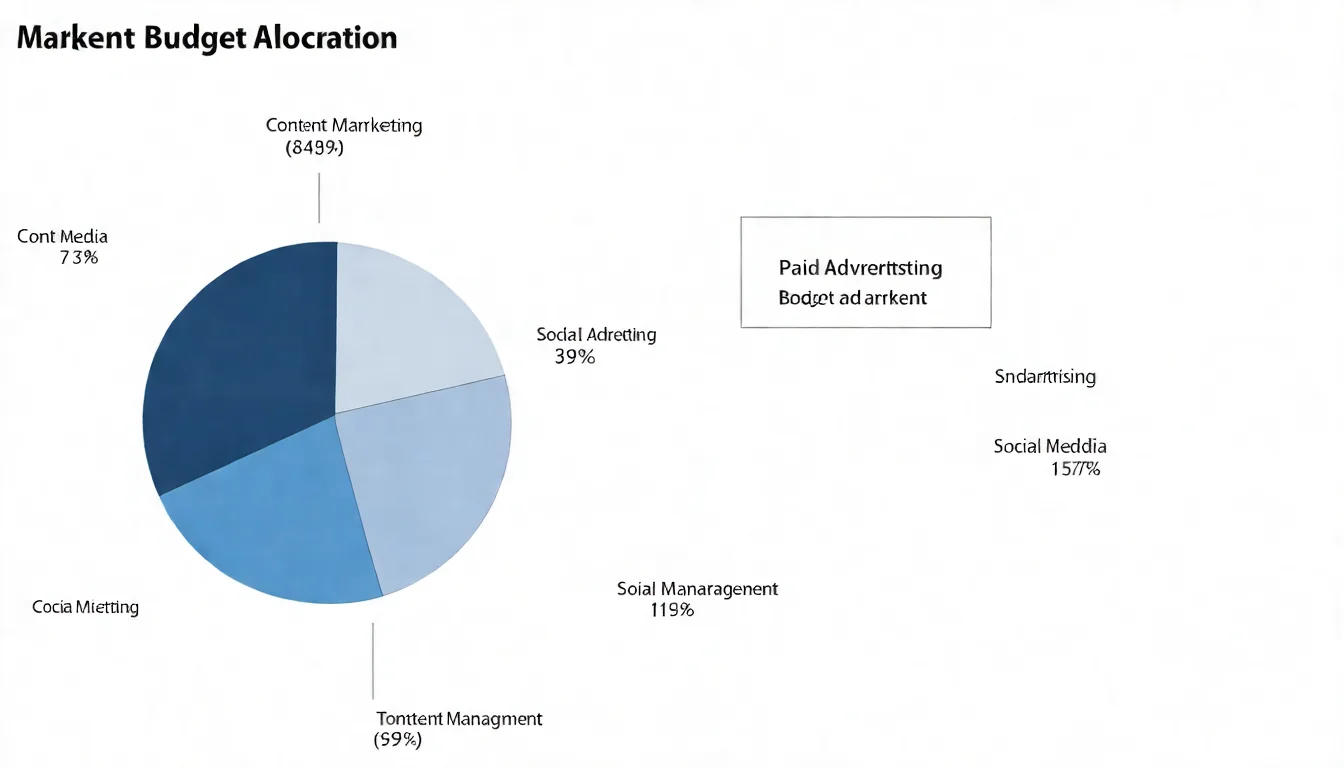
Reference allocation:
| Channel | Suggested Ratio | Notes |
|---|---|---|
| Content marketing/SEO | 30-40% | Long-term investment |
| Paid advertising | 30-40% | Quick results |
| Social media | 15-20% | Brand engagement |
| Other/testing | 10-15% | Try new channels |
ROI by Strategy
| Strategy | Time to Results | ROI Potential | Risk |
|---|---|---|---|
| SEO | 3-6 months | High (long-term) | Low |
| Content marketing | 3-6 months | High (long-term) | Low |
| Paid advertising | Immediate | Medium | Medium |
| 2-4 weeks | Very high | Low | |
| Social media | 1-3 months | Medium | Medium |
The timeframes in this table are estimates from our own experience, not guarantees: for SEO, in our experience, clear progress usually starts showing within 3-6 months; Google's own guidance says some changes take effect in a few hours while others can take several months, and suggests waiting a few weeks before assessing results.
In the long run, SEO and content marketing typically deliver the highest ROI.
FAQ
What strategy should I start with on a small budget?
Recommended priority:
- SEO + content: Lowest cost, long-term results
- Social media: Free to start, builds followers
- Email marketing: Extremely low cost, high conversion
- Small ad budget: Test results before scaling
How often should marketing strategies be adjusted?
Recommendations:
- Weekly: Track data, make small adjustments
- Monthly: Review results, optimize execution
- Quarterly: Evaluate strategy, adjust direction if needed
- Annually: Comprehensive review, create a new annual plan
Internal team or outsource?
| Scenario | Recommendation |
|---|---|
| Core competencies | Internal team |
| Specialized skills | Outsource |
| Long-term needs | Internal + outsourced support |
| Limited budget | Internal learning + AI tools |
Why Good Strategy Needs Good Execution
There's no "best" marketing strategy -- only the "most suitable" one.
Keys to developing your strategy:
- Know yourself: Strengths, weaknesses, resources
- Know your customers: Needs, behaviors, where they are
- Know the market: Competition, trends, opportunities
- Choose your strategy: Select the best combination based on the above
- Continuously optimize: Execute, track, adjust
Remember, even the best strategy requires strong execution. Once you've chosen a direction, consistent investment is how you see results.
Great marketing needs great content. Contact us on LINE for AI content solutions and let our professional team keep producing high-quality content to build a strong marketing foundation.

![Marketing Agency Recommendations: How to Choose the Right Agency [2026 Guide]](/_next/image?url=%2Fblog%2Fimages%2Fwebsite-management%2Fmarketing-agency-guide-01.webp&w=3840&q=75)