![Marketing Job Responsibilities: Skills and Duties of Marketing Professionals [2026 Complete Guide]](/_next/image?url=%2Fblog%2Fimages%2Fwebsite-management%2Fmarketing-job-guide-01.webp&w=3840&q=75)

"What does marketing actually involve?"
This is a question many people ask about marketing careers. Marketing looks glamorous on the surface, but what does the day-to-day work really look like? What skills do you need? What does career growth look like?
This article provides a detailed overview of what marketing professionals do, whether you're looking to break into the field, make a career switch, or better understand what a marketing team does.
Content production is every marketer's biggest headache. Contact us on LINE for AI content services to reduce content pressure and boost efficiency.
What Is a Marketing Job?
Core Marketing Responsibilities
A marketer's core mission is: making the right people aware of your product or service and motivating them to buy.
This involves:
- Understanding the market and customer needs
- Developing marketing strategies
- Executing marketing campaigns
- Analyzing results and optimizing
Marketing vs. Sales: What's the Difference?
| Aspect | Marketing | Sales |
|---|---|---|
| Audience | Potential customer groups | Individual prospects |
| Approach | One-to-many communication | One-to-one communication |
| Goal | Create demand, build brand | Close deals |
| Timeframe | Long-term cultivation | Short-term transactions |
| Metrics | Traffic, impressions, brand awareness | Revenue, close rate |
Marketing and sales are complementary: marketing "brings in customers" while sales "closes customers."
The Value of Marketing
Effective marketing delivers:
- More potential customers
- Lower customer acquisition costs
- Stronger brand value
- Better market positioning
- Sustainable revenue growth
Marketing Job Responsibilities in Detail
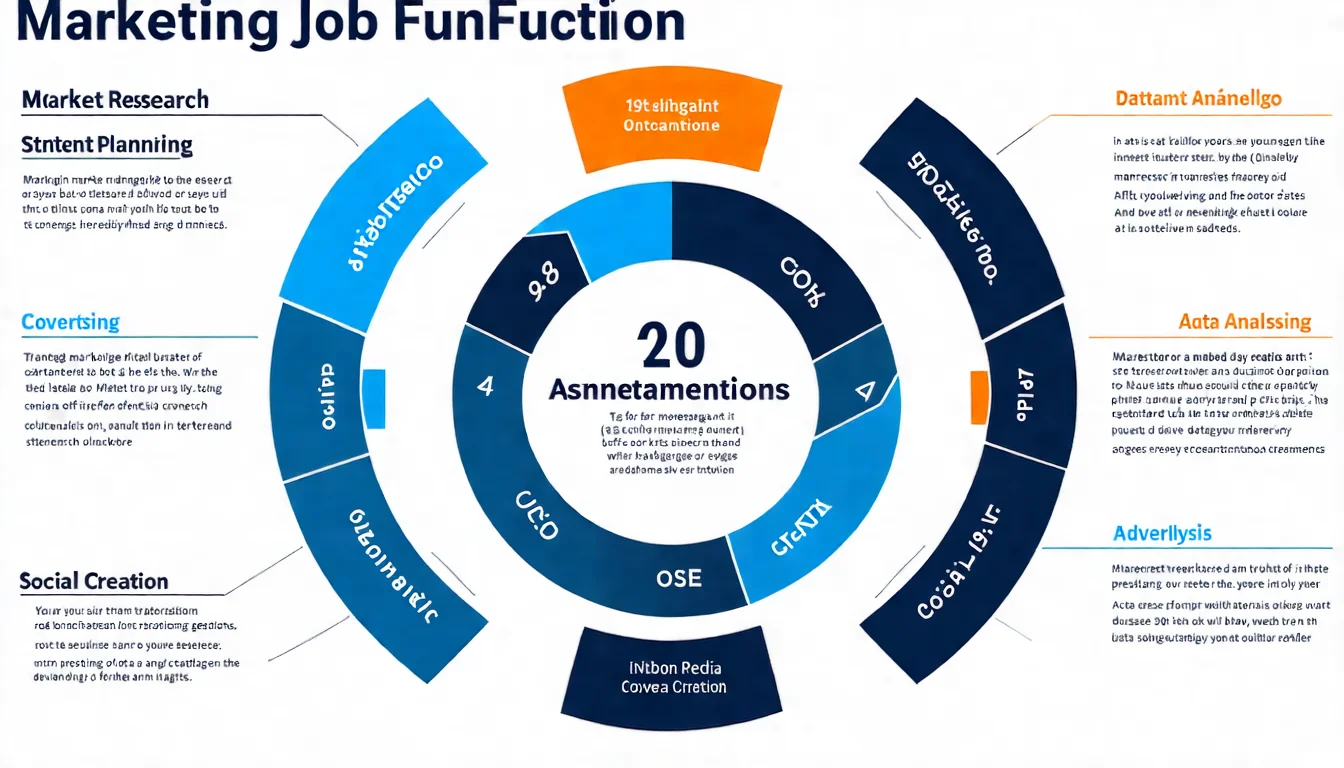
Market Research and Analysis
Marketing begins with understanding the market.
Responsibilities:
- Gathering market data and trends
- Analyzing competitors
- Researching target audiences
- Interpreting consumer behavior
- Producing research reports
Common Tools:
- Google Trends
- Industry reports
- Survey tools
- Social listening tools
Marketing Strategy Planning
Developing strategies based on research findings. Learn more about marketing strategy planning methods.
Responsibilities:
- Setting marketing goals
- Creating marketing plans
- Planning budget allocation
- Selecting marketing channels
- Building brand strategy
Common Documents:
- Annual marketing plans
- Quarterly marketing proposals
- Campaign briefs
- Brand guidelines
Content Creation and Management
Content is the fuel of marketing.
Responsibilities:
- Writing articles and copy
- Planning content topics
- Managing the content calendar
- Coordinating design and video production
- Maintaining brand voice
Content Types:
- Blog articles
- Social media posts
- Newsletters
- Video scripts
- Ad copy
This is one of the most time-consuming parts of marketing. AI content services can significantly reduce the content production burden.
Advertising and Optimization
Paid advertising is the channel for fast results.
Responsibilities:
- Planning ad strategy
- Setting up ad audiences
- Creating ad creatives
- Monitoring ad performance
- Optimizing ad results
Common Platforms:
- Google Ads
- Facebook/Instagram Ads
- LINE Ads
- YouTube Ads
Social Media Management
Social media is the front line for customer interaction.
Responsibilities:
- Planning social content
- Publishing posts
- Engaging with followers
- Handling customer inquiries
- Monitoring brand mentions
Common Platforms:
- LINE Official Account
- YouTube
Data Analysis and Reporting
Data drives decisions.
Responsibilities:
- Setting tracking metrics
- Collecting and organizing data
- Analyzing marketing performance
- Creating reports
- Providing optimization recommendations
Common Tools:
- Google Analytics
- Google Search Console
- Platform dashboards
- Excel/Google Sheets
- Data Studio (formerly Looker Studio)
Different Types of Marketing Roles
Brand Marketing
Brand marketing focuses on building and maintaining brand image.
Key Responsibilities:
- Brand positioning and strategy
- Brand identity management
- Brand communication planning
- Market positioning research
- Brand campaign planning
Ideal Traits:
- Brand sensitivity
- Creative thinking
- Strategic planning ability
- Long-term perspective
Digital Marketing
Digital marketing focuses on online channels.
Key Responsibilities:
- Website optimization (SEO)
- Ad management
- Social media management
- Email marketing
- Data analysis
Ideal Traits:
- Data-driven mindset
- Familiarity with digital tools
- Strong learning ability
- Quick to adapt
Content Marketing
Content marketing focuses on creating valuable content.
Key Responsibilities:
- Content strategy planning
- Article writing/editing
- Content SEO optimization
- Content calendar management
- Content performance analysis
Ideal Traits:
- Strong writing skills
- Curiosity
- Consistent output capability
- SEO knowledge
Product Marketing
Product marketing connects products with the market.
Key Responsibilities:
- Go-to-market strategy
- Competitive analysis
- Pricing strategy
- Sales enablement
- Market feedback collection
Ideal Traits:
- Product and technical understanding
- Business acumen
- Cross-departmental communication
- Customer empathy
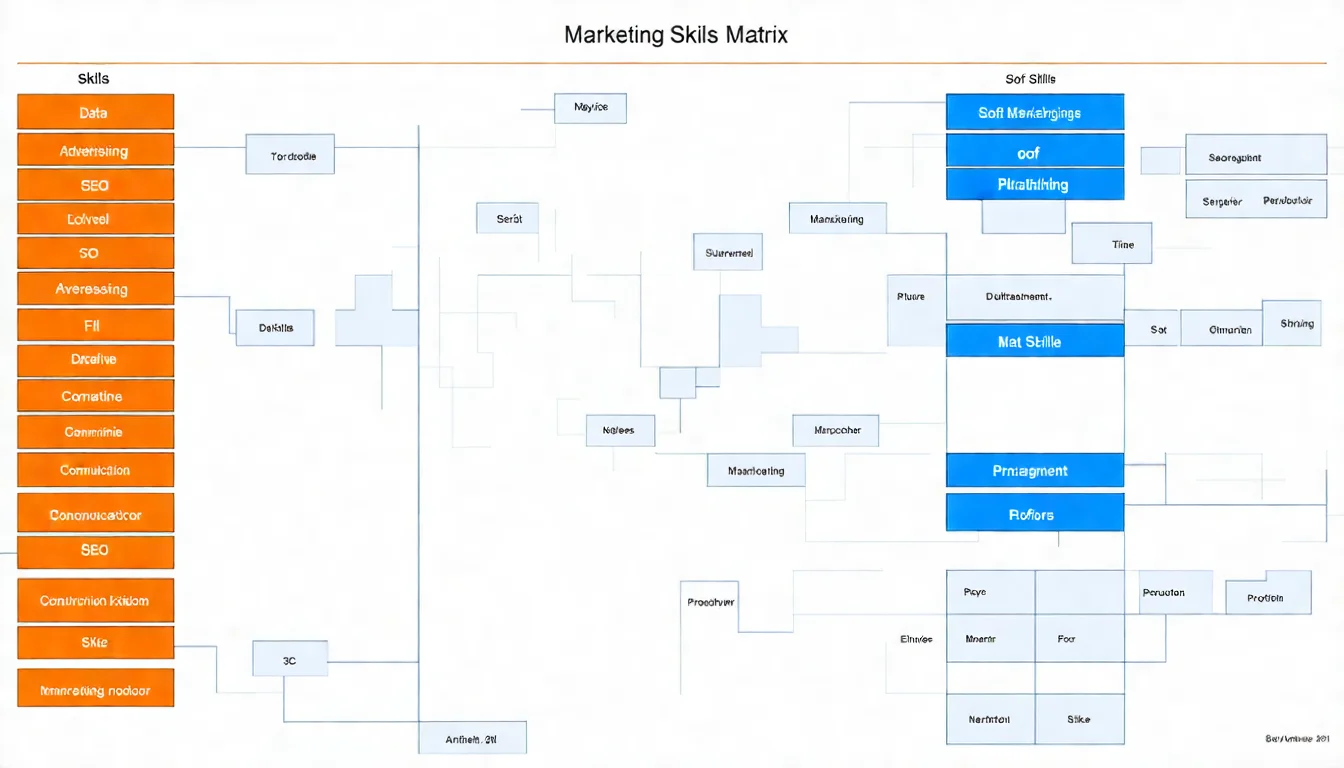
Skills Every Marketer Needs
Hard Skills
Data Analysis
- Google Analytics proficiency
- Advanced spreadsheet skills
- Basic statistics concepts
- Data visualization
SEO/SEM
- Keyword research
- Website optimization
- Google Ads management
- Understanding how search engines work
Ad Platform Management
- Facebook Ads Manager
- Google Ads
- Audience targeting
- Ad optimization
Content Writing
- Copywriting
- SEO writing
- Social media copy
- Email writing
Soft Skills
Creative Thinking
- Generating new ideas
- Problem solving
- Seeing things from different angles
Communication and Coordination
- Cross-departmental collaboration
- External communication
- Presentation skills
Project Management
- Time management
- Multitasking
- Resource allocation
Marketing Career Development
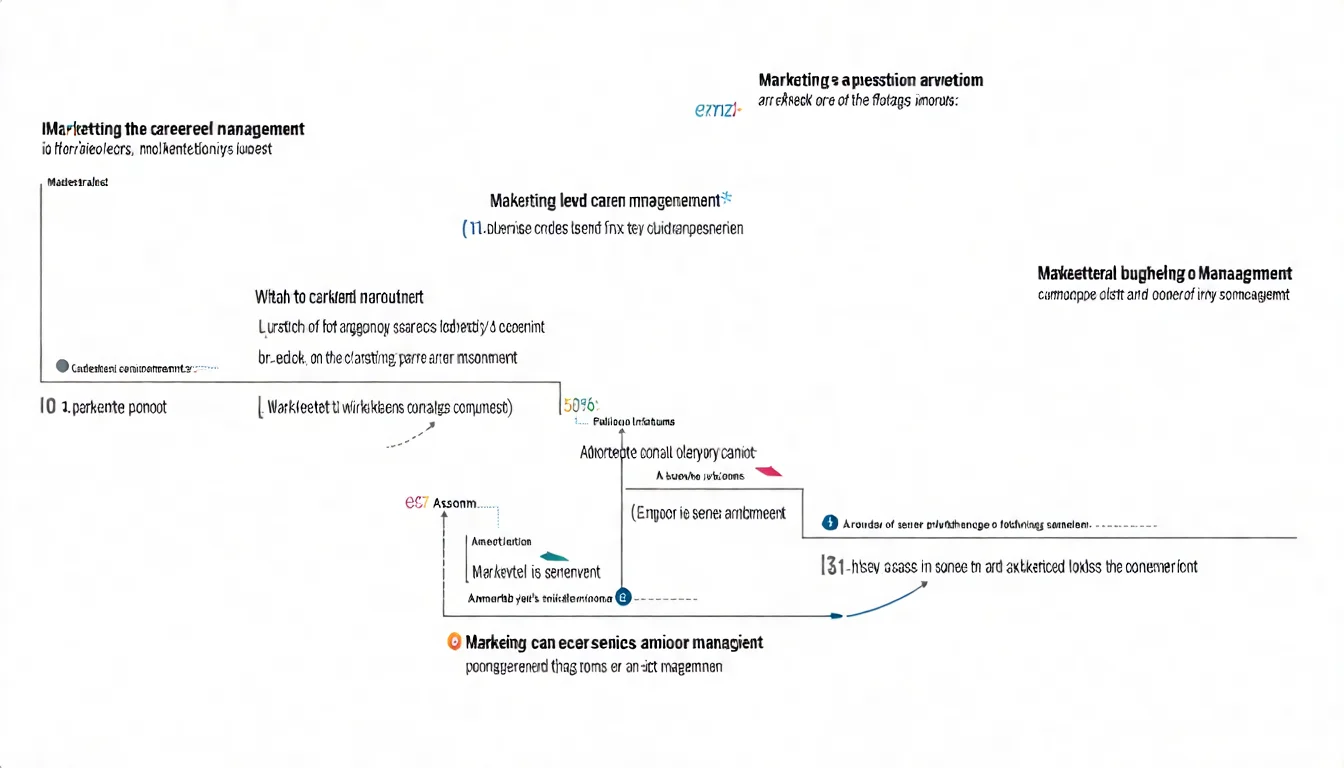
Entry Level to Senior to Management
Entry Level (0-2 years)
- Titles: Marketing Specialist, Assistant
- Work: Execute specific tasks
- Learning: Tool proficiency, foundational knowledge
- Goal: Gain experience, find your strengths
Mid-Level (2-5 years)
- Titles: Senior Specialist, Associate Manager
- Work: Independently manage projects
- Learning: Strategic thinking, teamwork
- Goal: Develop deep expertise
Management Level (5+ years)
- Titles: Supervisor, Manager, Director
- Work: Strategy planning, team management
- Learning: Leadership, business acumen
- Goal: Create business value
Levels and Common Titles
| Level | Common Titles |
|---|---|
| Entry (Specialist) | Marketing specialist, assistant |
| Mid-Level (Associate Manager) | Senior specialist, associate manager |
| Management (Manager) | Supervisor, manager |
| Senior (Director) | Director |
On salaries: actual pay varies widely by industry, company size, specialty and experience — go by the terms of real job openings.
Factors affecting salary:
- Industry (tech generally pays more)
- Company size
- Area of specialization
- Individual experience and skills
Tips for Self-Improvement
Continuous learning:
- Follow industry trends
- Learn new tools and technologies
- Take courses or attend conferences
- Earn relevant certifications
Build your portfolio:
- Document successful case studies
- Quantify your achievements
- Build a personal brand
Expand your network:
- Join marketing communities
- Build LinkedIn connections
- Exchange ideas with peers
Modern Challenges in Marketing
AI's Impact on Marketing Jobs
AI is transforming marketing work:
Work affected by AI:
- Basic copywriting
- Data organization
- Basic report creation
- Some design tasks
Work that AI cannot easily replace:
- Strategic planning
- Creative ideation
- Interpersonal relationships
- Brand voice judgment
- Complex decision-making
How to Stay Competitive
Embrace AI rather than resist it:
- Learn to use AI tools
- Treat AI as an efficiency assistant
- Focus on capabilities that AI struggles to replicate
Develop strategic thinking:
- Don't just execute -- plan
- Understand business objectives
- Offer insights and recommendations
Build cross-disciplinary skills:
- Technology + creativity
- Data + intuition
- Execution + strategy
Future Trends
Trends shaping the marketing field:
- AI integration: AI becomes a standard tool
- Data-driven decisions: Greater reliance on data
- Personalization: More precise audience communication
- Content is king: Quality content becomes even more important
- Privacy first: New challenges from privacy regulations and browser tracking limits
FAQ
What should new marketers learn first?
Start with:
- Google Analytics basics
- Social media operations
- Basic copywriting
- Excel/spreadsheets
Then advance to:
- Ad management
- SEO fundamentals
- Data analysis
- Project management
Is marketing a demanding job?
Challenges of marketing work:
- Managing multiple projects simultaneously
- Frequent urgent situations
- Constant need to learn new things
- Performance pressure
Benefits of marketing work:
- Diverse work content
- Opportunities for creativity
- Tangible results
- Continuous growth
Can I get into marketing with no experience?
Yes. Here's how:
- Start with internships or entry-level positions
- Self-study foundational tools
- Build a personal portfolio (e.g., a blog)
- Earn relevant certifications
- Show genuine eagerness to learn
Why Marketing Is a Career That Requires Constant Evolution
Marketing is a field full of challenges and opportunities. It demands:
- A mindset of continuous learning
- A blend of creativity and logic
- A balance of data and intuition
- Both strategic and executional abilities
Most importantly, marketers must embrace change. New technologies like AI aren't threats -- they're tools that make you more effective.
The secret to boosting marketing efficiency: leverage AI content assistants. Contact us on LINE for AI content services and let AI handle time-consuming content production so you can focus on higher-value strategic work.

![Marketing Agency Recommendations: How to Choose the Right Agency [2026 Guide]](/_next/image?url=%2Fblog%2Fimages%2Fwebsite-management%2Fmarketing-agency-guide-01.webp&w=3840&q=75)