"The website is live... now what?"
This is the most common question business owners face. They spend a significant budget building a website, only to find there's no traffic, no inquiries, and no orders. Where did things go wrong?
The answer: Building a website is just the beginning. Managing it is what matters.
Website management encompasses technical optimization, content strategy, and marketing promotion -- all requiring sustained effort to deliver results. Need content support for your website? Free consultation on LINE -- let AI help you produce quality content.
This guide covers the complete website management framework, from foundational concepts to actionable strategies, to help you build a truly effective website.
Getting Started with Website Management
What Is Website Management?
Website management refers to the ongoing work of maintaining, optimizing, updating content, and promoting a website after it goes live.
Think of your website as a store:
- Building the website is like constructing the storefront
- Managing the website is like opening for business every day -- merchandising, serving customers, and promoting
A website without management is like a store that never opens -- no matter how beautiful it looks, it's useless.
Core Elements of Website Management
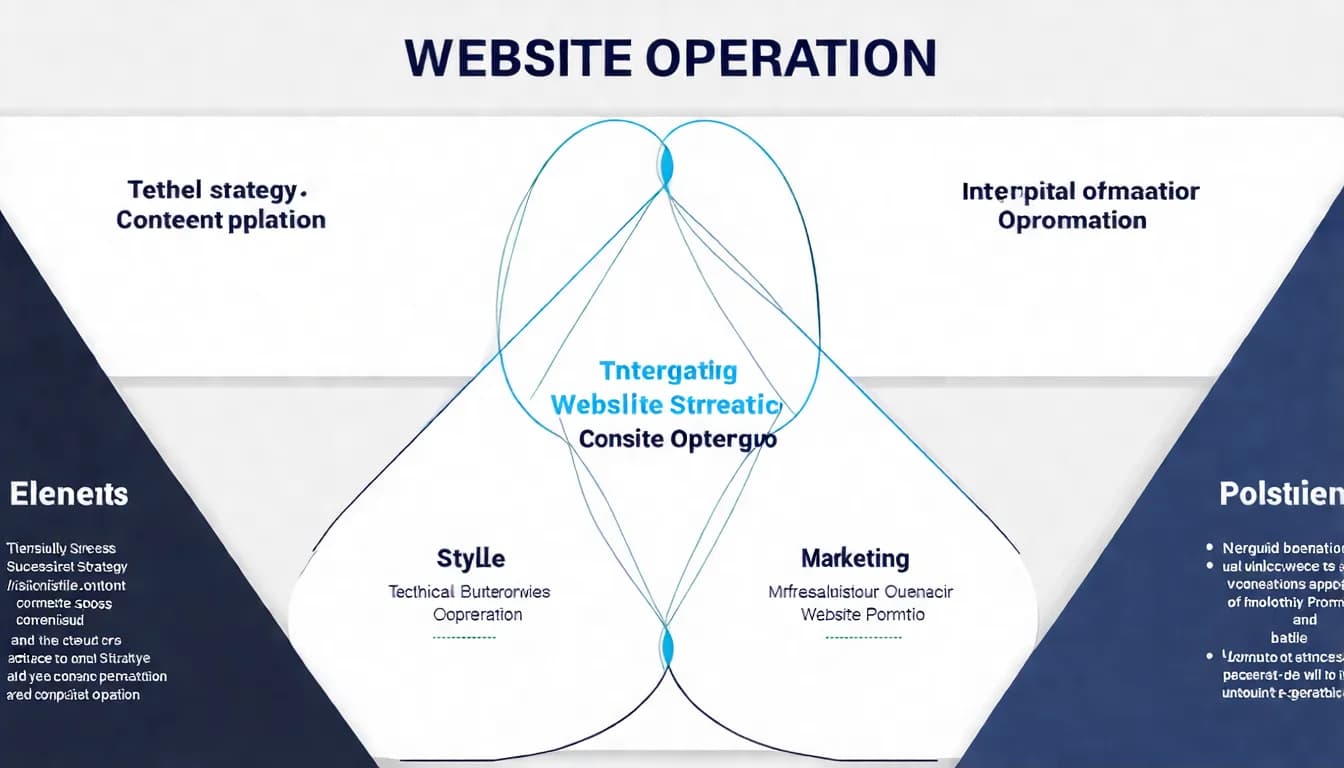
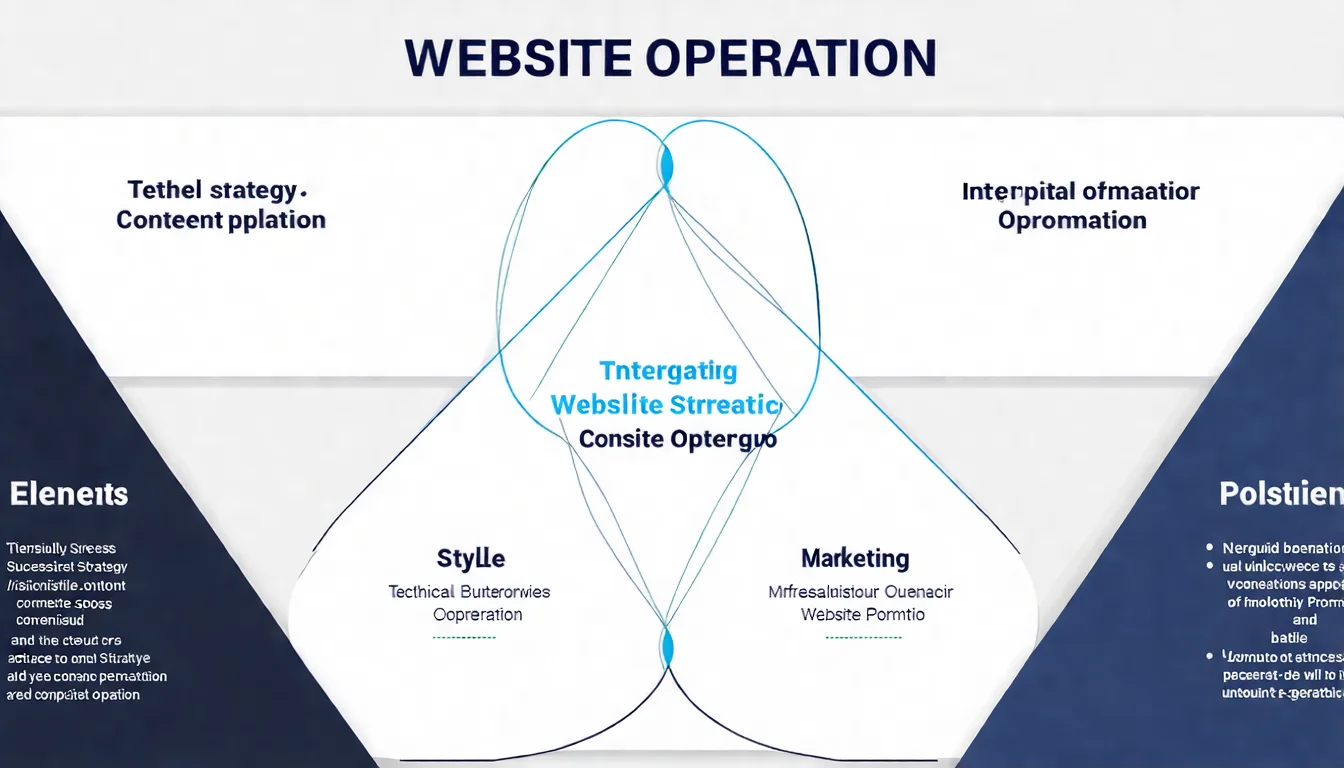
Successful website management integrates three key elements:
1. Technical
- Website speed and performance
- Mobile device compatibility
- Security and stability
- Technical SEO foundation
2. Content
- Consistently updated quality content
- Information that meets user needs
- Strategic content planning
- Diverse content formats
3. Marketing
- Search engine optimization (SEO)
- Social media promotion
- Paid advertising
- Email marketing
These three elements are inseparable -- focusing on only one makes success unlikely.
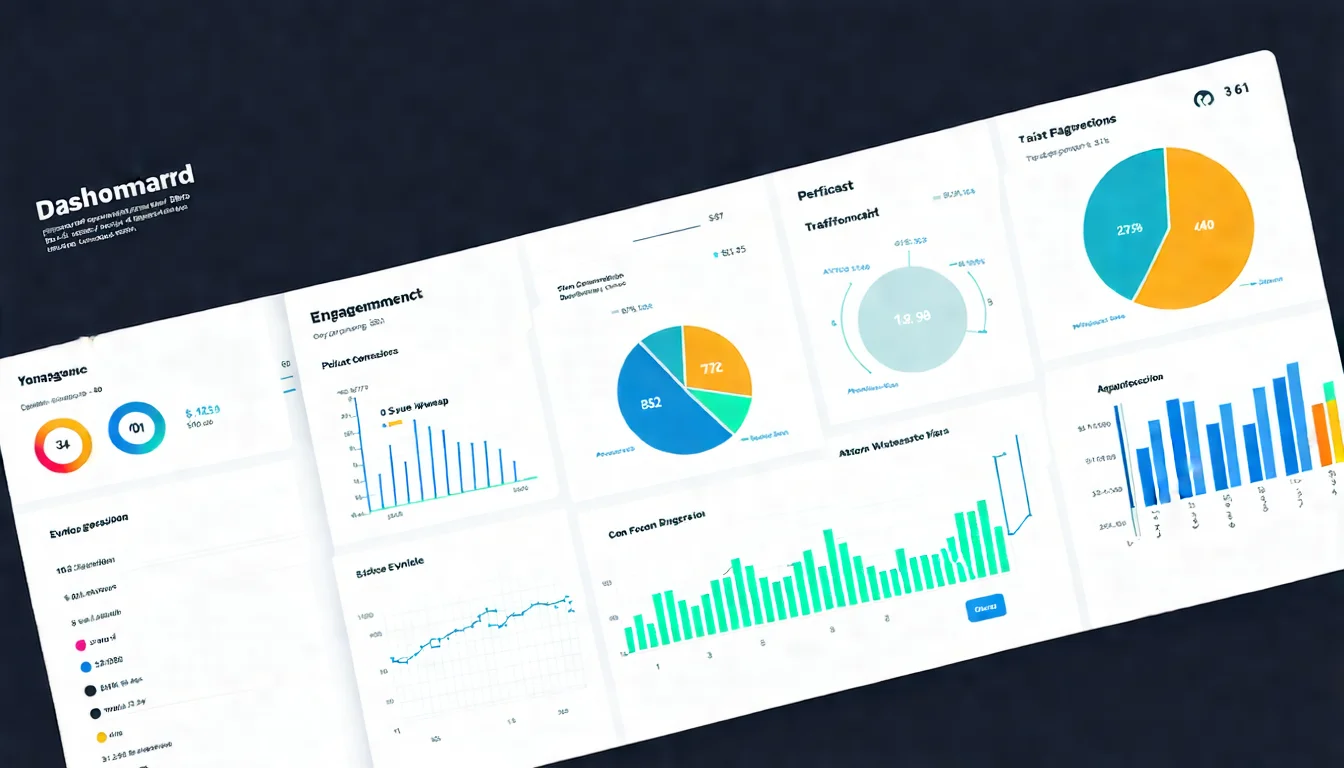
Key Metrics for a Successful Website
How do you know if your website is performing well? Track these metrics:
Traffic Metrics
- Total visitors: How many people visit your website
- Organic search traffic: Visitors from search engines
- Traffic growth rate: Whether visitor numbers are consistently growing
Engagement Metrics
- Bounce rate: Percentage of sessions that weren't engaged (GA4 definition; equals 1 minus engagement rate)
- Average session duration: How long visitors stay on your site
- Pages per session: How many pages visitors view per visit
Conversion Metrics
- Conversion rate: Percentage of visitors who complete a target action
- Inquiries/orders: Actual business results generated
- ROI: Comparison of investment to output
Website Optimization Fundamentals
Why You Need Website Optimization
Website optimization is the core work of improving website performance. Done well, it can:
- Improve search rankings: Help more people find you
- Increase user satisfaction: Visitors stay longer
- Boost conversion rates: Turn visitors into customers
- Reduce advertising costs: More organic traffic means less dependence on paid ads
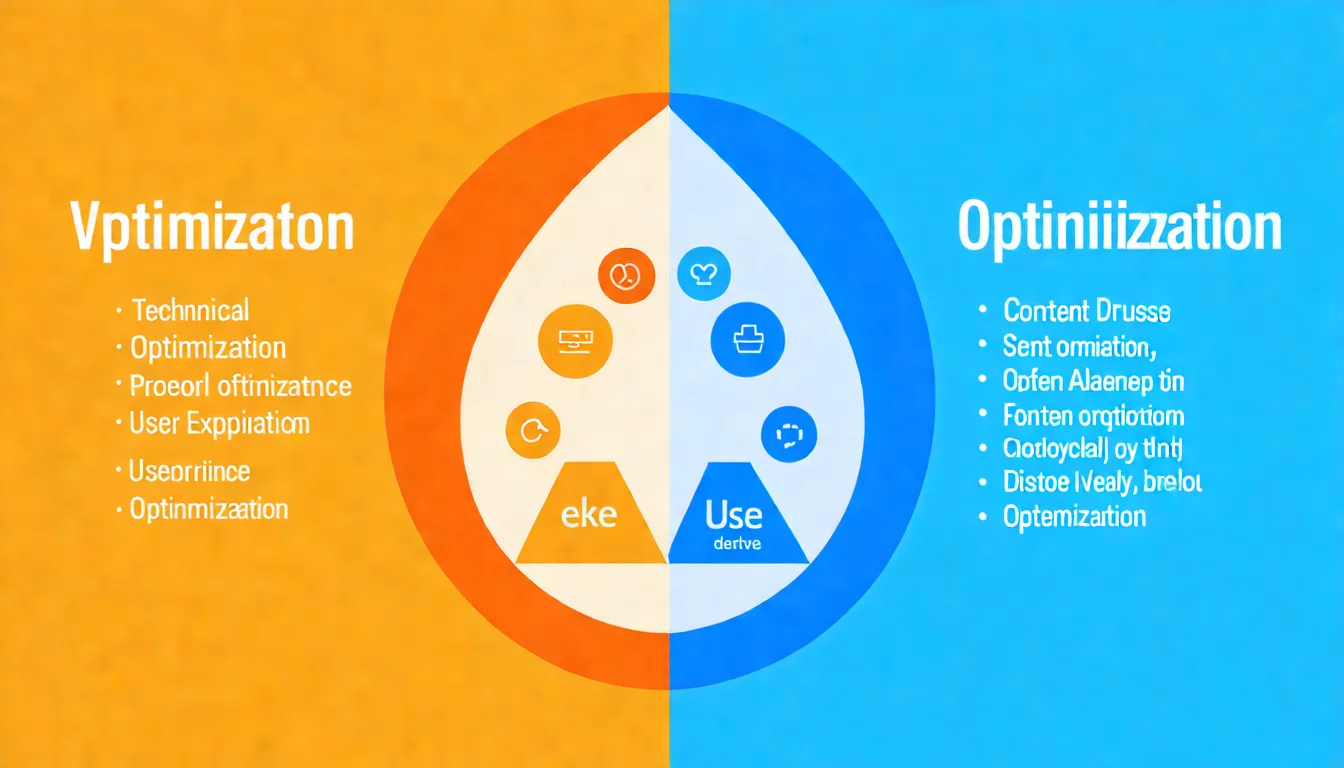
Three Dimensions of Website Optimization
Technical Optimization
The technical foundation of your website includes:
- Site speed: The faster pages load, the better
- Mobile compatibility: Must display properly on phones
- HTTPS security: Ensure secure data transmission
- Code quality: Clean, efficient code
Content Optimization
Content is what attracts visitors:
- Content quality: Valuable, problem-solving content
- Keyword optimization: Help search engines understand your content
- Content structure: Readable, logical organization
- Multimedia use: Appropriate use of images and videos
User Experience Optimization
A good experience keeps visitors engaged:
- Clear navigation: Visitors can easily find what they want
- Layout design: Visually comfortable with clear focal points
- Interaction design: Easy-to-use buttons and forms
- Accessibility: Usable by all types of users
Keyword Optimization Strategy
Keywords are the bridge connecting user needs to your content.
Keyword optimization steps:
- Research keywords: Find out what your target audience is searching for
- Assign keywords: Target 1-2 primary keywords per page
- Optimize pages: Use keywords naturally in titles, content, and meta tags
- Track rankings: Monitor keyword ranking changes
Where to optimize keywords:
- Page title (Title Tag)
- URL
- H1 heading
- First 100 words of content
- Image Alt tags
- Meta Description
Website Content Strategy
The Age of Content Is King
With search engines becoming smarter every day, content quality is the decisive ranking factor.
Great content has these characteristics:
- Solves problems: Answers users' questions
- Has depth: More comprehensive than competitors
- Is original: Not copied or cobbled together
- Stays current: Content is regularly updated
Content production is the most time-consuming part of website management. Let AI help you continuously produce SEO-optimized articles, saving you time to focus on other important work.
Building a Content Calendar
Planned content production leads to steady accumulation.
A content calendar should include:
- Publication date
- Article topic
- Target keywords
- Content type
- Responsible person
- Publication status
Recommended publishing frequency:
- Small websites: 1-2 articles per week
- Medium websites: 3-5 articles per week
- Large websites: 1+ articles per day
The key is consistency, not one-time mass publishing.
Content Type Planning
Diverse content types attract visitors with different needs:
| Content Type | Purpose | Suitable Stage |
|---|---|---|
| Tutorial articles | Build expertise | Awareness stage |
| Comparison reviews | Aid decision-making | Consideration stage |
| Case studies | Build trust | Decision stage |
| FAQ | Remove doubts | Decision stage |
| Industry trends | Demonstrate expertise | Awareness stage |
| Tool tutorials | Provide value | Consideration stage |
Building a Topical Authority Site
Topical authority is an important concept in modern SEO.
What is a topical authority site? Rather than writing about everything, focus on a single field and build the image of being "the authority on this topic."
Steps to build topical authority:
- Define your core topic
- List all subtopics under that theme
- Write an in-depth article for each subtopic
- Connect these articles with internal links
- Continuously expand and update
For more on content management system choices that can help you manage website content more effectively.
Website Marketing Strategy
What Is Website Marketing?
The essence of marketing is: getting the right message in front of the right person at the right time.
Website marketing uses various channels to guide potential customers to your website and motivate them to take action.
What Marketing Strategies Are Available?
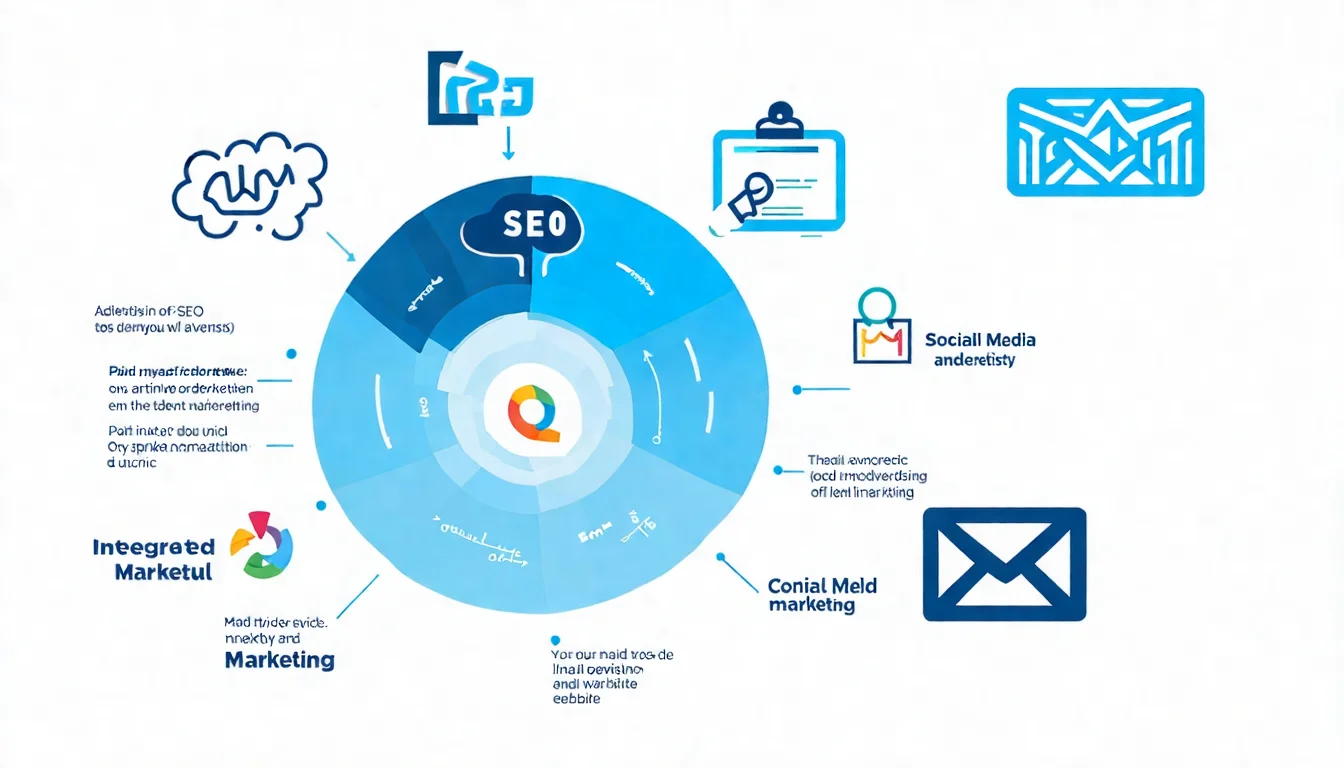
A complete marketing strategy should integrate multiple channels:
Search Engine Optimization (SEO)
- Pros: Long-term stability, lower cost
- Cons: Takes time to accumulate
- Best for: Any website committed to long-term growth
Content Marketing
- Pros: Builds expertise, accumulates assets
- Cons: Requires ongoing investment
- Best for: B2B, knowledge-based industries
Social Media Marketing
- Pros: Real-time interaction, brand building
- Cons: Algorithms change frequently, fierce competition
- Best for: B2C, lifestyle products
Paid Advertising (PPC)
- Pros: Immediate results, controllable
- Cons: No effect once spending stops
- Best for: When fast results are needed
Email Marketing
- Pros: Low cost, high conversion rate
- Cons: Requires building a subscriber list first
- Best for: Businesses with an established customer base
Applying the 4P / 7P Marketing Framework
The traditional 4P marketing framework still applies to website marketing:
4P
- Product: What value does your website provide?
- Price: What's your pricing strategy?
- Place: Where do customers find you?
- Promotion: How do you spread the word?
Extended 7P (for service industries)
- People: Who delivers the service?
- Process: What does the service process look like?
- Physical Evidence: What visible proof exists?
Outsourcing Decisions for Website Management
When Should You Outsource?
Not all work needs to be done in-house. Consider outsourcing when:
- Lacking expertise: Technical work like software development
- Short on time: Core business keeps you too busy
- Need to scale: High content production volume
- Seeking professional quality: Design, video production
In-House vs. Outsourcing
| Comparison | In-House | Outsourcing |
|---|---|---|
| Cost | Lower (but time-intensive) | Higher (but saves time) |
| Quality control | Full control | Requires communication |
| Speed | May be slower | Usually faster |
| Expertise | Depends on capability | Usually more specialized |
| Knowledge retention | Builds over time | Harder to retain |
How to Find Good Freelancers
- Define your needs: Clarify what you want first
- Review portfolios: Does past work meet your expectations?
- Test communication: Is communication smooth?
- Start small: Run a small test project first
- Set evaluation criteria: Define what "good work" means
Want professional content outsourcing? Learn how AI content services work and experience a more efficient content production process.
Outsourcing Platform Recommendations
Find freelancers through various outsourcing platforms:
Taiwan Platforms
- Tasker
- Pro360
International Platforms
- Upwork
- Fiverr
- Freelancer
When choosing a platform, consider: project type, budget range, and language requirements.
For more marketing service options, see our marketing agency recommendations.
Recommended Website Management Tools
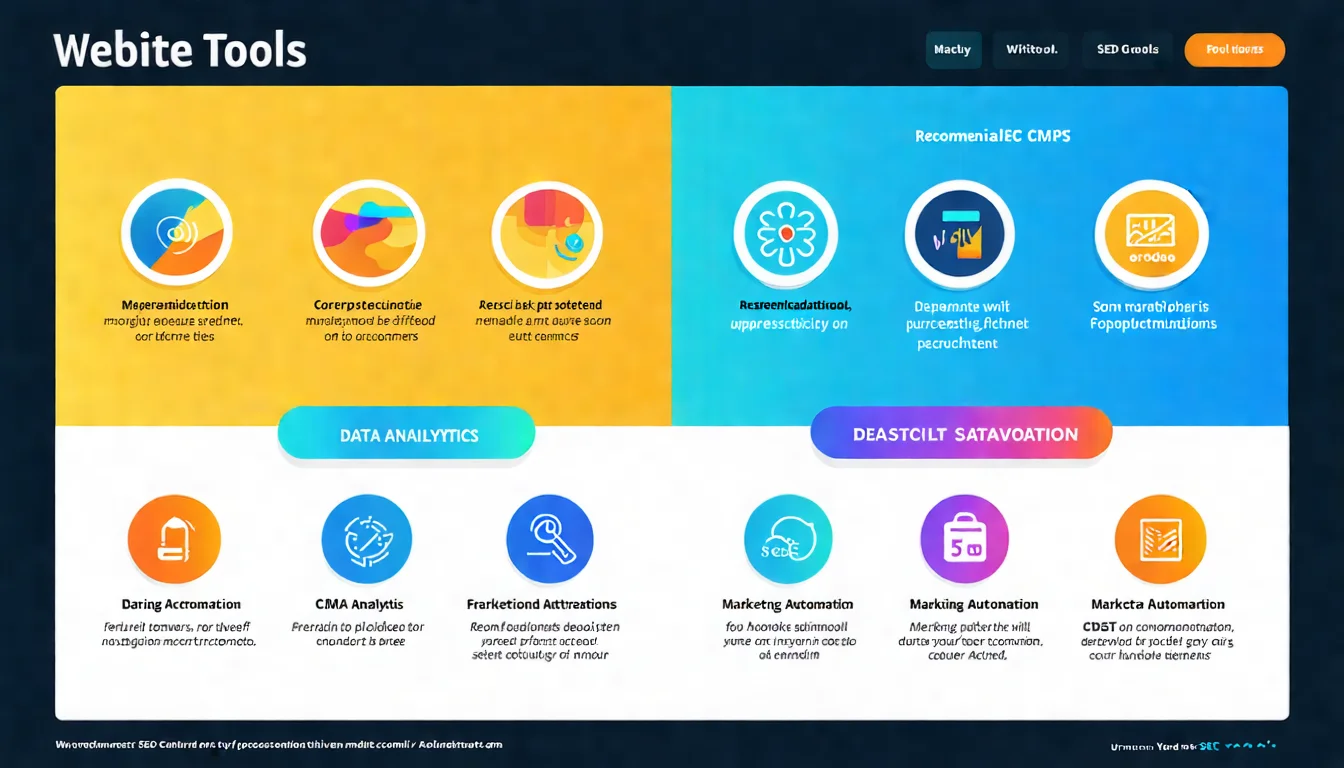
Content Management Systems (CMS)
A CMS is the foundational tool for managing website content. For a detailed comparison, see our CMS Complete Guide.
Popular choices:
- WordPress: Most flexible, most plugins
- Wix: Easiest to use, no coding required
- Shopify: Built for e-commerce, complete features
- Squarespace: Beautiful design, great for portfolios
Analytics Tools
Essential tools for understanding website performance:
- Google Analytics 4: Free, comprehensive traffic analysis
- Google Search Console: Search data, technical issue diagnosis
- Hotjar: User behavior recordings, heatmaps
SEO Tools
Tools to help improve search rankings:
- Ahrefs: Backlink analysis, competitive research
- SEMrush: Keyword research, rank tracking
- Screaming Frog: Technical website auditing
- Ubersuggest: Keyword tool with a limited free account; full features require a paid subscription
Marketing Automation Tools
Tools to boost marketing efficiency:
- HubSpot: CRM + marketing automation
- Mailchimp: Email marketing
- Buffer / Hootsuite: Social media management
- Zapier: Tool integration automation
Website Management FAQ
How much time does website management require?
It depends on your goals and resources:
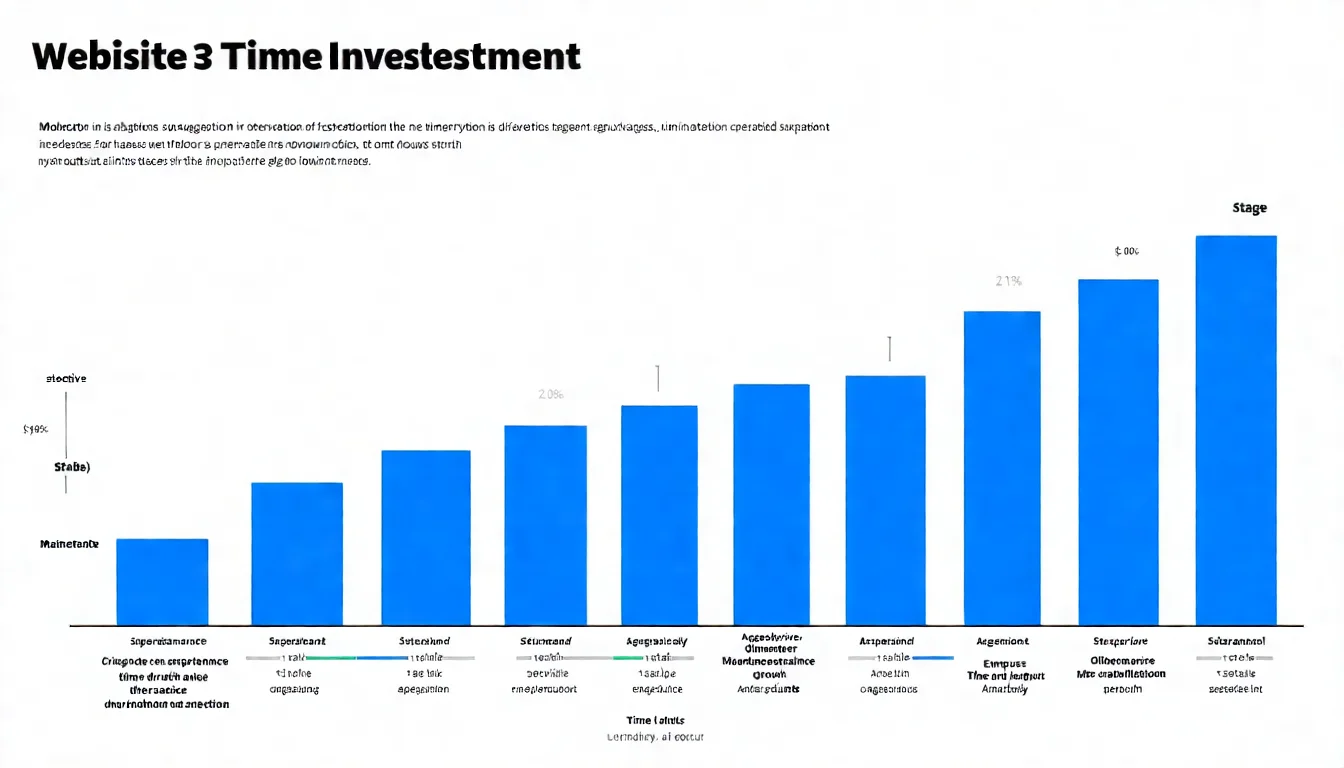
- Minimum maintenance: 4-8 hours/month (update content, check for issues)
- Steady growth: 8-15 hours/week (ongoing content production, optimization)
- Aggressive expansion: 20+ hours/week (multi-channel marketing, rapid scaling)
The key is consistency. Spending 30 minutes every day is more effective than one full day per month.
What should I do if my website has no traffic?
Low traffic usually has a few root causes:
- Not enough content: Keep adding valuable content
- Poor SEO: Strengthen keyword optimization
- Too much competition: Target more specific long-tail keywords
- Not enough time: In our experience, SEO usually starts to show clear progress within 3-6 months
- Insufficient promotion: Leverage social media and other channels
Should I run ads first or do SEO?
We recommend doing both simultaneously, but with different ratios:
- Early stage: Ads 70% + SEO 30% (get traffic first, build SEO in parallel)
- Mid stage: Ads 50% + SEO 50% (SEO starts showing results)
- Mature stage: Ads 30% + SEO 70% (SEO becomes the primary driver)
In the long run, SEO typically delivers better cost-effectiveness than advertising.
How is marketing outsourcing billed?
Billing models vary by service. Common ones:
| Service | Common Billing Model |
|---|---|
| SEO optimization | Monthly retainer |
| Content writing | Per article |
| Social media management | Monthly retainer |
| Ad management | Service fee as a share of ad spend |
| Integrated marketing | Monthly retainer or project-based |
On pricing: real quotes vary widely with scope, industry, deliverables and negotiation — treat an actual quote as authoritative.
Keep in mind: cheap doesn't always mean good, but expensive doesn't guarantee effectiveness either. Focus on results.
How often should website content be updated?
Recommended update frequency:
- New articles: At least 1 per week
- Old article updates: Review quarterly, update outdated information
- Full website review: Once a year
Consistent updates are one of the keys to SEO success.
Why Website Management Is a Long-Term Investment
Website management is not a one-time task -- it's an ongoing process.
Successful website management requires:
- Technical foundation: Ensure the site is fast, secure, and user-friendly
- Quality content: Continuously produce valuable content
- Marketing promotion: Help your target audience find you
- Data-driven approach: Continuously optimize based on data
- Long-term commitment: Give time for results to compound
Remember, every article and every optimization effort is building your digital assets.
The core of website management is quality content. Contact us on LINE for AI content solutions and let our professional team keep producing SEO-optimized articles to make your website management efforts truly pay off.
Further Reading
- Website Optimization Tutorial: Boost Your Site Performance and Search Rankings
- Outsourcing Platform Recommendations: The Most Complete 2026 Comparison
- What Are the Different Marketing Strategies? A Complete Marketing Strategy Planning Guide
- Marketing Agency Recommendations: How to Choose the Right Agency
- Marketing Job Responsibilities: Skills and Duties of Marketing Professionals
- Content Management System (CMS) Complete Guide

![Marketing Agency Recommendations: How to Choose the Right Agency [2026 Guide]](/_next/image?url=%2Fblog%2Fimages%2Fwebsite-management%2Fmarketing-agency-guide-01.webp&w=3840&q=75)
![Marketing Job Responsibilities: Skills and Duties of Marketing Professionals [2026 Complete Guide]](/_next/image?url=%2Fblog%2Fimages%2Fwebsite-management%2Fmarketing-job-guide-01.webp&w=3840&q=75)