![What Is B2C? SEO and Marketing Strategies for the Consumer Market [2026 Complete Guide]](/_next/image?url=%2Fblog%2Fimages%2Findustry-seo%2Fwhat-is-b2c-01.webp&w=3840&q=75)
B2C is the most common business model -- buying a coffee at a convenience store, shopping online, dining at a restaurant -- these are all B2C transactions.
If your company sells products or services directly to individual consumers, you're running a B2C business.
This article explains the B2C concept and how B2C companies can use SEO to attract more consumers.
Want to attract more consumers? Chat with us on LINE about content strategy.
👉 Free LINE Consultation: @006ljkda
B2C Fundamentals
What Is B2C?
B2C = Business to Consumer
It means: your company sells products or services directly to individual consumers.
The people buying from you are individuals, not companies.
Examples:
- You run a clothing store and customers buy outfits → B2C
- You run an ecommerce shop and consumers purchase online → B2C
- You run a restaurant and customers come to dine → B2C
- You offer beauty services and clients come for treatments → B2C
How B2C Works
Characteristics of B2C transactions:
1. The buyer is an individual
Consumers purchase for themselves or their families.
2. Decisions are relatively simple
No layers of approval needed -- they decide on their own.
3. Purchase cycles are short
They may see something they like and buy it within minutes.
4. Both emotional and rational factors matter
Beyond functionality, brand image, aesthetics, and feelings all influence the decision.
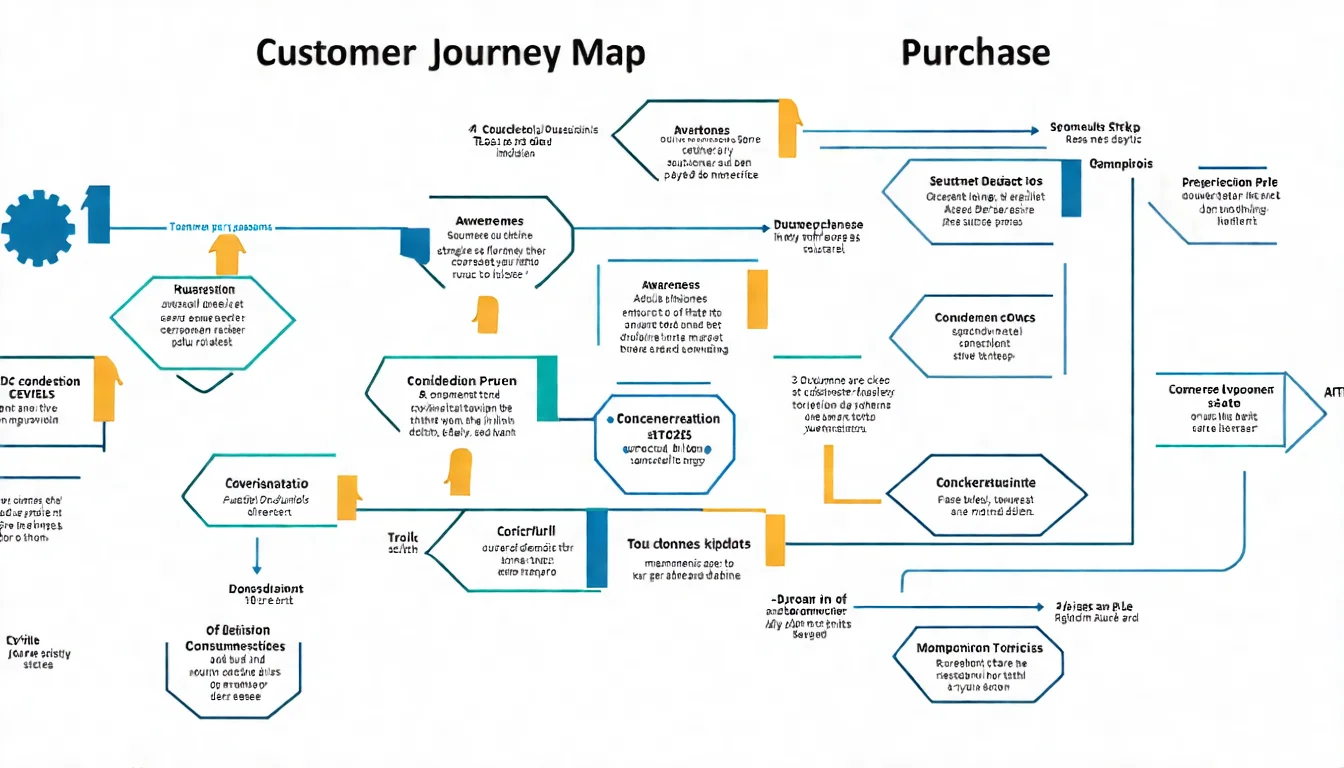
The B2C purchase flow:
Discover need → Search options → Compare reviews → Purchase decision → Use experience
What B2C Platforms Exist?
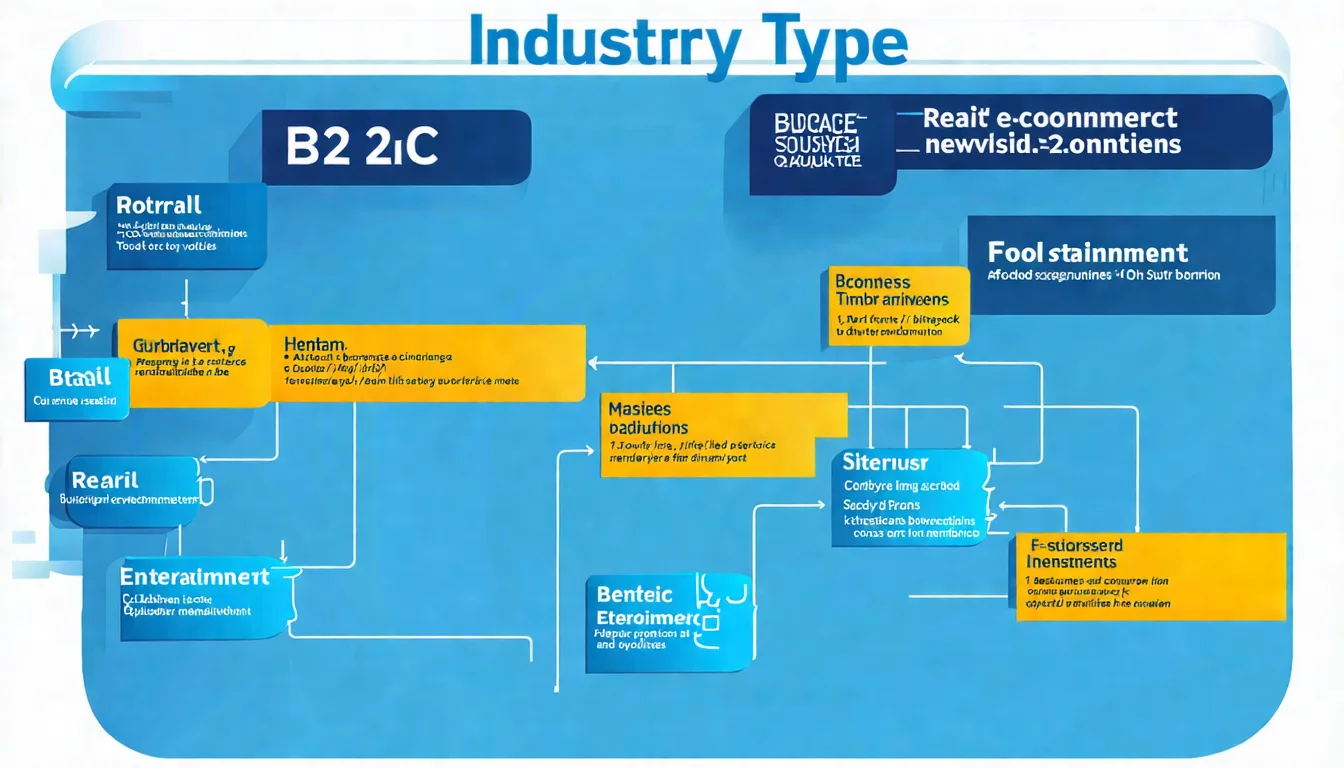
Common B2C sales channels:
| Type | Description | Examples |
|---|---|---|
| Physical Stores | Traditional brick-and-mortar retail | Department stores, convenience stores, specialty shops |
| Ecommerce Platforms | Third-party online marketplaces | Shopee, Amazon, eBay |
| Brand Websites | Brand's own online store | Nike.com, Apple.com |
| Social Commerce | Selling through social media | Facebook / Instagram Shops (checkout redirects to the brand's own site) |
| App Sales | Mobile applications | Uber Eats, foodpanda |
Note: Meta has moved Facebook / Instagram Shops away from in-app checkout toward checkout on the brand's own website, so social commerce today is mostly "discovery on social, transaction on your site" rather than completing the whole purchase inside the social app. foodpanda Taiwan still operates independently under its own brand, but its pending acquisition remains under review by Taiwan's Fair Trade Commission (extended to 2026-10-27), so brand ownership may change.
The evolution of B2C models:
Traditional retail → Ecommerce platforms → Brand websites → Social commerce → Omnichannel integration
B2C Market Characteristics
Consumer Behavior Analysis
Traits of modern consumers:
1. Information Transparency
Consumers search online, read reviews, and compare options before buying.
2. Abundance of Choices
Competition is fierce, and consumers have many alternatives.
3. Short Attention Spans
If you can't capture attention quickly, consumers move on.
4. Experience Matters
It's not just about the product -- the buying experience matters too.
Consumer search behavior:
| Stage | Search Type | Example |
|---|---|---|
| Awareness | Informational | "How to choose a phone" |
| Consideration | Comparative | "iPhone vs Samsung" |
| Decision | Transactional | "iPhone price" |
| Post-Purchase | Tutorial | "iPhone tips and tricks" |
The Purchase Decision Process
Factors influencing B2C purchase decisions:
Rational factors:
- Price
- Features and specifications
- Quality assurance
- After-sales service
Emotional factors:
- Brand image
- Design aesthetics
- Social proof and word-of-mouth
- Emotional connection
Characteristics of B2C decisions:
- Impulse purchases happen frequently
- Influenced by friends and influencers
- Reviews and word-of-mouth are critical
- Visual appeal is key
The Role of Emotions
B2C purchases often involve emotions:
- Wanting (not just needing)
- Brand identification
- Lifestyle expression
- Social needs
What does this mean?
B2C marketing can't focus solely on features -- it must also build an emotional connection.
B2C vs B2B: Key Differences
Target Audience
| Aspect | B2C | B2B |
|---|---|---|
| Customer | Individual consumers | Businesses, companies |
| Decision Maker | Usually one person | Multiple stakeholders |
| Purchase Motivation | Personal needs | Business needs |
| Volume | Large customer base | Fewer customers |
Marketing Messages
B2C marketing message traits:
- Simple and easy to understand
- Emotionally appealing
- Emphasize benefits over specs
- Visually driven
B2B marketing message traits:
- Professional and detailed
- Rationally appealing
- Emphasize ROI and outcomes
- Data-driven
Side-by-side comparison:
Same product, different appeals:
- B2C: "Make your mornings better"
- B2B: "Increase employee productivity by 20%"
Sales Channels
B2C channels:
- Ecommerce websites
- Physical stores
- Social media
- Mobile apps
B2B channels:
- Sales visits
- Trade shows
- Professional websites
Customer Relationships
B2C customer relationships:
- May be one-time transactions
- Loyalty built through products and experiences
- Maintained through membership programs and discounts
- Brand community cultivation
B2B customer relationships:
- Tend toward long-term partnerships
- Maintained through trust and service
- Customized solutions
- Dedicated account managers
To learn more about B2B differences, see What Is B2B.
B2C SEO Strategy
B2C Keyword Research
Characteristics of B2C keywords:
1. More Conversational
Consumers search using everyday language, not technical jargon.
2. Clear Purchase Intent
Keywords like "Product X price" or "where to buy."
3. Location-Based
"XX near me," "best XX in Taipei."
4. Question Format
"Is XX any good?" "Would you recommend XX?"
Common B2C keyword types:
| Type | Example |
|---|---|
| Product Search | "Best running shoes" |
| Brand Search | "Nike official website" |
| Comparison Search | "Brand A vs Brand B" |
| Review Search | "Product X reviews" |
| Location Search | "Taipei coffee shops" |
| Price Search | "Product X price" |
B2C Content Marketing
Content types that work for B2C:
1. Product Reviews
- Unboxing articles
- Hands-on experience
- Pros and cons analysis
2. Buying Guides
- "How to choose..."
- "Beginner's guide"
- "What to look for when shopping"
3. Comparison Articles
- A vs B comparisons
- Brand rankings
- Top lists
4. Tutorial Content
- How-to guides
- Styling suggestions
- Common questions answered
5. Lifestyle Content
- Lifestyle articles
- Inspiration and trends
- Stories and experiences
Integrating Social Media and SEO
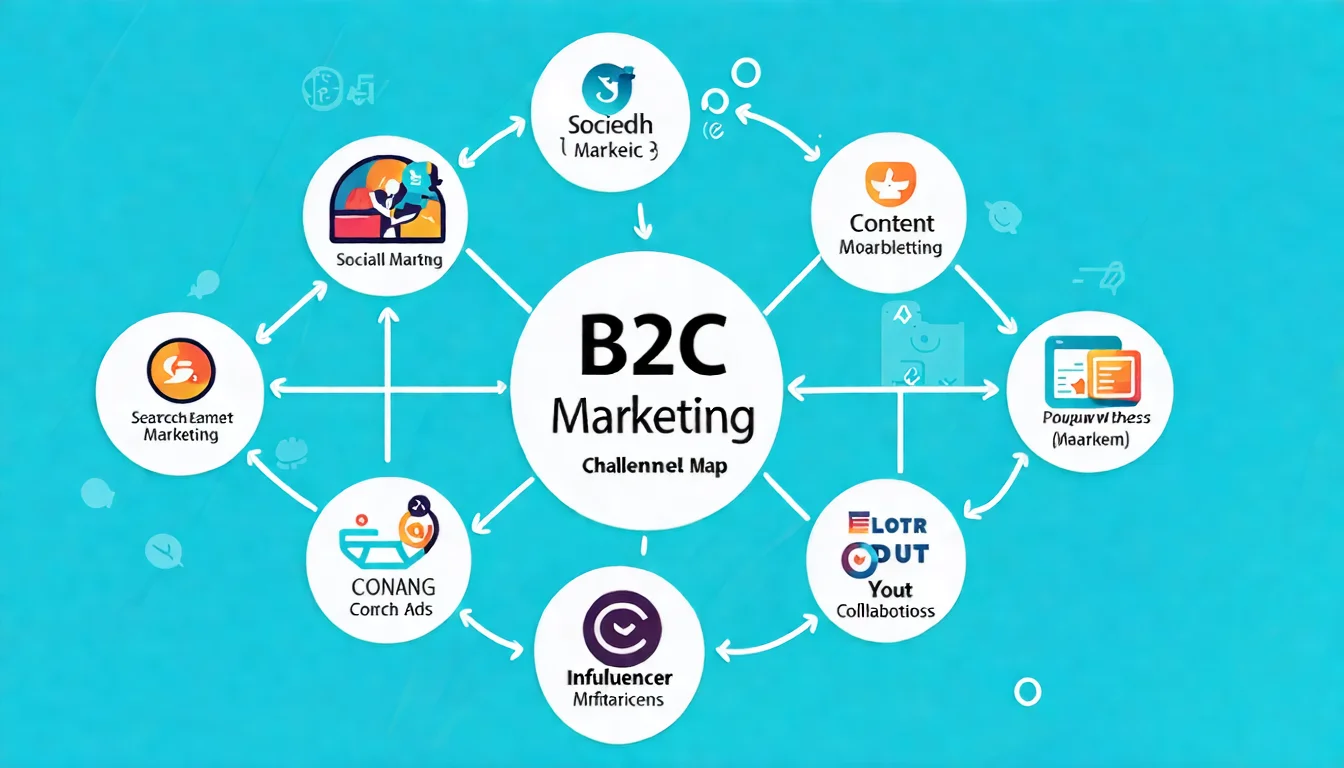
The value of social media for B2C:
Social media is critical for B2C. While social signals don't directly affect SEO, they provide indirect benefits.
How social media supports SEO:
- Increased exposure: Content gets shared, reaching more people
- Traffic generation: Social channels drive traffic to your website
- Brand building: Higher brand awareness leads to more branded searches
- Reputation building: Positive engagement builds trust
Integration strategy:
- Share website content on social platforms
- Turn trending social topics into SEO content
- User-generated content (UGC) enriches your website
Consumers need engaging content. Let AI help you produce SEO-optimized articles.
B2C Website Optimization Priorities
User Experience Optimization
Why UX matters for B2C websites:
Consumers have little patience. If the website experience is poor, they'll leave immediately.
Optimization priorities:
1. Intuitive Navigation
- Consumers can quickly find what they want
- Clear categories
- Effective search functionality
2. Clear CTAs
- "Add to Cart" and "Buy Now" buttons are prominent
- Next steps are obvious
3. Trust Elements
- Security badges
- Payment guarantees
- Return and exchange policies
4. Social Proof
- Ratings and reviews
- Best-seller labels
- User testimonials
Mobile-First Approach
Why is mobile so important?
Mobile devices already account for more than half of global web traffic (StatCounter, 2026-06). For B2C, mobile experience is even more critical.
Mobile optimization priorities:
- Responsive design: Automatically adapts to different screens
- Touch-friendly: Buttons large enough, adequate spacing
- Fast loading: Mobile networks can be slower
- Simplified flows: Mobile operations should be easy
Conversion Rate Optimization
B2C website conversions:
- Purchase products
- Sign up for membership
- Subscribe to newsletter
- Add to cart
Ways to improve conversion rates:
1. Reduce Friction
- Simplify the checkout process
- Offer multiple payment methods
- Allow guest checkout
2. Increase Motivation
- Limited-time offers
- Free shipping thresholds
- Member discounts
3. Build Trust
- Clear return and exchange policies
- Authentic reviews
- Secure payment processing
B2C Success Story Analysis
Ecommerce Brand Case Study
Background:
A startup skincare brand with no physical stores, selling entirely through online channels.
Challenges:
- Low brand awareness
- Consumers didn't recognize the brand
- Rising advertising costs
SEO Strategy:
1. Content Development
- Published extensive skincare knowledge articles
- Created product ingredient breakdowns
- Developed how-to content
2. Keyword Targeting
- Targeted keywords like "XX skin care routine" and "XX ingredient benefits"
- Long-tail keyword strategy
3. Social Integration
- Shared blog articles across social channels
- Collected user testimonials
Results:
- Organic traffic grew substantially
- SEO became the primary traffic source
- Customer acquisition cost decreased
Service Brand Case Study
Background:
A chain of hair salons wanting to attract more new clients online.
Strategy:
1. Local SEO
- Optimized Google Business Profile
- Created individual pages for each location
- Local keyword optimization
2. Content Strategy
- Hair trend articles
- Styling tutorials
- FAQ content
3. Review Management
- Proactively invited customers to leave reviews
- Promptly responded to all reviews
Results:
- Local search rankings improved
- Online bookings increased
- New customer ratio grew
Why B2C Marketing Needs Appeal and Speed
The B2C market is fiercely competitive. Consumers have plenty of choices and short attention spans.
Key takeaways from this article:
- B2C = Business to Consumer: Selling directly to individuals
- Fast decisions: Consumers may decide very quickly
- Emotion + logic: Beyond features, emotional connection matters
- Content must be engaging: Capture attention quickly
- Mobile experience: Smartphones are the primary device
Advice for B2C brands:
- Understand what your consumers are searching for
- Produce content that solves their problems
- Ensure a smooth website experience
- Prioritize mobile
- Continuously build content and reviews
To learn about specific ecommerce optimization methods, see Ecommerce SEO Complete Guide.
To learn about comprehensive industry SEO strategies, check out our core guide.
B2C brands need consistent content production. Chat with us on LINE about our AI content solutions.
![What Is B2B? A Complete Guide to the B2B Business Model and SEO Strategy [2026]](/_next/image?url=%2Fblog%2Fimages%2Findustry-seo%2Fwhat-is-b2b-01.webp&w=3840&q=75)
![What Is B2B2C? Emerging Business Models and Marketing Strategies Explained [2026]](/_next/image?url=%2Fblog%2Fimages%2Findustry-seo%2Fwhat-is-b2b2c-01.webp&w=3840&q=75)
![Industry SEO Strategy Guide: SEO Differences and Tactics for B2B, B2C, and Ecommerce [2026]](/_next/image?url=%2Fblog%2Fimages%2Findustry-seo%2Findustry-seo-guide-01.webp&w=3840&q=75)