![Industry SEO Strategy Guide: SEO Differences and Tactics for B2B, B2C, and Ecommerce [2026]](/_next/image?url=%2Fblog%2Fimages%2Findustry-seo%2Findustry-seo-guide-01.webp&w=3840&q=75)
Why do some companies see great SEO results while others struggle?
The answer often comes down to this: whether they chose the right strategy for their industry.
B2B and B2C serve completely different customers. Ecommerce and service businesses have different optimization priorities. Using the wrong strategy is like wearing the wrong shoe size -- no matter how hard you run, you won't get far.
This guide provides a complete breakdown of SEO strategy differences across industries to help you find the right direction.
Want to know which SEO strategy suits your industry? Chat with us on LINE and let us help you analyze.
👉 Free LINE Consultation: @006ljkda
Why Do Different Industries Need Different SEO Strategies?
Industry Characteristics Shape SEO Strategy
Every industry has unique traits:
- Who the customer is (businesses or consumers)
- How complex the buying decision is
- How long the sales cycle lasts
- How high the price point is
- How intense the competition is
These characteristics determine which SEO strategy you should use.
For example:
A company selling B2B industrial equipment may have clients who take 6 months to decide, researching extensive technical data and comparing multiple suppliers along the way.
A B2C fashion ecommerce brand, on the other hand, may see consumers buy on impulse within minutes of discovering a product.
Naturally, these two scenarios call for very different SEO strategies.
Differences in the Customer Journey
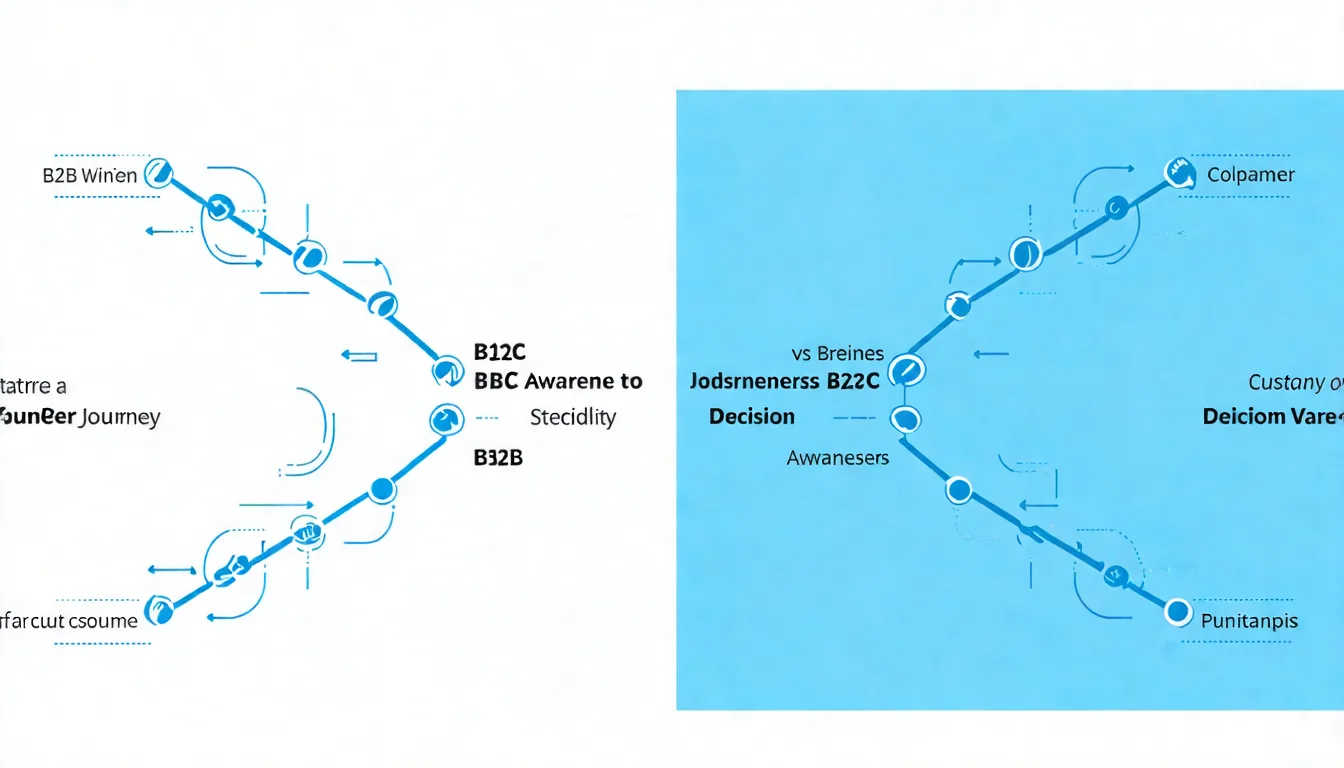
B2B customer journey:
Recognize problem → Research solutions → Evaluate vendors → Compare options → Internal discussion → Purchase decision
Characteristics: Long cycle, multi-person decision, primarily rational
B2C customer journey:
Discover need → Search options → Compare prices → Purchase
Characteristics: Short cycle, individual decision, blend of emotional and rational
Different Search Intents
Common B2B search intents:
- "CRM system comparison"
- "ERP implementation considerations"
- "Vendor evaluation criteria"
Common B2C search intents:
- "iPhone 17 review"
- "Best restaurants in Taipei"
- "Do weight loss methods really work"
Different intents require different content to satisfy them.
The Relationship Between Business Models and SEO
What Is B2B? Understanding the B2B Model
B2B = Business to Business
A business model where your customers are other companies.
Key B2B characteristics:
| Aspect | B2B Traits |
|---|---|
| Customer | Businesses, procurement teams |
| Decision Maker | Multiple stakeholders |
| Decision Time | Long (weeks to months) |
| Price Point | Generally higher |
| Relationship | Long-term partnership |
| Appeal | Rational, ROI-focused |
B2B industry examples:
- Software services (SaaS)
- Industrial equipment manufacturing
- Consulting services
- Raw material supply
For a deeper dive, check out our complete guide: What Is B2B.
What Is B2C? Understanding the B2C Model
B2C = Business to Consumer
A business model where your customers are everyday people.
Key B2C characteristics:
| Aspect | B2C Traits |
|---|---|
| Customer | Individual consumers |
| Decision Maker | Usually one person |
| Decision Time | Short (minutes to days) |
| Price Point | Generally lower |
| Relationship | May be one-time |
| Appeal | Blend of emotional and rational |
B2C industry examples:
- Ecommerce retail
- Food and beverage
- Beauty and personal care
- Travel and hospitality
For more B2C marketing strategies, see What Is B2C.
What Is B2B2C? An Emerging Business Model
B2B2C = Business to Business to Consumer
A business serves end consumers through another business.
How B2B2C works:
Your company → Partner business → End consumer
Examples:
- Payment platforms provide services to merchants, who serve consumers
- Ecommerce marketplaces connect sellers and buyers
- Food delivery platforms connect restaurants and consumers
This model requires marketing to two audiences simultaneously, making SEO strategy more complex.
For a detailed analysis, see What Is B2B2C.
The Fundamental Differences Between B2B and B2C
| Aspect | B2B | B2C |
|---|---|---|
| Purchase Motivation | Solve business problems | Meet personal needs |
| Decision Process | Rational analysis | Emotional + rational |
| Content Needs | Deep, professional | Engaging, interesting |
| Keywords | Technical terminology | Everyday language |
| Conversion Goal | Inquiry, quote request | Direct purchase |
| Content Formats | Whitepapers, case studies | Reviews, guides |
B2B SEO Strategy
B2B Customer Search Behavior
How do B2B buyers search?
- Finding solutions: "How to improve production efficiency"
- Finding suppliers: "CNC machining vendor recommendations"
- Comparing options: "ERP system comparison chart"
- Checking specs: "304 stainless steel specifications"
- Seeking trust signals: "Company X reviews"
Key insight:
B2B customers spend significant time researching before making a purchase decision. This is your content marketing opportunity.
B2B Keyword Research Methods
1. Industry Terminology Keywords
What technical terms do your customers use?
For example, in the machinery industry:
- CNC machining
- Precision components
- Tolerance control
2. Problem-Based Keywords
What problems do your customers face?
- How to reduce production costs
- Why yield rates are low
- How to choose a supplier
3. Comparison Keywords
- System A vs System B
- Vendor comparisons
- Pros and cons analysis
4. Procurement Stage Keywords
Keywords for different procurement stages:
| Stage | Keyword Type | Example |
|---|---|---|
| Awareness | Educational | "What is ERP" |
| Consideration | Comparative | "Best ERP systems" |
| Decision | Evaluation | "Company X ERP reviews" |
B2B Content Marketing Strategy
Content types that work for B2B:
1. Whitepapers / Technical Documents
Demonstrate deep expertise and build authority.
2. Case Studies
"How we helped Company X achieve Y results" is the most persuasive content for prospects.
3. Industry Knowledge Articles
Answer your customers' professional questions and build trust.
4. FAQ Pages
Address all the questions your customers commonly ask.
5. Product Specification Pages
B2B customers need detailed specification information.
Content strategy priorities:
- Depth over breadth
- Professionalism over entertainment
- Building trust comes first
B2B SEO Success Story
Case: Industrial Parts Supplier
Background: A precision parts supplier that relied mainly on trade shows and sales outreach wanted to expand its online presence.
Strategy:
- Built a product specification database
- Published technical application articles
- Optimized for professional keywords
Results:
- Organic search inquiries increased noticeably within 6 months (qualitative description of an anonymized case; no third-party data provided)
- Lead quality improved (prospects had already read the content and understood the products)
Whether B2B or B2C, quality content is the foundation of SEO. Let AI help you produce professional articles.
B2C SEO Strategy
B2C Customer Search Intent
B2C consumer search behavior:
- Information gathering: "Best phones 2026"
- Price comparison: "iPhone vs Samsung"
- Review lookup: "Is Restaurant X any good"
- Finding deals: "Brand X discount code"
- Location search: "Coffee shops nearby"
Key insight:
B2C consumers value reviews, pricing, and experience. Content needs to be relatable and lifestyle-oriented.
B2C Keyword Characteristics
1. More Conversational
- B2B: "CRM system implementation"
- B2C: "How to track customers"
2. Location-Oriented
- "Best spa in Taipei"
- "Family restaurants in Hsinchu"
3. Review-Focused
- "Is Brand X good"
- "Restaurant X reviews"
4. Stronger Purchase Intent
- "Where to buy Product X"
- "Brand X price"
B2C Content Strategy
Content types that work for B2C:
1. Product Reviews
Consumers want honest real-world experiences.
2. Buying Guides
"How should a beginner choose?" "Which one is right for me?"
3. Comparison Articles
"A vs B -- which should you pick?"
4. How-To Guides
"What do I do after buying it?"
5. Q&A Content
Answer consumer questions.
Content strategy priorities:
- Compelling headlines
- Visual content matters
- Social shareability
- Mobile experience
B2C SEO Success Story
Case: Beauty Ecommerce Brand
Background: A startup beauty brand with no physical stores, selling entirely online.
Strategy:
- Produced a large volume of beauty tutorial articles
- Built a comprehensive FAQ section
- Combined social media marketing with SEO
Results:
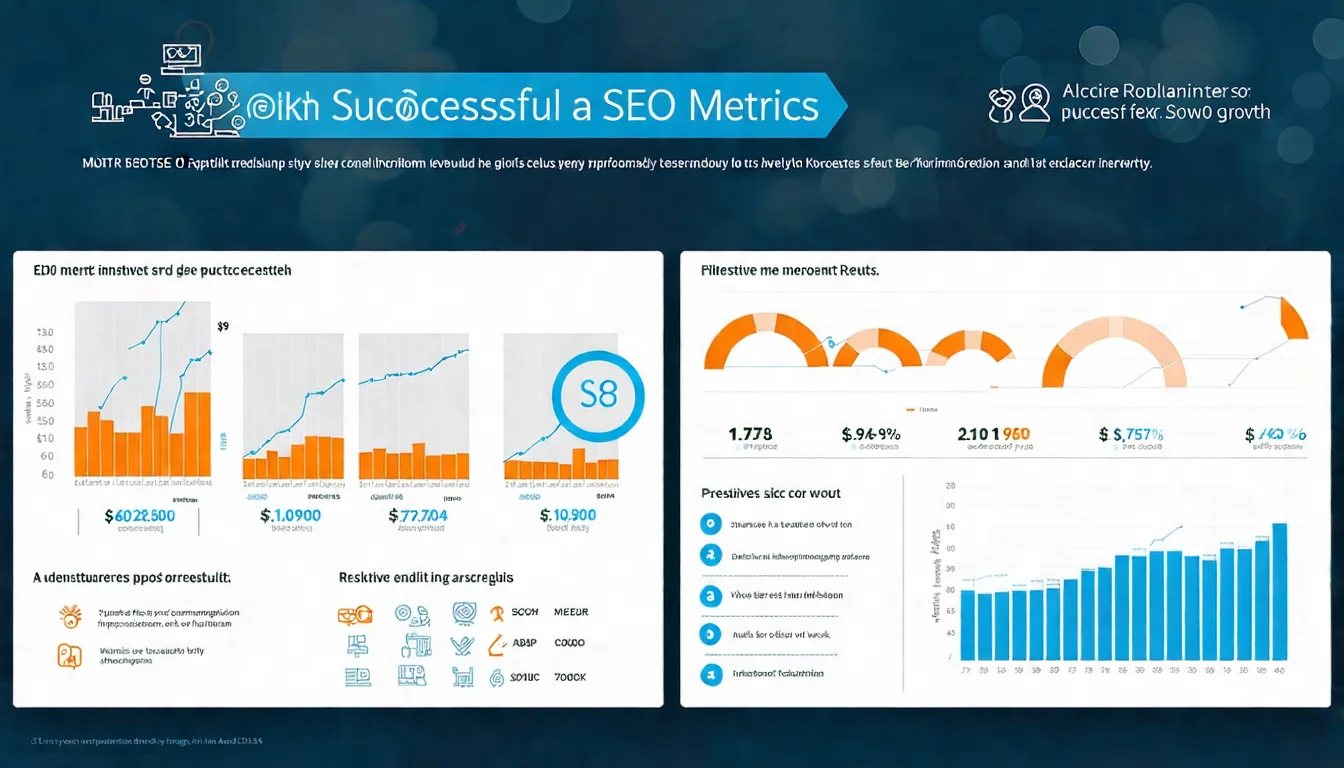
- Organic traffic grew significantly within 12 months (qualitative description of an anonymized case; no third-party data provided)
- Brand awareness increased, with more people searching for the brand name
Ecommerce SEO Strategy
SEO Challenges for Ecommerce Platforms
Unique challenges in ecommerce SEO:
- Massive number of product pages: Potentially hundreds or thousands
- Duplicate content issues: Similar product descriptions tend to overlap
- Technical challenges: Category filters can generate excessive URLs
- Intense competition: Major platforms dominate search results
- Thin content: Product pages typically have very little text
For the complete ecommerce optimization playbook, see Ecommerce SEO Complete Guide.
Product Page Optimization
SEO priorities for product pages:
1. Product Titles
Poor: Blue T-shirt
Good: Pure Cotton Crewneck T-shirt | Classic Blue | Unisex | Brand Name
2. Product Descriptions
- Write unique descriptions -- don't copy official copy
- Include target keywords
- Answer questions consumers would ask
3. Image Optimization
- Alt tags should include product names
- Use meaningful file names
- Compress images for faster loading
4. Structured Data
Use Product Schema markup for:
- Price
- Stock status
- Rating score
- Brand
Category Page Optimization
Category pages are often neglected, but they matter:
Optimization priorities:
- Category descriptions: Add introductory text, not just product listings
- Keyword placement: Include target keywords in category names
- Internal links: Connect related categories and popular products
- URL structure: Clearly reflect the hierarchy
Recommended category page structure:
/women/dresses/
/women/dresses/summer-dresses/
Ecommerce Content Strategy
Ecommerce isn't just about selling products -- you need content too:
1. Buying Guides
"How to choose the right running shoes?"
2. Product Comparisons
"5 air purifiers compared"
3. How-To Guides
"Beginner's guide to using a coffee machine"
4. Trend Articles
"Spring/Summer 2026 fashion trends"
The concept of content commerce:
Use content to attract traffic, then funnel it to product pages. This is a critical ecommerce SEO strategy.
Service Industry SEO Strategy
Unique Challenges for Service Businesses
What makes service industry SEO different:
- Intangible product: Nothing physical to display
- Highly local: Most services are location-based
- Trust is paramount: Customers need to trust you first
- Reviews matter most: Ratings directly influence decisions
For detailed strategies, see Service Industry SEO Guide.
The Importance of Local SEO
The core of service industry SEO: Local SEO
Most service industry customers search for "nearby XX" or "city name + service."
Local SEO priorities:
-
Google Business Profile
- Complete and accurate information
- Regular updates
- Respond to all reviews
-
NAP Consistency
- Name
- Address
- Phone
- Keep consistent across the web
-
Local Landing Pages
- Create dedicated pages for each service area
- Include location-relevant keywords
Review and Reputation Management
Reviews are critical for service businesses:
How to earn reviews:
- Ask proactively after service delivery
- Make the review process simple
- Provide step-by-step instructions
How to handle negative reviews:
- Respond quickly (within 24 hours)
- Be sincere
- Offer a solution
- Invite private communication
Response template:
Thank you for your feedback. We're sorry this experience
didn't meet your expectations. We've reviewed the situation
and made improvements. Please feel free to contact us directly
so we can make things right.
Service Industry Content Strategy
What content does a service business need?
1. Service Description Pages
- Clear explanation of services
- Service process walkthrough
- Pricing information (if applicable)
2. FAQ Content
Answer commonly asked customer questions.
3. Case Studies
Showcase past service results.
4. Expertise Articles
Build professional credibility and attract search traffic.
Found the right strategy for your industry? The next step is consistent content production.
Manufacturing SEO Strategy
Special Requirements for Manufacturing SEO
A common myth in manufacturing:
"We're a traditional industry. We don't need digital marketing."
The reality:
Today's procurement professionals research online before ever contacting a sales rep. If they can't find you in search results, you've already lost an opportunity.
For detailed strategies, see Manufacturing SEO Strategy.
SEO Optimization for Technical Content
Manufacturing content focus: Technical expertise
Content to produce:
-
Product Specification Data
- Detailed spec sheets
- Technical drawings
- Material descriptions
-
Application Case Studies
- Which industries use your products
- What problems were solved
- What results were achieved
-
Technical Knowledge
- Industry education
- Common problem solutions
- Technical terminology explanations
-
Quality Certifications
- ISO certification details
- Inspection reports
- Quality commitments
Content Marketing for B2B Manufacturers
Content marketing challenges in manufacturing:
- Don't know what to write: Content feels too technical for anyone to read
- No time to write: Day-to-day operations are already demanding
- Unsure about ROI: Difficult to measure return on investment
Solutions:
- Start with questions your customers frequently ask
- Turn your sales team's expertise into written content
- Track inquiry sources to calculate SEO ROI
Industry SEO Strategy Comparison
SEO Strategy Overview by Industry
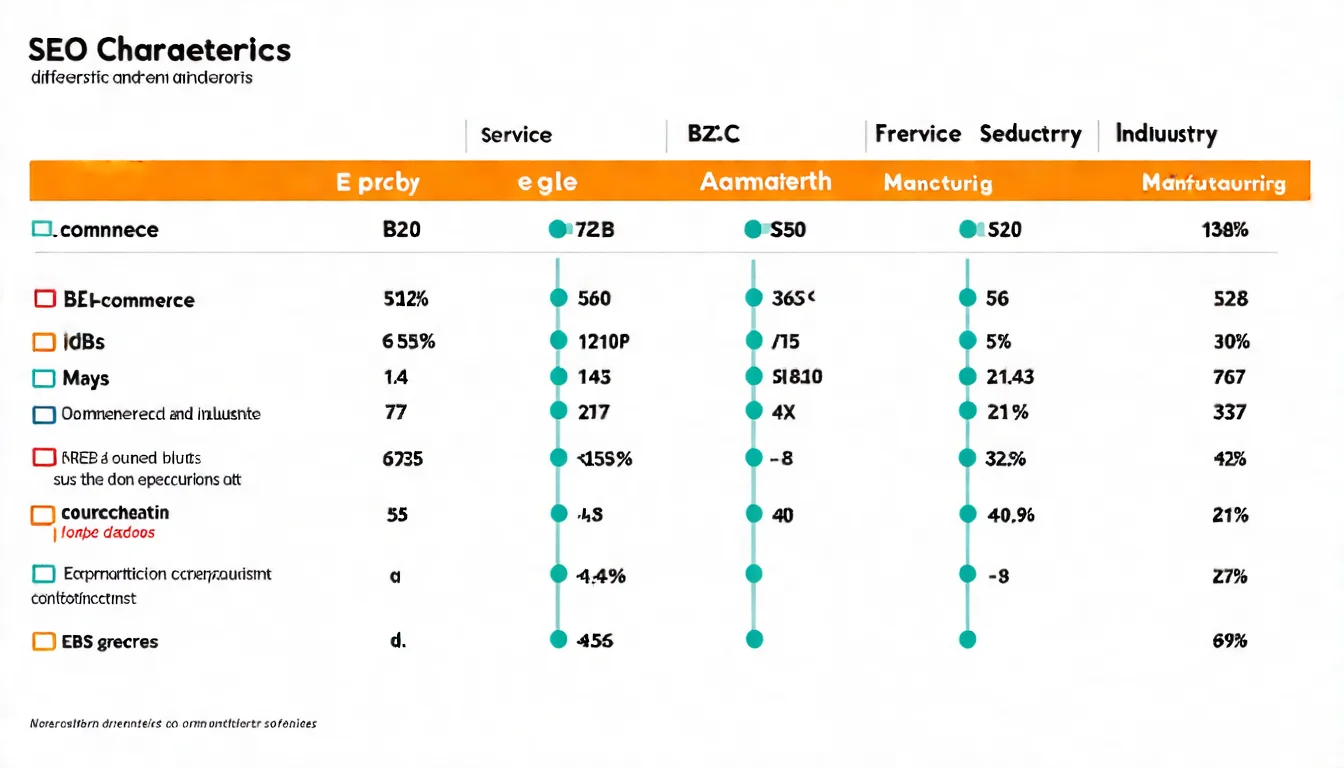
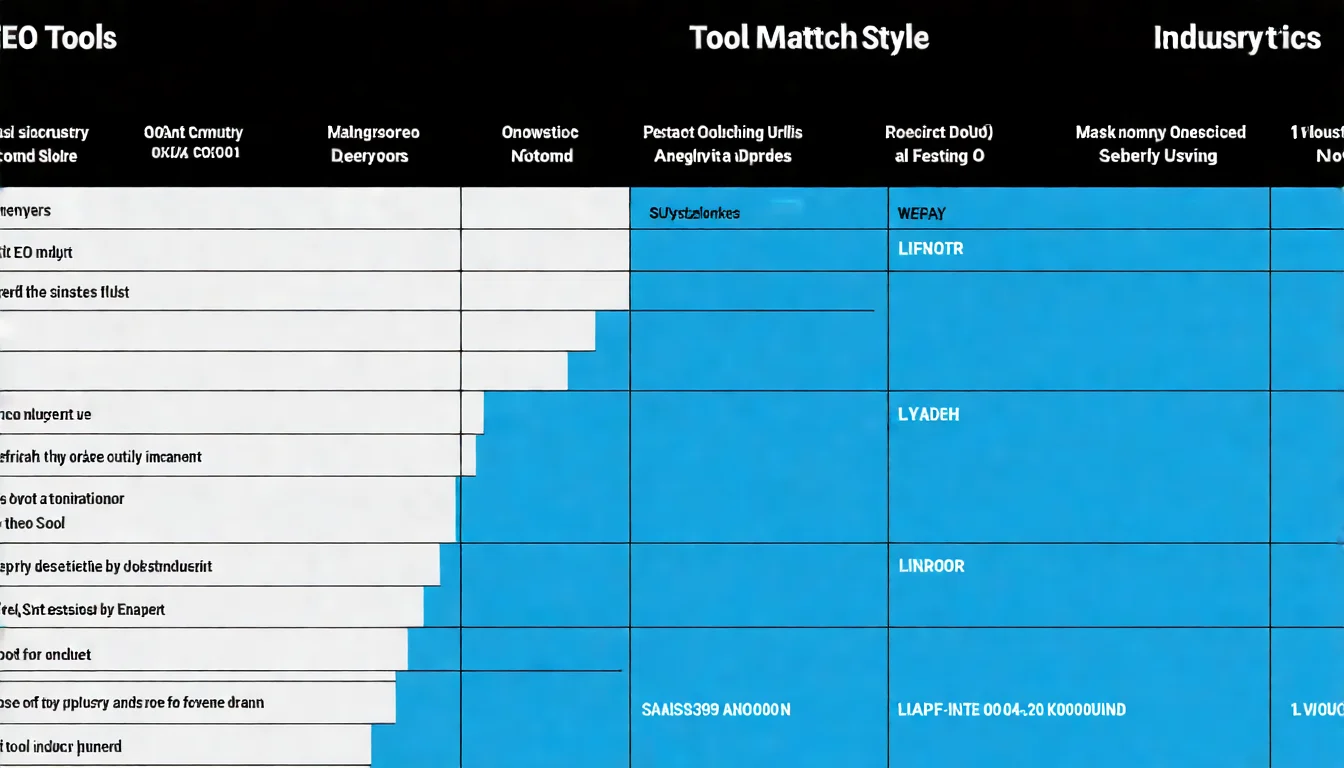
| Aspect | B2B | B2C | Ecommerce | Service | Manufacturing |
|---|---|---|---|---|---|
| Keyword Type | Technical terms | Conversational | Product names | Location + service | Specification terms |
| Content Format | Whitepapers, cases | Reviews, guides | Product pages, comparisons | FAQs, case studies | Technical documents |
| Conversion Goal | Inquiry, quote | Purchase | Purchase | Booking, inquiry | Inquiry, quote |
| Content Depth | Deep | Medium | Medium | Medium | Deep |
| Local SEO | Less important | Depends | Less important | Very important | Less important |
| Social Integration | IG, FB | IG, FB | FB, Google |
Strategy Decision Framework
Who is your customer?
    ├── Business customers → B2B strategy
    │       ├── Manufacturing-related → Manufacturing strategy
    │       └── Service-related → B2B service strategy
    │
    └── General consumers → B2C strategy
            ├── Selling products → Ecommerce strategy
            └── Selling services → Service industry strategy
FAQ: Common Industry SEO Questions
What's the difference between B2B and B2C SEO?
The biggest difference lies in:
Customer decision process
- B2B: Long cycle, multiple stakeholders, rational decisions
- B2C: Short cycle, individual decisions, emotional + rational
Content requirements
- B2B: Professional depth, trust building
- B2C: Engaging, easy to read
Keywords
- B2B: Technical terminology, problem-solving
- B2C: Conversational, purchase-intent
How should an ecommerce site approach SEO?
Ecommerce SEO priorities:
- Product page optimization: Titles, descriptions, images
- Category pages: Add introductory content
- Technical aspects: Structured data, site speed
- Content marketing: Buying guides, how-to articles
The most common mistake is having only product pages without content pages. Content attracts more search traffic.
Do service businesses need SEO?
Yes, and it's crucial.
Today's consumers start their search for services online. Searches like "dentist near me" and "best restaurants in Taipei" happen every day.
The key for service industry SEO is "local SEO" -- ensuring you can be found in local search results.
What does B2B2C mean?
B2B2C = Business to Business to Consumer
A business serves end consumers through another business.
For example:
- Uber Eats (platform) → Restaurants (merchants) → Consumers
- Shopify (platform) → Stores (merchants) → Consumers
This model requires marketing to two audiences simultaneously.
Is SEO effective for manufacturing companies?
Yes.
While manufacturing procurement cycles tend to be traditional, today's procurement professionals search online for supplier information before ever contacting sales.
If your website has comprehensive product information and professional content, you can be discovered during the research phase, opening up new business opportunities.
What SEO strategy is right for my industry?
Decision criteria:
-
Who is your customer?
- Businesses → B2B strategy
- Consumers → B2C strategy
-
What do you sell?
- Products → Ecommerce strategy
- Services → Service industry strategy
-
Service scope?
- Local → Strengthen local SEO
- National/international → Strengthen content SEO
-
Customer decision cycle?
- Long → Need more educational content
- Short → Need more conversion-focused content
How to Find the Right SEO Strategy for Your Industry
There is no one-size-fits-all SEO strategy -- different industries need different approaches.
Key takeaways from this article:
- B2B SEO: Professional content, long-term nurturing, trust building
- B2C SEO: Engaging content, fast conversions, experience-focused
- Ecommerce SEO: Product optimization, content marketing, technical excellence
- Service Industry SEO: Local optimization, review management, reputation building
- Manufacturing SEO: Technical content, specification data, professional image
Our advice:
- First determine your business model (B2B, B2C, or hybrid)
- Choose a strategy direction based on your industry characteristics
- Consistently produce content that meets your customers' needs
- Regardless of industry, content quality is fundamental
To learn more about SEO fundamentals or content marketing strategies, check out our other guides.
Every industry needs quality content. Chat with us on LINE about our AI content solutions.
![What Is B2B? A Complete Guide to the B2B Business Model and SEO Strategy [2026]](/_next/image?url=%2Fblog%2Fimages%2Findustry-seo%2Fwhat-is-b2b-01.webp&w=3840&q=75)
![Ecommerce SEO Guide: Search Optimization Strategies for Online Stores [2026]](/_next/image?url=%2Fblog%2Fimages%2Findustry-seo%2Fecommerce-seo-guide-01.webp&w=3840&q=75)
![Manufacturing SEO Strategy: A Digital Marketing Guide for B2B Manufacturers [2026]](/_next/image?url=%2Fblog%2Fimages%2Findustry-seo%2Fmanufacturing-seo-01.webp&w=3840&q=75)