Do you know what keywords customers use to find your competitors?
Local keywords are the bridge between you and nearby customers. Target the right keywords, and customers will find you when they search.
This article teaches you how to research and leverage local keywords effectively.
Need help finding the right local keywords for your business? Free LINE consultation.
👉 Free LINE Consultation: @006ljkda
Local Search Behavior Analysis
How People Use "Near Me" Searches
"Near me" is a common way people phrase local searches
Queries containing "near me" have become a common way for consumers to look for nearby businesses.
Common "near me" searches:
- "restaurants near me"
- "coffee shop near me"
- "gas station near me"
- "open now near me"
- "24 hours near me"
What does this mean?
Consumers increasingly rely on search to find nearby businesses. If you haven't invested in local SEO, you're missing out on these searches.
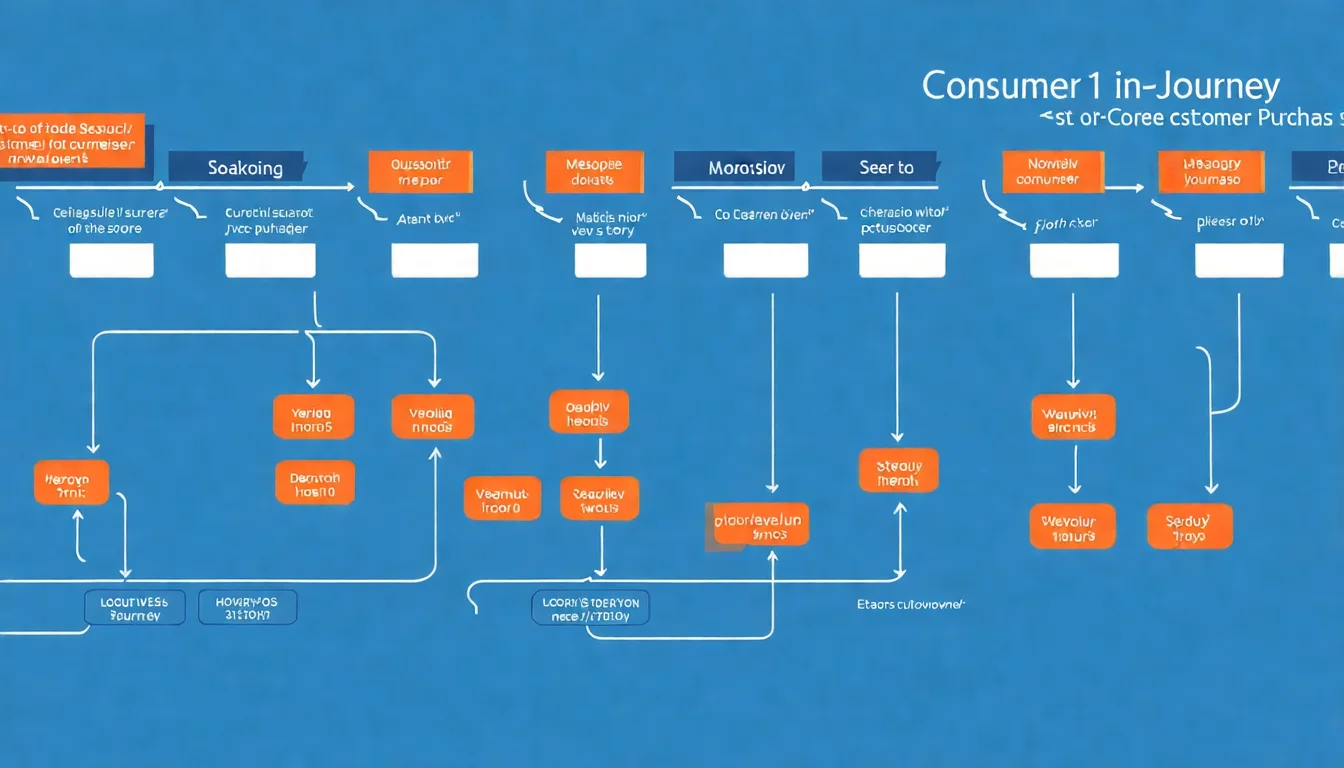
The Consumer Decision Journey for Local Search
A typical local search flow:
Need arises → Search → View results → Compare options → Take action
Search types at each stage:
| Stage | Search Type | Example |
|---|---|---|
| Need arises | Exploratory | "What's good to eat nearby" |
| Search | Category-based | "Taipei Japanese restaurant" |
| Compare | Review-based | "ABC Restaurant reviews" |
| Take action | Navigational | "How to get to ABC Restaurant" |
The Relationship Between Mobile and Local Search
Mobile devices dominate local search:
- Local searches happen mostly on smartphones
- Mobile searches more easily trigger "near me" results
- Google delivers results based on the user's location
This means:
- Your website must be mobile-friendly
- Your Google Business Profile must be complete
- Your business hours must be accurate ("Open now" is an advantage)
Types of Local Keywords
Explicit Location Keywords (City + Service)
Format: Location + Service/Product
Examples:
- "Taipei dentist"
- "Xinyi District restaurant"
- "Da'an District hair salon"
- "Hsinchu moving company"
Characteristics:
- User explicitly wants services in a specific area
- Clear search intent
- May have higher competition
Implicit Local Intent Keywords (e.g., "recommended restaurant")
Some searches carry implicit local intent
Even without mentioning a location, Google knows the user likely wants local results.
Examples:
- "recommended restaurant" — Google shows nearby restaurants
- "best dentist" — Shows nearby dentists
- "great breakfast spot" — Shows nearby breakfast places
How to tell?
Search it yourself. If the results include a map pack, the keyword has local intent.
"Near Me" Keywords
Format: "near me" + Service/Product or Service/Product + "near me"
Examples:
- "coffee shop near me"
- "restaurant near me"
- "24-hour convenience store near me"
Characteristics:
- Strong local intent
- Users are usually ready to take immediate action
- Rankings depend heavily on actual physical distance
How to optimize?
You can't change your location, but you can:
- Ensure your Google Business Profile location is accurate
- Keep your business hours correct
- Build up positive reviews
Landmark-Based Keywords
Format: Landmark + Service/Product
Examples:
- "restaurants near Taipei 101"
- "food near the train station"
- "clothing stores in Ximending"
- "drinks near Shida Night Market"
Characteristics:
- Users may be tourists or visitors from out of town
- Using landmarks as reference points
- Ideal for businesses near popular landmarks
Local Keyword Research Methods
Using Google Keyword Planner
Prerequisite: Keyword Planner sits inside Google Ads. Per Google's official documentation, you must first create a Google Ads account and complete your billing information before you can access basic features like "Get ideas for new keywords" — without that, the steps below will not work.
Steps:
1. Set Your Location
In the Keyword Planner, set your target region (e.g., Taipei City).
2. Enter Seed Keywords
Enter your service or product, such as "dentist" or "restaurant."
3. Review Suggestions
Look at Google's suggested related keywords and search volumes.
4. Filter for Keywords with Local Intent
Identify keywords that include location names or have local intent.
Analyzing Google Autocomplete Suggestions
The simplest method:
Type your service in the Google search bar and see what autocomplete suggests.
Example:
Typing "Taipei dentist":
- Taipei dentist recommended
- Taipei dentist cleaning
- Taipei dentist implant
- Taipei dentist orthodontics
These are real keywords people actually search for.
Advanced Tips:
- Try different locations
- Try different services
- Check the "Related searches" section at the bottom
Researching Competitor Keywords
Examine competitor websites:
- What keywords do they use in page titles?
- Which locations do they mention in their content?
- How is their Google Business Profile written?
Tool-Assisted Research:
Use SEO tools (such as Ahrefs, SEMrush) to check which keywords competitors rank for.
Collecting Customer Search Terms
Ask your customers:
- How did you find us?
- What did you search for?
Check Google Search Console:
See which keywords users used to find your website.
Check Google Business Profile "Performance":
See which search queries led users to your listing. Watch the interface naming: search term data lives under "Performance," not "Insights" — Insights is a separate feature that offers optimization suggestions. Search query data refreshes at the start of each month and can lag by up to 5 days.
After finding your keywords, you need consistent content creation. Let AI help.
Location + Service Keyword Combination Strategy
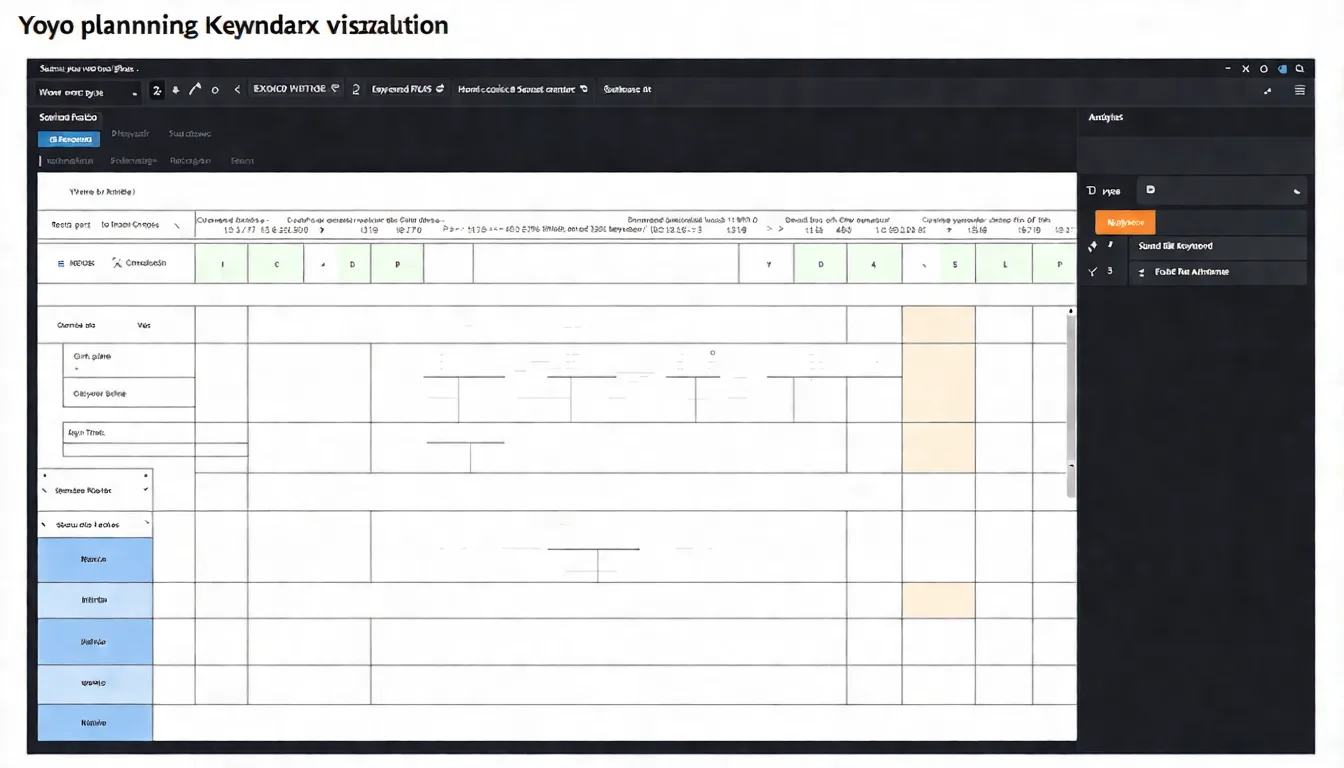
Building a Keyword Matrix
What is a keyword matrix?
Cross-referencing locations and services to generate every possible keyword combination.
How to build one:
1. List all your services
For example, a dental clinic:
- Cleaning
- Implants
- Orthodontics
- Whitening
- Root canal
2. List all target locations
For example:
- Taipei
- Xinyi District
- Da'an District
- Songshan District
3. Cross-reference them
| Cleaning | Implants | Orthodontics | Whitening | |
|---|---|---|---|---|
| Taipei | Taipei cleaning | Taipei implants | Taipei orthodontics | Taipei whitening |
| Xinyi District | Xinyi cleaning | Xinyi implants | Xinyi orthodontics | Xinyi whitening |
| Da'an District | Da'an cleaning | Da'an implants | Da'an orthodontics | Da'an whitening |
Choosing Primary and Secondary Locations
You don't need to target every location
Prioritize based on these criteria:
Primary Locations:
- Where your store is located
- Where most of your customers come from
- Areas with the highest search volume
Secondary Locations:
- Nearby areas
- Areas your services cover
- Areas with growth potential
Long-Tail Keyword Opportunities
What are long-tail keywords?
Longer, more specific keywords. They have lower search volume but also lower competition.
Local long-tail keyword examples:
- "pediatric dentist in Xinyi District recommended"
- "Taipei 24-hour emergency dentist"
- "painless dental cleaning in Da'an"
The value of long-tail keywords:
- Lower competition makes ranking easier
- More specific search intent
- Typically higher conversion rates
Multi-Location Keyword Strategies
Independent Keyword Plans for Each Location
If you have multiple locations:
Each location needs its own keyword strategy.
Example:
Taipei Xinyi Store:
- Primary keyword: Xinyi District dentist
- Secondary keyword: dentist near Taipei 101
Taipei Da'an Store:
- Primary keyword: Da'an District dentist
- Secondary keyword: dentist near Shida University
Balancing Brand vs. Individual Store Keywords
Two levels:
Brand level:
- "ABC Dental" (brand search)
- "ABC Dental locations"
Individual store level:
- "ABC Dental Xinyi Branch"
- "Xinyi District dentist" (generic local search)
Strategy:
- Homepage targets brand keywords
- Each branch page targets local keywords
Avoiding Self-Competition
Problem: Multiple locations competing for the same keywords
Solutions:
- Each location has a clear service area
- Unique content on each location page
- Emphasize different specialties at each location
Wrong approach:
All branch pages have identical content with just the address swapped.
Right approach:
Each branch page has:
- A unique introduction for that store
- Service descriptions for that specific area
- Specialty services offered at that location
- Local transit information
Applying Local Keywords
Website Content Optimization
Using local keywords on your website:
1. Page Title (Title Tag)
✓ Best Dentist in Xinyi District | ABC Dental Clinic
✓ Taipei Dental Implant Expert - ABC Dental | Professional Implant Services
2. Body Content
Naturally mention the location and service throughout your content.
3. Location Pages
Create dedicated pages for each service area.
4. Footer Information
Display your complete address and service areas in the footer.
Google Business Profile Application
Using keywords in your Business Profile:
1. Business Description
Naturally mention your services and areas.
2. Service/Product Items
List all services, including relevant keywords.
3. Posts
Publish posts that include local keywords.
4. Q&A
Google revamped Maps Q&A in December 2025: customers now ask directly in Google Maps and get an instant answer based on your answers and relevant reviews, while businesses answer aggregated customer questions from Google. Just make your answers specific.
Paid Advertising Application
If you run Google Ads:
Local keyword research can be applied to:
- Keyword ads: Target high-conversion local keywords
- Location settings: Set ads to display only in your service area
- Ad copy: Mention the location in your ads
FAQ
What geographic area should I target?
It depends on your business type:
| Business Type | Suggested Range |
|---|---|
| Restaurant | 1-3 km radius |
| Dentist | District-level or larger |
| Moving company | Entire city or larger |
| Online service | Nationwide |
Factors to Consider:
- How far are customers willing to travel?
- What area does your service cover?
- What's the competitive landscape like?
Are low-volume local keywords worth targeting?
Yes, they're worth considering, because:
- Low competition: Easier to rank for
- Precise: The people searching may be exactly your target customers
- Cumulative effect: Many low-volume keywords add up to significant traffic
Recommendation:
- Focus your main effort on higher-volume keywords
- Simultaneously target long-tail keywords
- Don't ignore low-volume keywords with high conversion potential
How do I track local keyword rankings?
Methods:
1. Manual Checks
Search from your target area. Note: Results vary by location.
2. Google Search Console
See which keywords your website gets impressions for.
3. Local Rank Tracking Tools
Use tools that simulate searches from different locations:
- BrightLocal
- Whitespark
- SEMrush
4. Google Business Profile "Performance" report
See which searches led users to find you (the interface now calls this "Performance," not the older "Insights").
Why Local Keywords Are the Bridge to Your Customers
Key Takeaways:
-
Understand local search behavior
- "Near me" is a common entry point for local searches
- Mobile is dominant
- High search intent, fast conversions
-
Know the types of local keywords
- Explicit location keywords
- Implicit local intent
- Landmark-based keywords
-
Research methods
- Google Autocomplete
- Keyword Planner
- Competitor analysis
- Customer interviews
-
Combination strategy
- Build a keyword matrix
- Location + service combinations
- Long-tail keyword opportunities
-
Practical application
- Website content
- Google Business Profile
- Paid advertising
Learn more about Local SEO in our complete guide.
Learn about Keyword Research in our keyword research guide.
Local keywords need localized content to support them. Get an AI article solution via LINE.