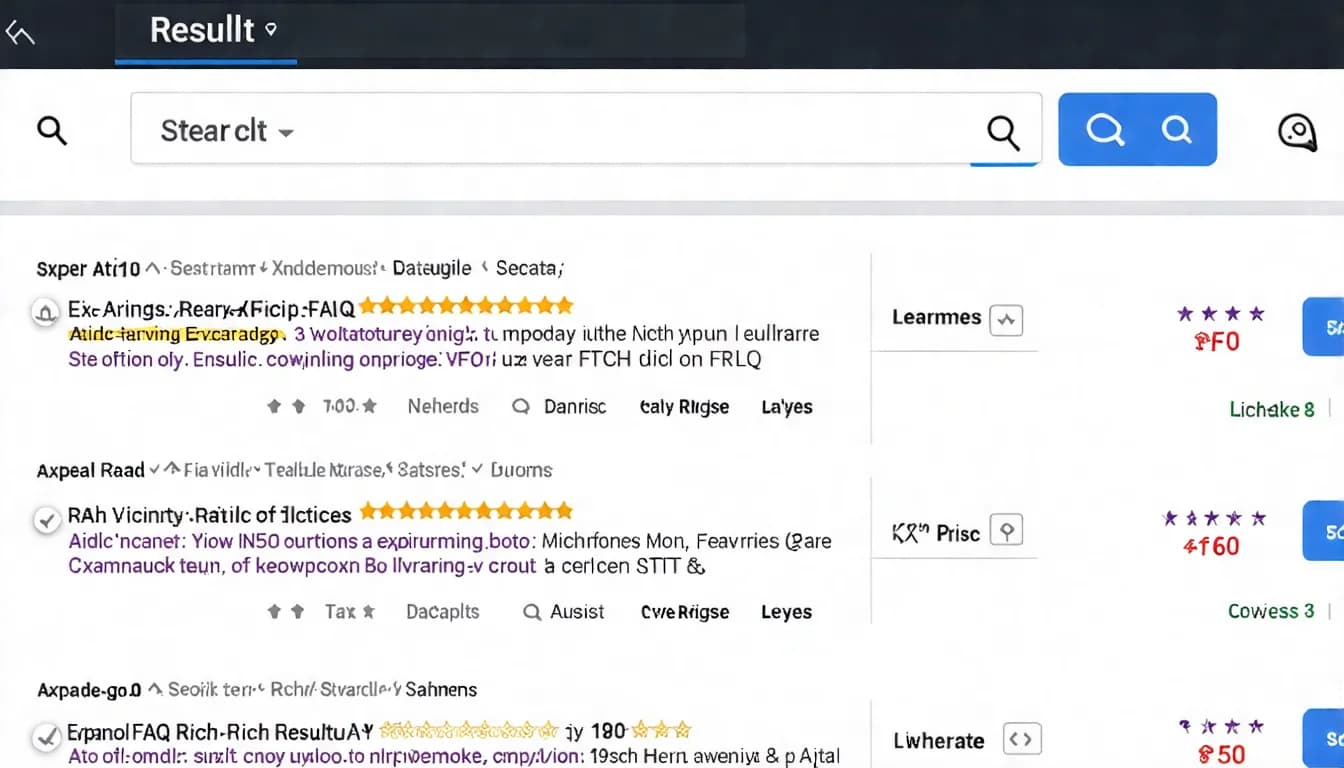
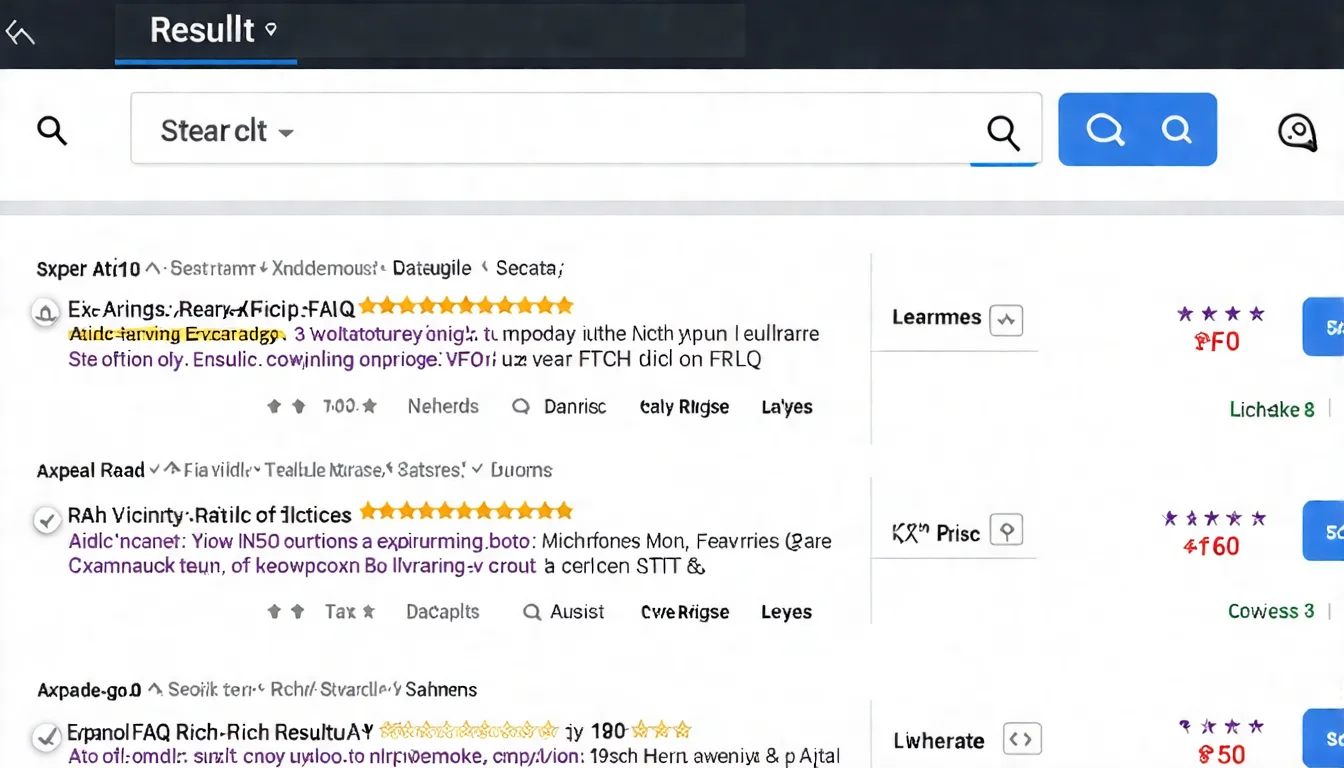
Have you ever noticed that some search results look especially "rich"?
Some display star ratings, others show prices and availability, and some list recipe cooking times. These are all the result of structured data.
Structured data is like labeling your website content with tags so Google can understand exactly what your content is about. When done right, it makes your search results more eye-catching and more likely to be clicked.
This guide will walk you through the concept of structured data, common types, and how to implement it step by step.
What Is Structured Data?
Definition of Structured Data
Structured data is a standardized code format used to describe the "type" and "attributes" of web page content.
Think of it this way: if your web page is a book, structured data is the book's "table of contents" and "index," helping search engines quickly understand the content structure.
For example, if your page is a recipe article, structured data can tell Google:
- What dish it is
- What ingredients are needed
- How long it takes to cook
- How many reviews and ratings it has
Google might be able to "guess" this information from the text, but structured data lets it "know for certain."
What Is Schema.org?
Schema.org is a structured data standard jointly created by Google, Microsoft, Yahoo, and Yandex.
It defines hundreds of "Types" and "Properties," covering:
- Articles, news
- Products, prices
- Events, locations
- Organizations, people
- Recipes, videos
- FAQs, how-to steps
- And much more...
When you implement structured data, you're essentially following Schema.org's specifications.
Why Is Structured Data Important for SEO?
1. Earn Rich Results
This is the most direct benefit. Properly implemented structured data can make your search results display:
- Star ratings
- Price ranges
- Image and video previews
- Breadcrumb trails
All of these make your results more prominent and boost click-through rates. (Expandable FAQ sections and step-by-step lists used to belong on this list, but Google removed them from its supported rich results in May 2026 and September 2023 respectively. The FAQPage and HowTo markup itself is still valid and may still be cited by AI systems — it just no longer changes how your result looks.)
2. Help Google Understand Your Content More Precisely
Structured data eliminates Google's guesswork, allowing it to more accurately match your content with relevant search queries.
3. Helping Machines Understand Your Content More Precisely
Structured data helps machines understand your page more precisely, which may help AI assistants interpret your content, but there is no official guarantee it gets you cited.
To learn more about technical SEO concepts, check out our comprehensive guide.
Types of Structured Data
Schema.org defines many types. Here are the most commonly used ones that provide the most SEO value:
Article Schema
Suitable for news articles, blog posts, and similar content.
Information you can mark up:
- Title, author
- Publication date, modification date
- Featured image
- Publisher information
Effect: May give your result a richer appearance in search, such as the article title and larger-than-thumbnail images.
FAQ Schema
Suitable for FAQ pages or Q&A sections within articles.
Information you can mark up:
- Questions
- Answers
Effect: Google announced in May 2026 that the FAQ rich result is no longer shown in search results (and well before that, it had already been limited to a small set of well-known, authoritative government and health sites), so marking up FAQs no longer changes how your result looks. FAQPage is still a valid schema.org type and still passes validation, and it can still be useful for structuring Q&A content that AI systems may cite.
HowTo Schema
Suitable for tutorial articles and how-to guides.
Information you can mark up:
- Step names and descriptions
- Time required
- Tools or materials needed
- Step images
Effect: Google removed the HowTo structured data documentation in September 2023, and this rich result is no longer shown on either desktop or mobile. The markup itself is still valid, but it will not change how your result looks.
Product Schema
Suitable for e-commerce product pages.
Information you can mark up:
- Product name, brand
- Price, availability
- Rating, review count
- Images
Effect: Displays price, rating, and stock status information.
LocalBusiness Schema
Suitable for businesses with physical locations.
Information you can mark up:
- Business name, address, phone
- Operating hours
- Ratings, reviews
- Accepted payment methods
Effect: Displays complete business information in local search results.
Organization Schema
Suitable for company homepage.
Information you can mark up:
- Company name, logo
- Contact information
- Social media links
Effect: May appear in the Knowledge Panel for brand searches.
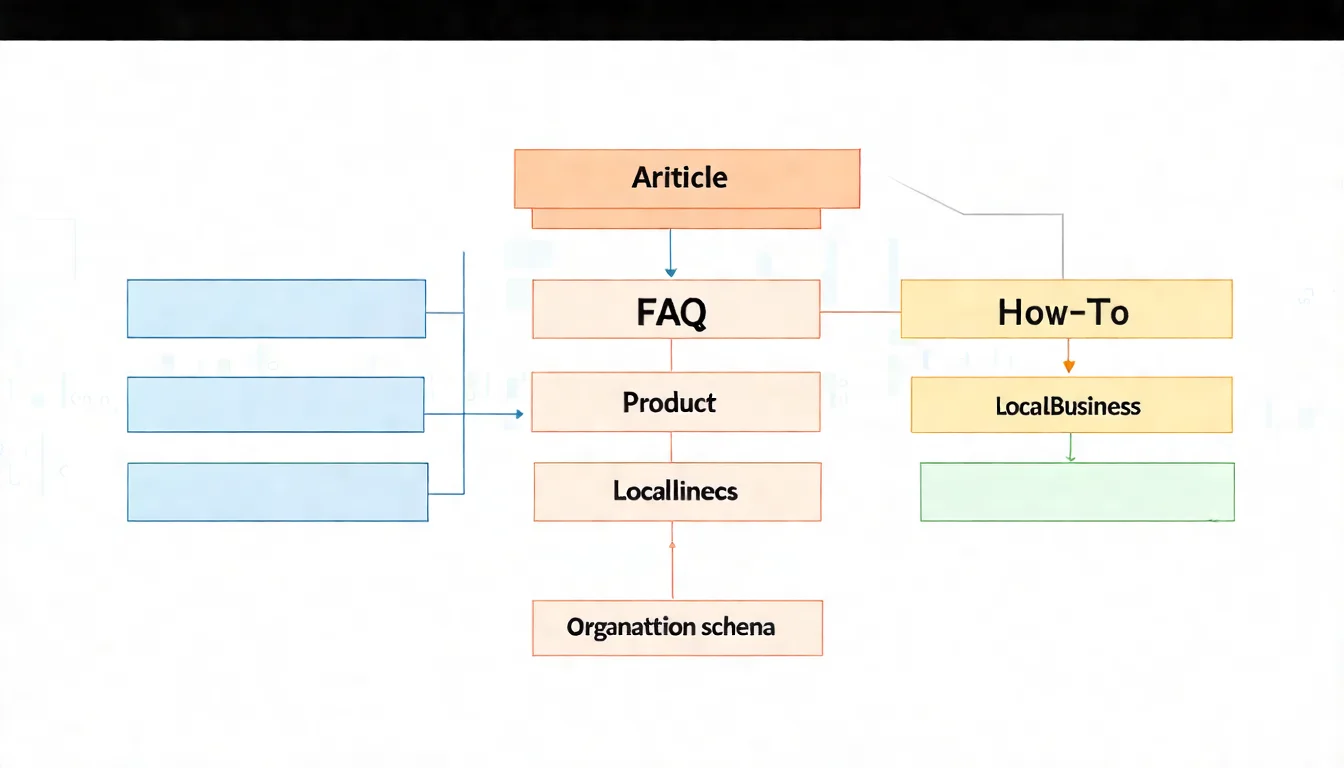
How Structured Data Appears in Search Results
After implementing structured data, you may see the following display enhancements:
Rich Results
The most common effect. Your search results will show additional information beyond standard results:
- Star ratings: Stars displayed below the title
- Price information: Product price and stock status
- Breadcrumbs: The page's position within your site hierarchy
- Video previews: Video thumbnails and related details
- Image carousels: Multiple images scrolling horizontally
(FAQ expansions and step lists used to be common here, but Google removed them from its supported rich results in May 2026 and September 2023 respectively.)
These extras make your results stand out and may improve click-through rates — the actual lift varies widely by industry and query, and Google has not published a universal figure.
Featured Snippets
The "position zero" at the very top of the search results page.
Structured data doesn't directly generate featured snippets, but it helps Google more easily extract answers from your content.
Knowledge Panels
The information card that appears on the right side when searching for brands or people.
Organization Schema and Person Schema can help Google display accurate information in Knowledge Panels, including logos, social links, and more.
Want your articles to appear in featured snippets? Great content is the first step. Let AI help you produce professional articles that match search intent.
👉 Learn about AI SEO article services
How to Implement Structured Data
JSON-LD Format Explained
Structured data comes in three formats: JSON-LD, Microdata, and RDFa.
Google officially recommends JSON-LD (Google's exact wording: use the format that's easiest to implement and maintain — in most cases JSON-LD; all three formats are equally fine for Google) because it:
- Can be placed anywhere in
<head>or<body> - Doesn't need to be mixed with HTML content
- Is easier to maintain and update
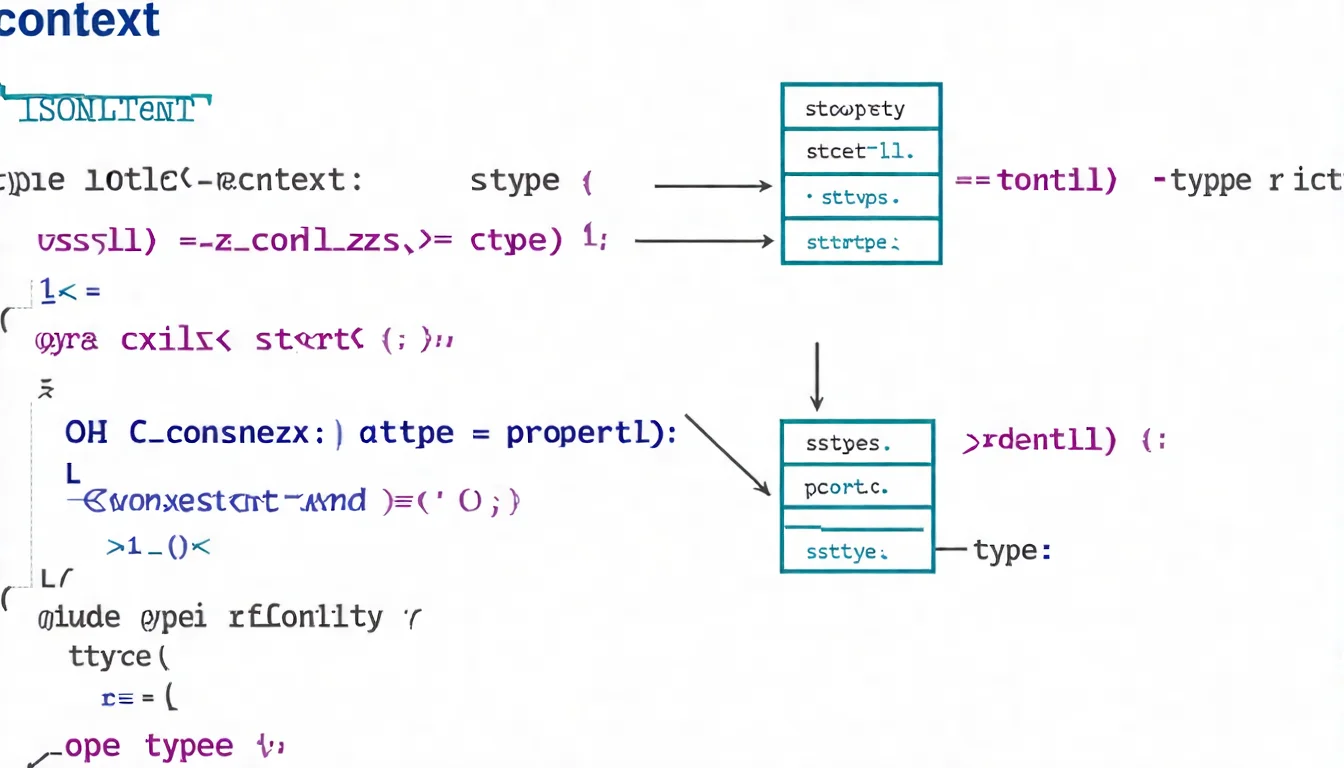
The basic structure of JSON-LD:
<script type="application/ld+json">
{
  "@context": "https://schema.org",
  "@type": "TypeName",
  "property1": "value1",
  "property2": "value2"
}
</script>
FAQ Schema Implementation Example
If your article has an FAQ section, you can mark it up like this (note: since May 2026 Google no longer shows FAQ rich results — the markup below still passes the Schema Markup Validator, but it will not change how your result looks):
<script type="application/ld+json">
{
  "@context": "https://schema.org",
  "@type": "FAQPage",
  "mainEntity": [
    {
      "@type": "Question",
      "name": "Does structured data affect rankings?",
      "acceptedAnswer": {
        "@type": "Answer",
        "text": "Structured data itself is not a direct ranking factor, but it can generate rich results that improve click-through rates, which indirectly helps rankings."
      }
    },
    {
      "@type": "Question",
      "name": "Will adding structured data guarantee rich results?",
      "acceptedAnswer": {
        "@type": "Answer",
        "text": "Not necessarily. Google decides whether to display them based on various factors, but proper implementation significantly increases your chances."
      }
    }
  ]
}
</script>
Article Schema Implementation Example
For article pages:
<script type="application/ld+json">
{
  "@context": "https://schema.org",
  "@type": "Article",
  "headline": "What Is Structured Data? A Complete Schema SEO Guide",
  "author": {
    "@type": "Organization",
    "name": "AI SEO Hacker"
  },
  "publisher": {
    "@type": "Organization",
    "name": "AI SEO Hacker",
    "logo": {
      "@type": "ImageObject",
      "url": "https://example.com/logo.png"
    }
  },
  "datePublished": "2026-01-21",
  "dateModified": "2026-01-21",
  "image": "https://example.com/article-image.jpg"
}
</script>
Recommended WordPress Plugins
If you'd rather not write JSON-LD manually, these plugins can auto-generate it:
1. Yoast SEO Built-in Schema features that automatically add Article Schema to posts. The premium version supports more types.
2. Rank Math The free version includes comprehensive Schema functionality with support for multiple types and a user-friendly visual editor.
3. Schema Pro A dedicated Schema plugin with the most complete type support, ideal for sites that need many different Schema types.
Structured Data Validation Tools
After implementation, always validate that everything is correct:
Google Rich Results Test
URL: https://search.google.com/test/rich-results
Features:
- Check if a page has structured data
- Validate format correctness
- Preview potential rich result appearances
- Display errors and warnings
This is the most important validation tool — it tells you exactly what Google sees.
Schema Markup Validator
URL: https://validator.schema.org/
Features:
- Validate Schema syntax correctness
- Check compliance with Schema.org specifications
- Not limited to Google-supported types
Ideal for catching syntax errors; stricter than Google's tool.
Google Search Console
Features:
- View your site's overall structured data status
- Discover pages with errors or warnings
- Track rich result impressions and clicks
After implementation, continuously monitor in Search Console to ensure there are no issues.
Too technical? Focus on high-quality content first — structured data can be handled later.
👉 Free LINE consultation: @006ljkda
Structured Data FAQ
Q: Will adding structured data guarantee rich results?
A: Not necessarily. Google decides whether to display them based on search queries, competition, content quality, and other factors. Proper implementation significantly increases your chances, but 100% display is never guaranteed.
Q: Does structured data affect rankings?
A: Structured data itself is not a direct ranking factor. However, it can generate rich results and improve click-through rates, which indirectly helps rankings. More importantly, it helps Google understand your content more accurately.
Q: Which types of structured data are most important?
A: It depends on your website type:
- Blogs/content sites: Article, Breadcrumb, Video
- E-commerce sites: Product, Review
- Local businesses: LocalBusiness
- Corporate sites: Organization
Start with the Schema type that best matches your website.
Q: Can structured data be abused?
A: If the marked-up information doesn't match your page's actual content, Google may consider it deceptive. This could lead to rich results being removed or even affect your site's rankings. Always ensure your markup matches your page content.
Why Structured Data Is a Powerful Visibility Tool
Structured data may seem technical, but the benefits are very practical: it makes your search results more eye-catching and more clickable.
Key Takeaways:
- Purpose of structured data: Helps search engines understand your content more precisely
- Common types: Article, Product, LocalBusiness, Breadcrumb (FAQ and HowTo rich results are no longer shown)
- Display effects: Rich results, featured snippets, knowledge panels
- Implementation: Use JSON-LD format or WordPress plugins
- Validation tools: Google Rich Results Test, Schema Validator
Recommended Action Steps:
- Determine which Schema type suits your website
- Start with Article and Breadcrumb Schema (easiest to implement, and still eligible for rich results today)
- Validate with testing tools
- Track performance in Google Search Console
Structured data isn't difficult, but it requires patience and attention to detail. Get this right, and your search results will stand out from the competition.
For more technical SEO items, check out the Technical SEO Checklist.
SEO content services — let us handle the content while you take the technical improvements one step at a time.