Your competitors probably already wrote "AI search" into their marketing deck this year.
The problem? Writing it into a slide, and actually making your content get cited by AI, are two very different things. That gap is where 2026 quietly separates the winners from the rest.
This article unpacks the disconnect between wanting to optimize for AI search and actually doing the content work, and shows what to fix first.
Key Takeaway: According to eMarketer, citing a 2026 study by 10Fold, 52% of B2B tech marketing decision-makers now rank AI search as their top distribution channel, ahead of organic search (29%). But the same report flags it: content optimization is clearly lagging behind that enthusiasm.
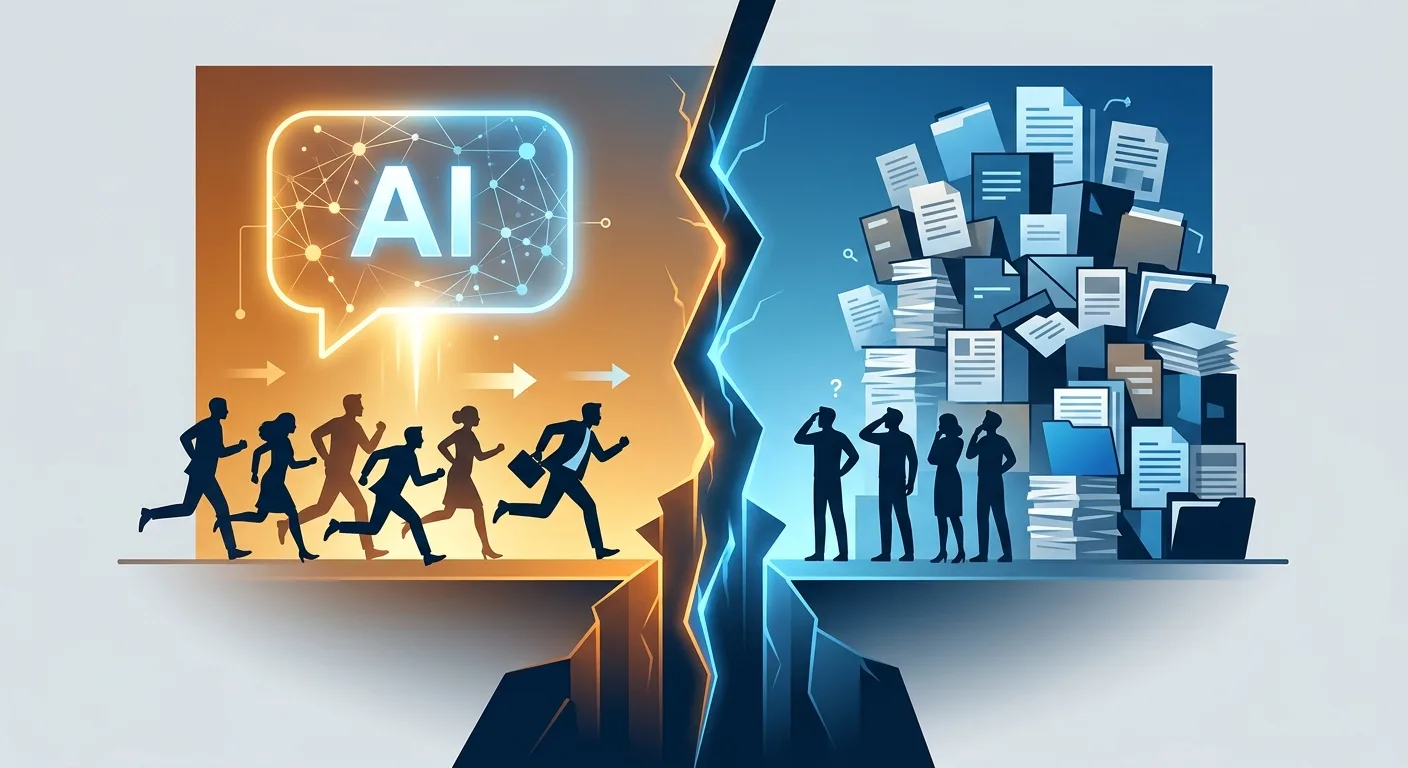 Caption: Marketers sprint toward AI search while their content optimization stays stuck—that's where the gap opens.
Want to know if your content is even citable by AI? Reach out via LINE for a free consultation.
👉 Free LINE Consultation: @006ljkda
Why Do Most Marketers Now Rank AI Search As Their Top Channel?
According to eMarketer, citing a 2026 study by 10Fold, 52% of B2B tech marketing decision-makers rank AI search as their number-one distribution channel, ahead of traditional organic search. That's a signal. AI search is no longer a "someday" thing—it has been slotted into this year's strategy.
Let's be precise about the scope first. This figure covers B2B tech marketing decision-makers, not all marketers, and the sample size wasn't disclosed. So it reflects a shift inside one specific circle, not a whole-market average. But even with that narrower scope, the shift is striking.
Here's how the channels break down when marketers name their top one:
| Distribution channel | Ranked as top |
|---|---|
| AI search | 52% |
| Organic search (traditional SEO) | 29% |
| Direct traffic | 27% |
| Paid media | 26% |
| Influencer marketing | 22% |
In our own work with clients, this shift checks out. Six months ago, when we brought up GEO (generative engine optimization—the practice of getting your content cited inside AI answers), most owners were still watching from the sidelines. Now, the number of people proactively asking "can people find my brand inside ChatGPT?" has clearly grown. The attitude really is changing.
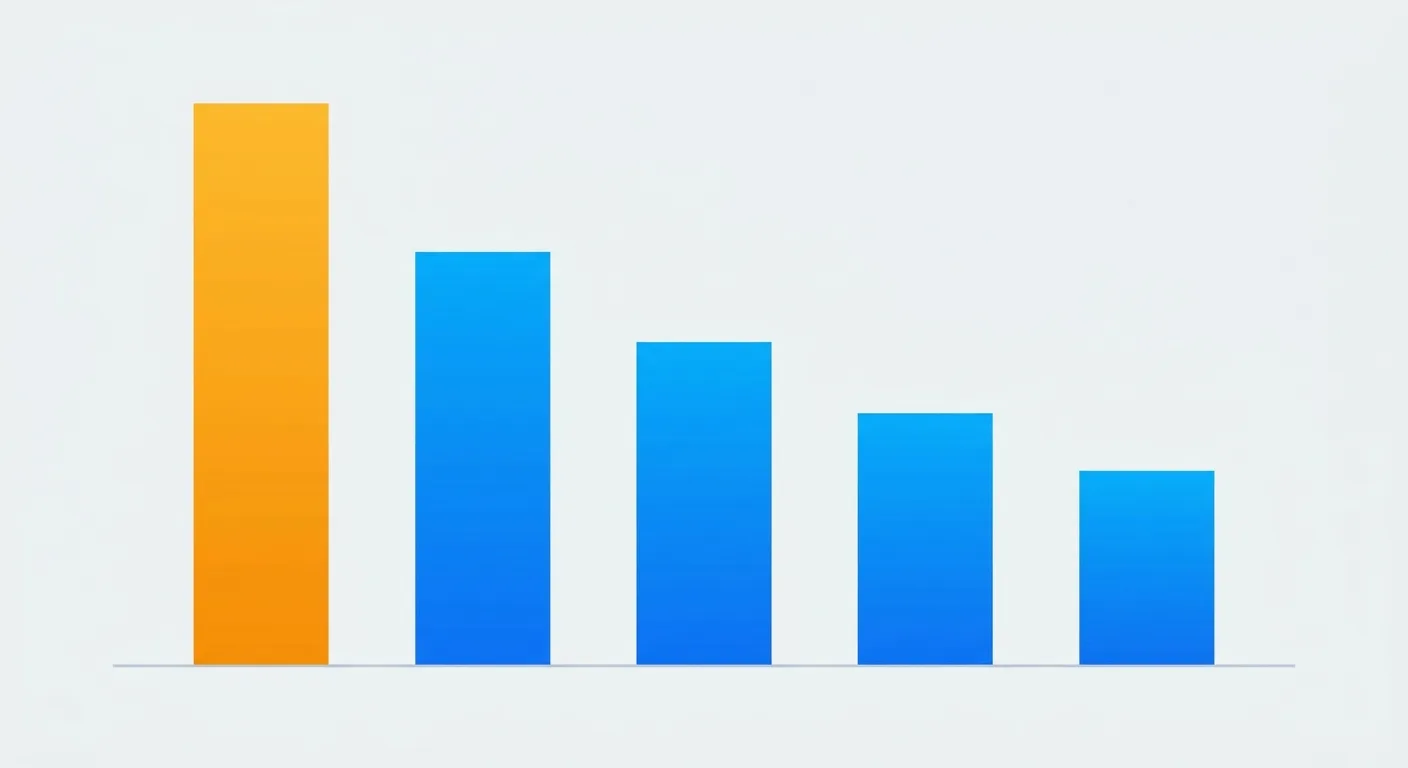 Caption: AI search (orange) is now the top channel for over half of B2B tech marketing decision-makers, ahead of organic search, direct traffic, paid media, and influencer (eMarketer/10Fold, 2026).
Where Exactly Is the Gap Between Wanting To and Actually Doing?
The gap is this: ranking AI search into your strategy, and rewriting your content so AI can cite it, are two separate jobs. The title of that eMarketer report says it outright—AI search tops the channel list, while content optimization lags. Filing a channel into a deck takes one sentence. Restructuring content takes real work.
Here's the trap a lot of people fall into. Most marketers view AI search through a channel mindset: just another place to "buy placement and impressions." But AI search doesn't run on ad spend. Getting cited depends on the content itself being clear, easy to extract, and credible. That's content engineering, not media buying.
Honestly, this is the root of the gap: people apply an ad-buying brain to something that actually requires editing content. The result? The channel gets slotted in, and the content stays untouched. AI crawls your page, finds no citable passage, and cites someone else instead.
Here's a scenario we see often. A small business hears the trend, decides "this year we do AI search," and cranks out ten more blog posts. The posts are earnest and the facts are right. But the problem remains: paragraphs run three to five hundred words, the conclusion sits at the very bottom, and every number is "based on market observation" with no source. Fine for a human reader, maybe—but to AI it's a wall with no grabbable point. Three months later, the name in the AI answers is still someone else's. They produced "more content," not "more grabbable content." That one-word difference is the whole gap between wanting to and actually doing.
You may have also seen another number going around: "73% of marketers are already optimizing for AI answers." A word of caution here—that 73% comes only from a single SEO agency's press release (SEO Essex), with no disclosed methodology and no sample. It isn't a rigorous survey. Don't treat it as data. Rather than chase a number of unknown origin, look at the figure with a method behind it—the gap is real, but the evidence for it is eMarketer, not that PR release.
Want AI to mention your brand in its answers?
Not sure where to start editing? AI SEO Hacker offers a free audit to find the gaps keeping your content out of AI citations.
👉 Free LINE Consultation: @006ljkda
Query Volume Hit an All-Time High—Meaning Google Wasn't Replaced by AI
A common pushback: won't AI swallow Google search whole, killing SEO along the way? By Google's own numbers, no. Google's 2026 I/O official blog put it plainly: last quarter, search queries hit an all-time high.
That statement carries two layers. First, search demand isn't shrinking—it's growing. Second, AI didn't stop people from searching; it changed what happens after the search. People still search, they just sometimes get the answer straight from an AI summary.
So the real change isn't "nobody searches anymore." It's that the same search volume distributes its clicks differently now. The implication for you is clear: demand is still there, and what you're competing for is whether AI mentions you when it gives the answer. The fight didn't vanish—the battlefield moved. For the fuller picture of this shift, see our complete analysis of how AI is changing SEO.
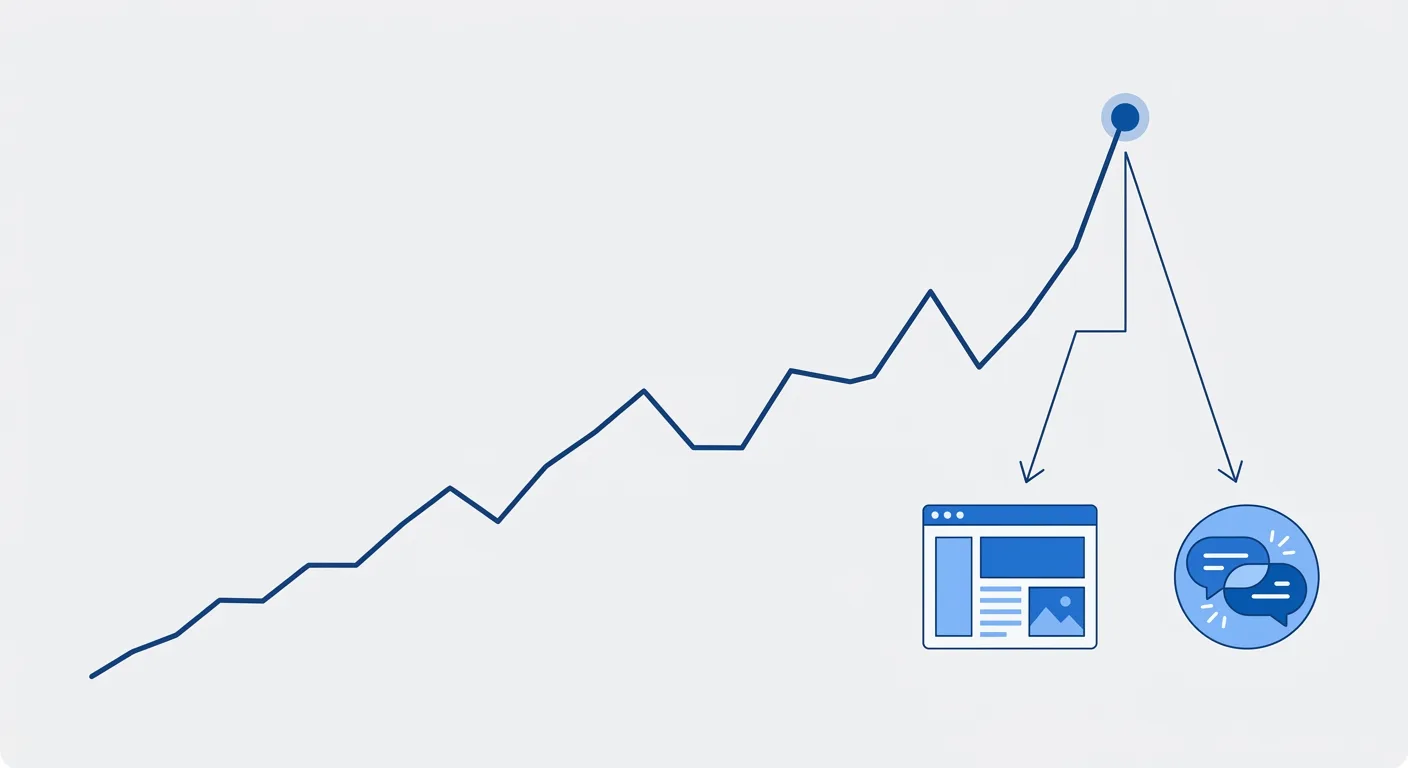 Caption: Query volume hit an all-time high (Google I/O 2026)—demand didn't disappear; what changed is where those same searches send their clicks: web pages or AI answers.
How Should Marketers Fix the Content Optimization Piece?
Fixing content optimization isn't about publishing more—it's about reshaping existing content so AI can cite it. The direction comes down to four actions, each of which you can start today.
One: lead with the answer. Put the most important point of each section in the first sentence or two. Don't make AI—or the reader—hunt for it. When AI pulls an answer, it grabs the sentence that stands on its own; a paragraph that circles around gets skipped.
Two: make each section understandable on its own. Break long content into blocks that each answer one question. In GEO this is called content chunking. Avoid relative references like "as mentioned above" or "as noted earlier," because AI often lifts just one passage without the surrounding context. For the details, see our content chunking guide.
Three: cite sources and years for your data. Attach a source and year to every number. AI is more willing to cite content with a traceable origin. A bare "according to statistics" is, to AI, the same as saying nothing.
Four: make your brand name easy for AI to lift. Naturally state who you are and what you do inside your most citable passages. That way, what users see in the AI answer is your name—free trust, earned by placement.
When we edit content for clients, the most common issue isn't that there's too little content—it's that it's well-written but hard for AI to grab. Paragraphs too long, the conclusion buried in the middle, data with no source. With the same content, just pulling conclusions to the front and splitting long paragraphs visibly changes the odds of being cited. These four steps aren't a rewrite—they're a reorganization. To do this more systematically, our GEO generative engine optimization guide lays out the full process.
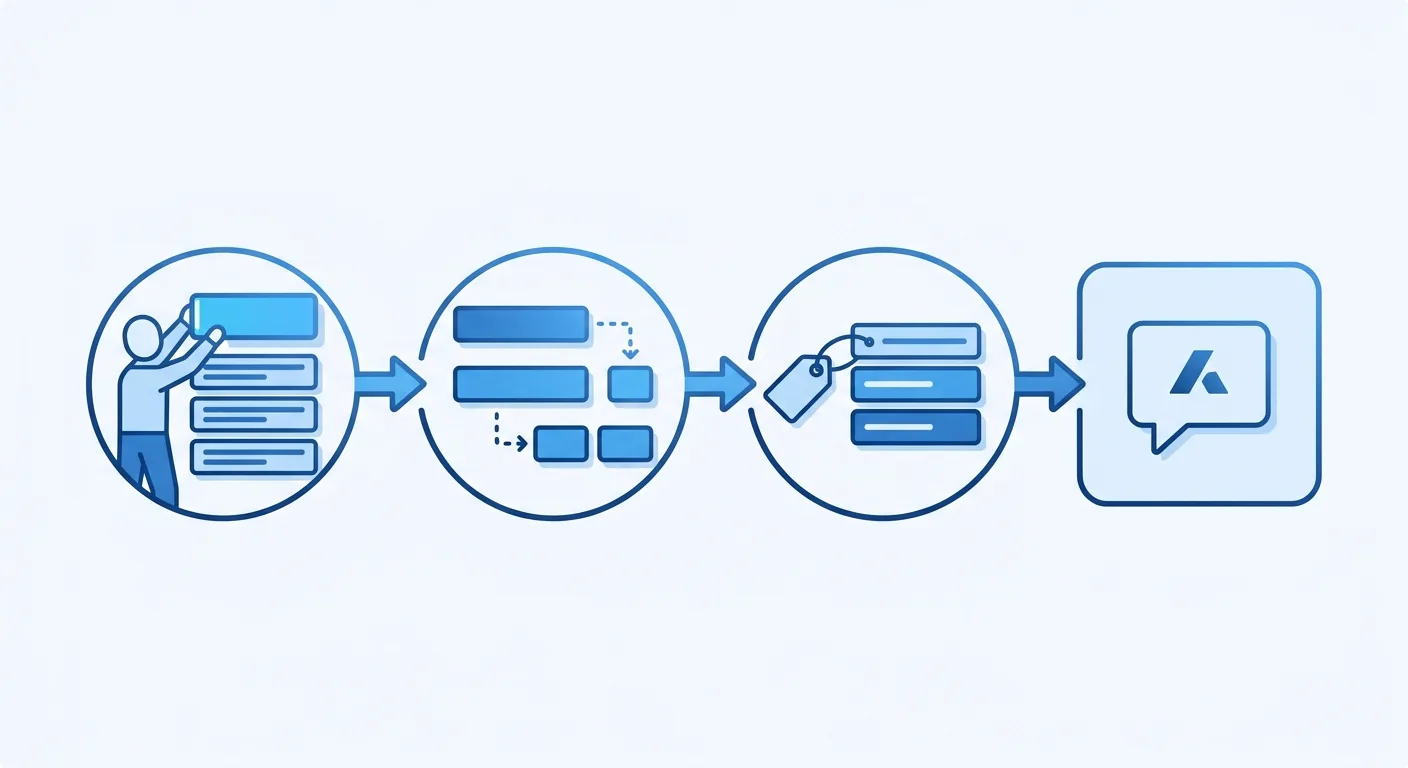 Caption: Four steps to fix content optimization (1) lead with the answer (2) chunk content so each block stands alone (3) cite sources and years (4) make your brand name easy for AI to lift.
Frequently Asked Questions
Q: I'm not in B2B tech—does this study apply to me?
That 52% figure covers B2B tech marketing decision-makers (eMarketer citing 10Fold, 2026), so you can't apply it directly to every industry. But the direction is shared: AI search is becoming a distribution channel people take seriously. You don't need to panic over the number—what matters is whether your content gets cited by AI, and that question crosses every industry.
Q: Query volume hit an all-time high—does that mean I can ignore AI search?
The opposite. Google's 2026 I/O blog says last quarter's query volume hit an all-time high, meaning search demand hasn't shrunk—but how clicks distribute has changed, with some answers delivered right inside AI summaries. Demand is still there; what you compete for is whether AI mentions you when it answers. So you should pay more attention to AI search, not less.
Q: Can I use that "73% of marketers already optimize" number?
Not as data. The 73% comes only from a single SEO agency's press release, with no disclosed methodology and no sample—it isn't a rigorous survey. The qualitative direction (marketers shifting toward AI search optimization) is real and backed by eMarketer, but for specific percentages use a source with a visible method, not that PR release.
Q: Does fixing content optimization mean an expensive rewrite?
Usually not a rewrite—a reorganization. The most common problem is content that's well-written but hard for AI to grab: paragraphs too long, the conclusion buried, data with no source. Pulling conclusions to the front of each section, splitting long paragraphs into self-contained blocks, and adding sources to your numbers visibly improves citation odds—at a fraction of the cost of rewriting.
Conclusion: Fix the Part You Can Reach First
To condense the whole piece into one line: most people already want to optimize for AI search; what actually creates the gap is whether they roll up their sleeves and edit the content.
52% of B2B tech marketing decision-makers ranking AI search #1 proves the attitude has turned. Google query volume hitting an all-time high proves search demand is still there and Google wasn't replaced. Put those together and the takeaway is concrete: the battlefield didn't disappear; what you compete for shifted from "rank first" to "get cited by AI."
And fixing content optimization doesn't wait on budget or a redesign. Lead with the answer, chunk your content, cite sources, mention your brand—you can start today. The gap is real, but it's also the opening: while most people are still filing AI search into a slide, you're already editing content. That's the edge.
🎯 Take Action Now
Still stuck on how to edit content so AI cites it? AI SEO Hacker offers an AI-driven SEO/GEO content system—reach out on LINE for a free audit of your content optimization gaps.
👉 Free LINE Consultation: @006ljkda
Further Reading
- How AI Is Changing SEO: Content Strategy for the AI Search Era in 2026: the parent topic—the full picture of how AI reshapes search and content
- Content Chunking Guide: Make Every Section Citable by AI: turns "content optimization" into concrete paragraph-structure practice
- GEO Generative Engine Optimization Guide: the complete steps to build content that AI cites, from scratch
References
- eMarketer: AI search tops distribution channels, content optimization lags behind (2026)
- Google: Search at I/O 2026 (Google official blog)
- Underlying study: 10Fold (B2B tech marketing decision-makers)