
geo
Is Cheap GEO Worth It? Risks of Paid AI Posting [2026]
Cheap GEO services in 2026: a paper paid US$14 for 13 posts, and AI search cited one within an hour. Three risks, plus five questions to spot posting spam.
21 min
31 related articles
Cheap GEO services in 2026: a paper paid US$14 for 13 posts, and AI search cited one within an hour. Three risks, plus five questions to spot posting spam.
Multilingual SEO in 2026: ask the same AI the same question in another language and its brand pick can change. SEJ and Anthropic data, plus a 4-step check.
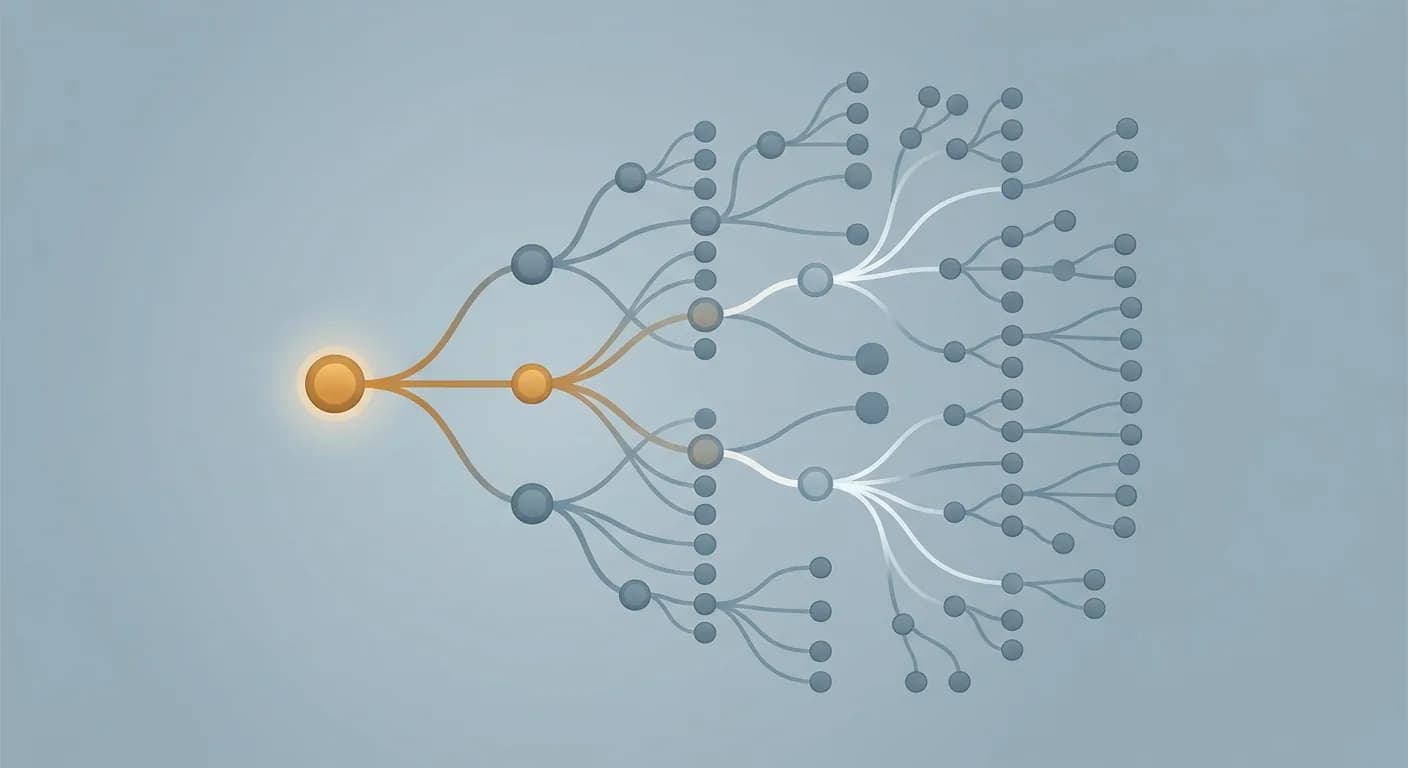
AI search does not take your question and go looking for an answer. It expands the question into a set of sub-questions, retrieves for each, then assembles a response — Google's own term for this is query fan-out. Moz tested 50,000 fan-outs and found two expansion types account for 97% of brand mentions. Here is the mechanism, the study, and a method for auditing your own coverage gaps.
A study of 1,851 sources cited by AI Mode, ChatGPT and Perplexity: only 2.8% were brand-owned pages and 59% came from third-party review sites.
August 2026 brought at least seven GEO / AI-search-optimisation launches in Taiwan inside three weeks, spanning payments, manufacturing, retail and dentistry. This is not a vendor comparison. It is a method for testing a proposal against official documentation: six questions to ask, four claims that need follow-up, and how to define an outcome you can actually verify.

In 2026, AI citing you but getting you wrong is becoming a brand's biggest hidden risk. This guide gives businesses a working playbook: why trust is now the most important visibility signal in AI search, how to build a single 'source of truth' page on your site (legal name, service scope, price range, contact info), and how to make your description consistent across platforms so AI cites you correctly instead of stitching things together.

AI Overviews vs AI Mode: what each looks like, which one Taiwanese users see, which queries get intercepted, and what the 68%, 93% and 58% figures mean.
In 2026, Google's head of Search, Nick Fox, claimed AI search sends billions of clicks a week — yet your GSC shows nothing close. This article breaks down the four real reasons for the gap and gives marketing leads a way to explain it to the boss, plus the three verifiable numbers you should track instead.

AI says your store closed or gets your address wrong? Check five AI platforms, then fix the sources: your Business Profile, website and structured data.
Want to know whether ChatGPT or Perplexity cites your website? This 2026 guide gives marketing leads a hands-on AI self-audit SOP: which prompts to ask, how to check across five AI platforms, how to log results into a tracking sheet, and what to do first when you find you aren't cited. Manual prompting, your own GA4/GSC data, and visibility tools — combined, and free to start.

AI exposure up but revenue flat? How SMEs monetize AI traffic: grow branded search, use LINE Official Account and Business Profile, track signals.
The zero-click search era is here — in 2026, 68% of US Google searches no longer send a click, because AI summaries answer the question right on the page. This article separates what the 68%, 93%, and 58% numbers actually measure, then gives small and mid-sized businesses a four-pillar action map: read the numbers, measure exposure, get cited by AI, and monetize the exposure.