![Long-Tail Keyword Strategy | The SEO Secret Weapon for Small Websites [2026]](/_next/image?url=%2Fblog%2Fimages%2Fkeyword-research%2Flong-tail-keyword-strategy-01.webp&w=3840&q=75)
The biggest fear for new websites doing SEO is that nothing seems to work.
Broad keywords are too competitive to rank for. Without traffic, there's no confidence. Without confidence, you give up.
That's where a long-tail keyword strategy becomes your lifeline.
This article explains what long-tail keywords are, why they're the best choice for small websites, and how to build a long-tail keyword strategy.

What Are Long-Tail Keywords
Definition of Long-Tail Keywords
Long-tail keywords are longer, more specific search phrases.
They typically have these characteristics:
- More words: Usually 3 or more words
- Lower search volume: Individual keyword search volume isn't high
- Clearer intent: The searcher knows what they want
Why are they called "long-tail"?
The concept comes from the "long tail theory." If you plot all keywords by search volume:
- The left side shows a few high-volume "head" keywords
- The right side shows a large number of low-volume "long-tail" keywords
Although each long-tail keyword has low search volume, there are so many of them that their combined traffic is substantial.
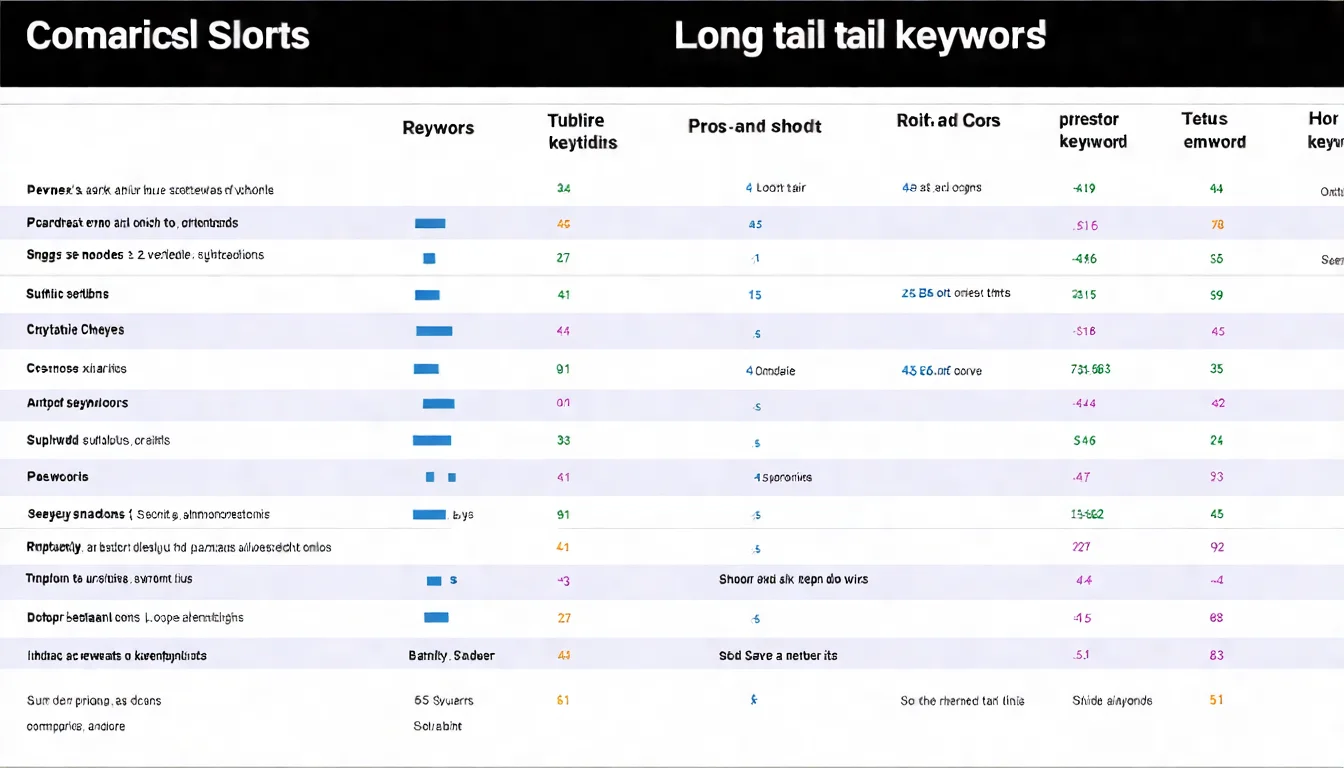
Long-Tail vs. Short-Tail Comparison
Let's illustrate with concrete examples:
| Type | Example | Search Volume | Competition | Conversion Rate |
|---|---|---|---|---|
| Short-tail (head) | Coffee maker | High | Very high | Low |
| Medium-tail | Best home coffee maker | Medium | Medium | Medium |
| Long-tail | 2026 best automatic espresso machine reviews | Low | Low | High |
Short-tail keywords:
- High search volume, but fierce competition
- Unclear search intent
- Lower conversion rate
Long-tail keywords:
- Low search volume, but lower competition
- Clear search intent
- Higher conversion rate
Practical comparison:
- Short-tail: "insurance" → Intent unclear, could be any type of insurance
- Long-tail: "best health insurance for 30-year-old women" → Very clear intent
People searching the latter know exactly what they want and are much more likely to take action.
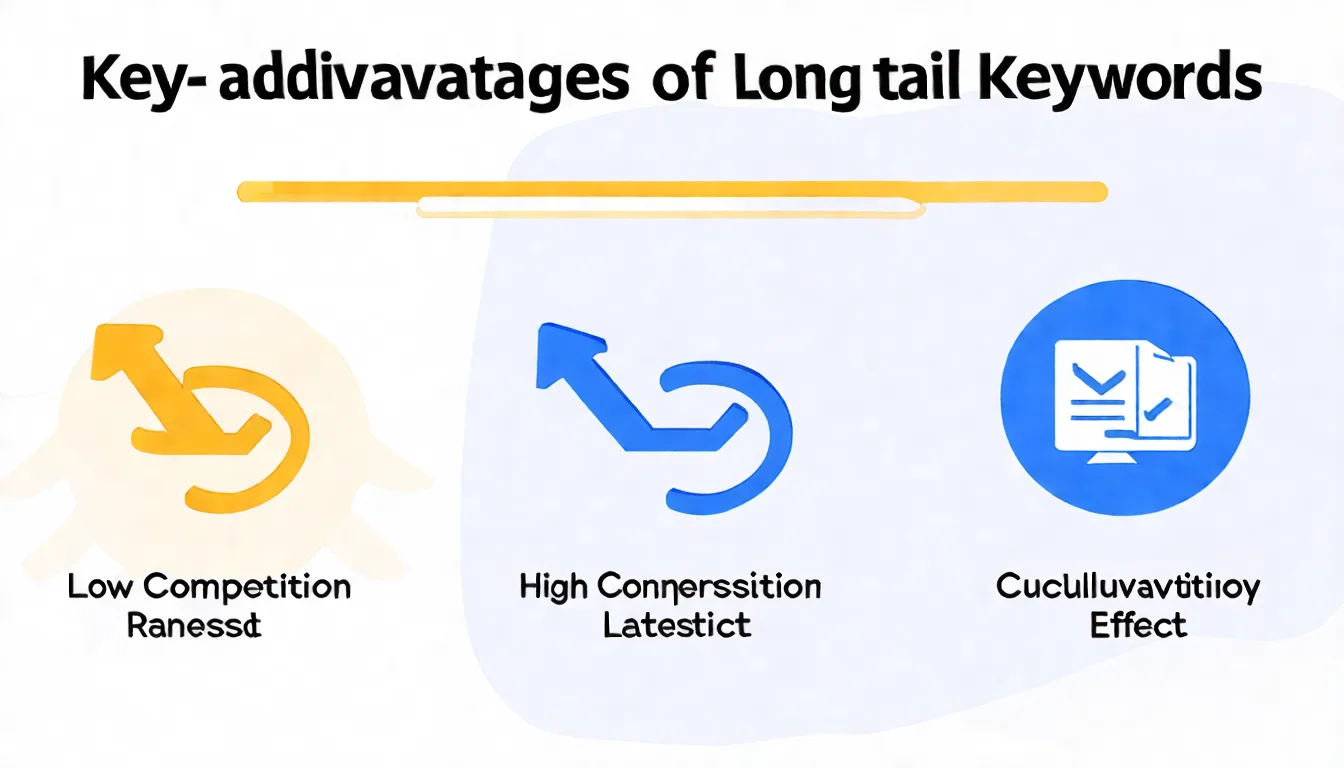
Advantages of Long-Tail Keywords
Why are long-tail keywords the best choice for small websites?
Lower Competition, Easier to Rank
Large websites typically don't target long-tail keywords
Large websites have resources, so they compete for high-volume broad keywords.
Long-tail keywords are unattractive to them because:
- Individual keyword traffic is too small
- Operational costs are relatively too high
- ROI doesn't justify the effort
This is where small websites find their opportunity.
The opportunity for small websites
Just because big sites don't target them doesn't mean they lack value.
For small websites:
- Fewer competitors
- Clear content requirements
- Easier to produce quality content
Quick rankings and traffic
Long-tail keywords typically show ranking results within 1-3 months, much faster than broad keywords.
This delivers:
- Rapid traffic accumulation
- Builds SEO confidence
- Proves the strategy works
Higher Conversion Rates
Clear search intent
Someone searching "coffee maker" might just be curious. Someone searching "Philips automatic coffee maker EP3246 review" is likely ready to buy.
Long-tail keyword searchers typically:
- Know what they want
- Have already done preliminary research
- Are closer to a purchase decision
Closer to the buying decision
In the buyer's journey, long-tail searches usually appear in the later stages.
Buyer's journey:
- Awareness: "coffee maker" (short-tail)
- Consideration: "best home coffee maker" (medium-tail)
- Decision: "where to buy Philips coffee maker cheapest" (long-tail)
Visitors from long-tail keywords naturally have higher conversion rates.
Higher traffic quality
100 targeted visitors > 1,000 random visitors
Long-tail strategy delivers:
- Visitors with clear needs
- Visitors willing to read in-depth
- Visitors likely to convert
Impressive Cumulative Effect
Individual article traffic may be small
Each long-tail article might bring only 10-50 monthly visits. Sounds small.
Multiple articles add up significantly
But if you have 100 long-tail articles:
- Conservative estimate: 100 articles x 20 visits = 2,000 monthly visits
- And this is targeted, high-converting traffic
Building topical authority
When you've written numerous long-tail articles around a single topic:
- Google considers you an expert in that area
- Overall rankings for related topics improve
- You can even start competing for broader keywords
This is the compound interest effect of long-tail strategy.
How to Find Long-Tail Keywords
Now that you know the benefits of long-tail keywords, how do you find them?
Google Autocomplete
Type your main keyword and see extensions
In the Google search box, type your topic keyword and see the autocomplete suggestions.
For example, typing "keywords" might show:
- keyword research
- how to find keywords
- keyword planner
- keyword optimization
These are all more long-tail than just "keywords."
Use question starters
Starting with question words reveals more long-tail keywords:
- "how to + keyword"
- "what is + keyword"
- "why + keyword"
- "best + keyword"
For example:
- "how to do keyword research"
- "how to find long-tail keywords"
- "what is SEO"
Record all related suggestions
Use a spreadsheet to record all the long-tail keywords you discover for later filtering and planning.
Answer The Public
Visualized question keywords
Answer The Public is a tool specifically designed to show question-based keywords.
Enter a topic and it will display:
- What-related questions
- How-related questions
- Why-related questions
- When-related questions
- Where-related questions
Rich source of content inspiration
These questions directly serve as:
- Long-tail keywords
- Article titles
- Content directions
Each question represents a real search need.
Competitor Analysis
Find their long-tail rankings
Analyze competitor websites to see which long-tail keywords they rank for.
Methods:
- Use SEO tools to query
- Browse their article titles directly
- Check their FAQ sections
Discover missed opportunities
Long-tail topics your competitors cover but you haven't are your opportunities.
Especially those where their content quality is poor -- you can do better and outrank them.
Learn from their success
Study competitors' long-tail content:
- How do they structure their articles?
- What questions do they answer?
- What can you add?
Learn their strengths and improve on their weaknesses.
For more methods on finding keywords, check out how to find keywords.
Want to produce long-tail articles at scale? AI helps you do it efficiently.
👉 Learn about AI article plans
Executing a Long-Tail Keyword Strategy
After finding long-tail keywords, how do you systematically execute?
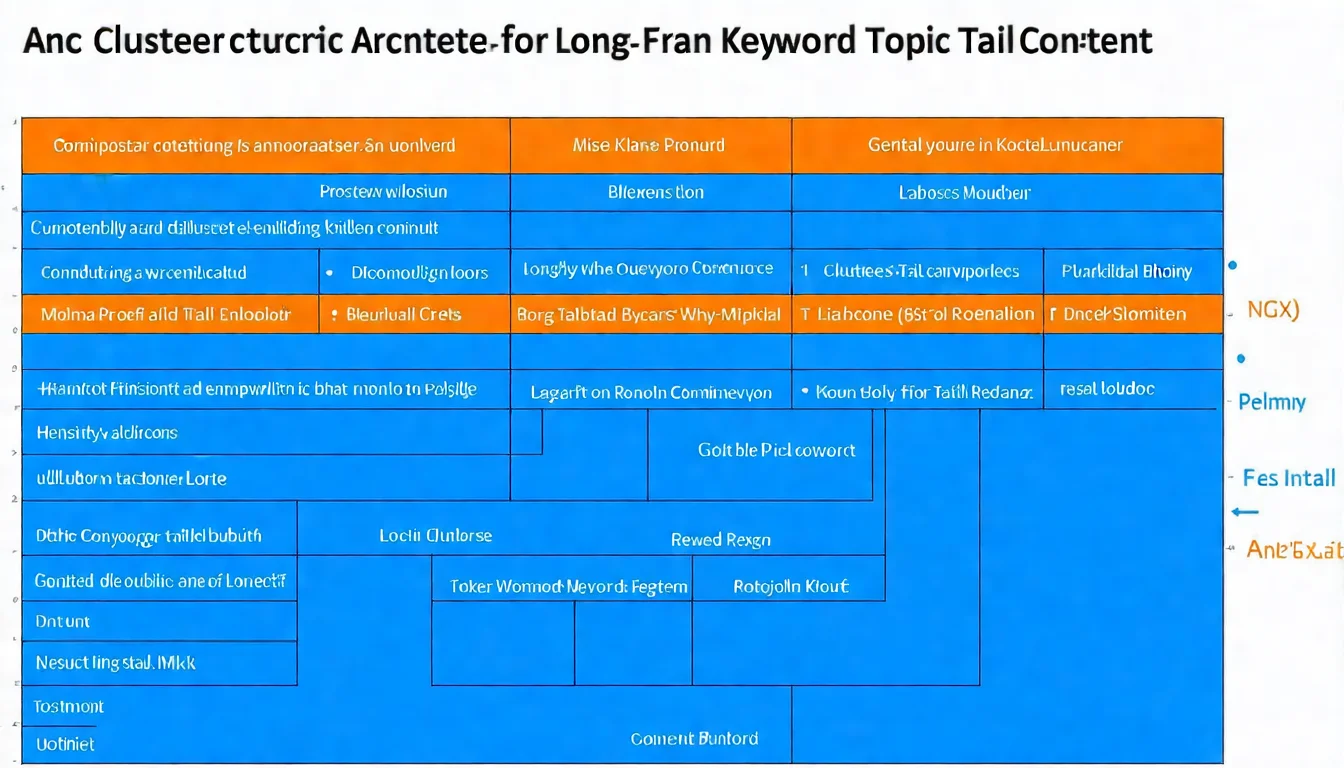
Building a Content Matrix
Core pages + supporting articles
The most effective strategy is building a "content matrix" or "topic cluster":
- Pillar Page: A comprehensive guide on the topic
- Cluster Content: Individual articles targeting long-tail keywords
For example:
- Pillar page: "The Complete SEO Guide"
- Cluster articles: "How to Write Title Tags," "Meta Description Tutorial," "H1 Tag Optimization"...
Long-tail articles support the core page
Every long-tail article links back to the pillar page, giving the pillar page more internal links.
The result:
- Long-tail articles bring targeted traffic
- Traffic and link authority flow to the pillar page
- The pillar page's rankings also improve
Internal linking network
Articles should interlink:
- Cluster articles → Pillar page (must-do)
- Cluster articles ↔ Related cluster articles (recommended)
This builds a complete content network, making it easier for Google to understand your site's topic structure.
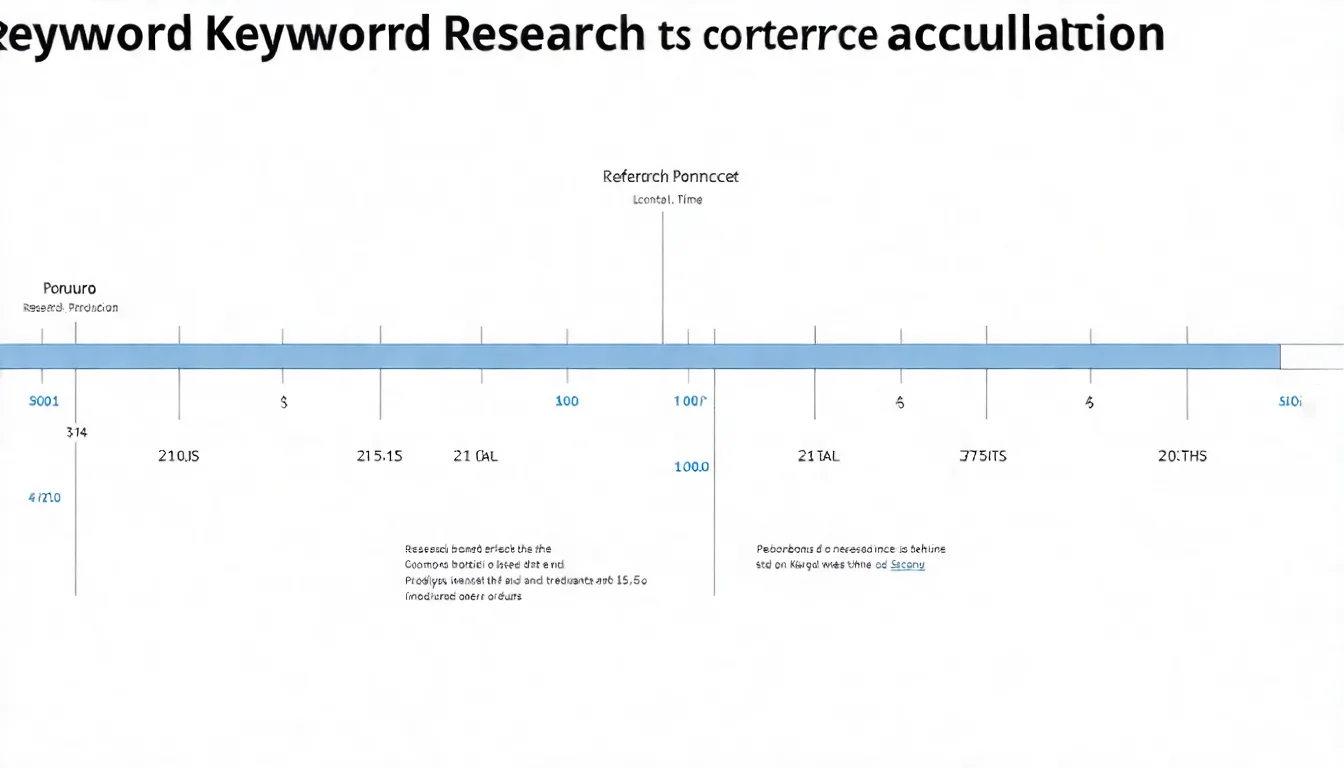
Continuous Content Production
Publish long-tail articles regularly
The key to a long-tail strategy is "volume." Recommendations:
- Publish at least 1-2 long-tail articles per week
- Continue for 3-6+ months
- Establish a consistent publishing rhythm
Cover different questions and scenarios
One topic can be approached from multiple angles:
- Tutorial angle: "How to do XX"
- Comparison angle: "XX vs YY"
- Recommendation angle: "Best XX"
- Problem-solving angle: "How to fix XX issues"
Each angle is an opportunity for a long-tail article.
Accumulate topical authority
When you've accumulated 20-50 related articles on a single topic:
- Google recognizes you as an expert in that field
- Overall related rankings improve
- You can start challenging bigger keywords
This is the compound interest effect of long-tail strategy.
Long-Tail Keyword Case Study
Here's a hypothetical case study to illustrate execution.
Scenario: You run a coffee maker review website and want to use a long-tail strategy to gain traffic.
Step 1: Define the topic
Core topic: Home coffee makers
Step 2: Find long-tail keywords
Using the methods above, you find:
- Best automatic coffee maker
- Best espresso machine for home
- How to clean a coffee maker
- Philips vs DeLonghi coffee maker
- Best coffee maker under $200
- Best office coffee maker
- Coffee maker vs coffee grinder differences ...(assume you find 30 keywords)
Step 3: Build a content plan
- Pillar page: "2026 Complete Home Coffee Maker Buying Guide"
- Cluster articles: Publish 2 long-tail articles per week
Step 4: Execute for 3 months
12 weeks x 2 articles = 24 long-tail articles
Expected results:
- Individual long-tail articles receive 10-100 monthly visits
- Total traffic: 500-2,000 monthly visits
- Pillar page ranking gradually improves
- Authority in the coffee maker space is established
Why Is Long-Tail Keyword Strategy the Best Choice for Small Websites?
Long-tail keyword strategy is the most practical, most effective SEO strategy for small websites.
Key takeaways from this article:
- Long-tail keyword characteristics: Longer, lower volume, clearer intent
- Three major advantages: Low competition for easy rankings, higher conversion rates, impressive cumulative effect
- How to find them: Google Autocomplete, Answer The Public, competitor analysis
- Execution strategy: Build content matrix, continuous production, internal linking network
Recommended action steps:
- Define your core topic
- Use the methods in this article to find 20-30 long-tail keywords
- Create a 3-month content plan
- Publish 1-2 long-tail articles per week consistently
- Evaluate results after 3 months and adjust your strategy
Long-tail strategy requires patience, but once the momentum builds, the results are remarkable.
After finding long-tail keywords, remember to use keyword analysis methods to prioritize your list.
For a more comprehensive keyword research workflow, check out the keyword research guide.
Have keyword questions? Get free answers on LINE.
![The Complete Keyword Research Guide | Learn to Find the Right Keywords From Scratch [2026]](/_next/image?url=%2Fblog%2Fimages%2Fkeyword-research%2Fkeyword-research-guide-01.webp&w=3840&q=75)
![How to Find Keywords: 5 Proven Methods to Discover the Right Keywords [2026]](/_next/image?url=%2Fblog%2Fimages%2Fkeyword-research%2Fhow-to-find-keywords-01.webp&w=3840&q=75)
![Best Free Keyword Research Tools | 2026 Complete Comparison [10 Tools]](/_next/image?url=%2Fblog%2Fimages%2Fkeyword-research%2Ffree-keyword-tools-01.webp&w=3840&q=75)