"The boss wants to know if SEO is actually working -- how do I answer?"
This is the most common question marketing professionals face. Unlike paid advertising where you can see clicks and conversions immediately, SEO results often take weeks or even months to materialize, making it difficult to prove SEO's value to stakeholders.
But with the right data analysis approach, you can clearly demonstrate the impact of your SEO investment. Want to know if your SEO investment is paying off? Get a free SEO performance diagnosis via LINE consultation and let our expert team help you find answers.
This guide covers the complete framework for SEO data analysis, from core metrics to ROI calculation, from KPI setting to report creation, helping you build a data-driven SEO strategy.
What Is SEO Data Analysis?
Definition and Importance
SEO data analysis is the process of collecting, organizing, and interpreting your website's search engine performance data to evaluate SEO strategy effectiveness and inform decision-making.
Simply put, it answers one core question: "Is what I'm doing for SEO actually working?"
The importance of SEO data analysis manifests on three levels:
- Proving value: Using data to demonstrate SEO investment returns to leadership or clients
- Optimizing strategy: Identifying what's working and what needs adjustment
- Predicting trends: Using historical data to anticipate future directions and plan ahead
The Role of Data Analysis in SEO Strategy
If SEO were a journey, data analysis would be your navigation system. It tells you:
- Where you are now (current rankings and traffic)
- Where you're headed (your goals)
- How to get there (adjustments needed)
- How far you are from the destination (progress tracking)
SEO without data analysis is like driving with your eyes closed -- you might reach your destination, but you'll more likely get lost or crash.
Common SEO Data Analysis Pitfalls
Before diving into data analysis, recognize these common pitfalls:
Pitfall 1: Focusing on rankings while ignoring traffic Ranking first for a keyword nobody searches for has limited value. What truly matters is how much traffic and conversions that ranking delivers.
Pitfall 2: Overreacting to short-term data fluctuations SEO data fluctuates daily. Dropping 3 positions today isn't the end of the world. Focus on weekly or monthly trends, not single-day data.
Pitfall 3: Only tracking vanity metrics High pageviews but low conversion rates may mean you're attracting the wrong visitors. Focus on metrics that create business value.
Pitfall 4: Data silos without integration Looking at Google Analytics separately, then Search Console separately, then third-party tools separately. Data must be integrated to see the complete picture.
Core SEO Performance Metrics
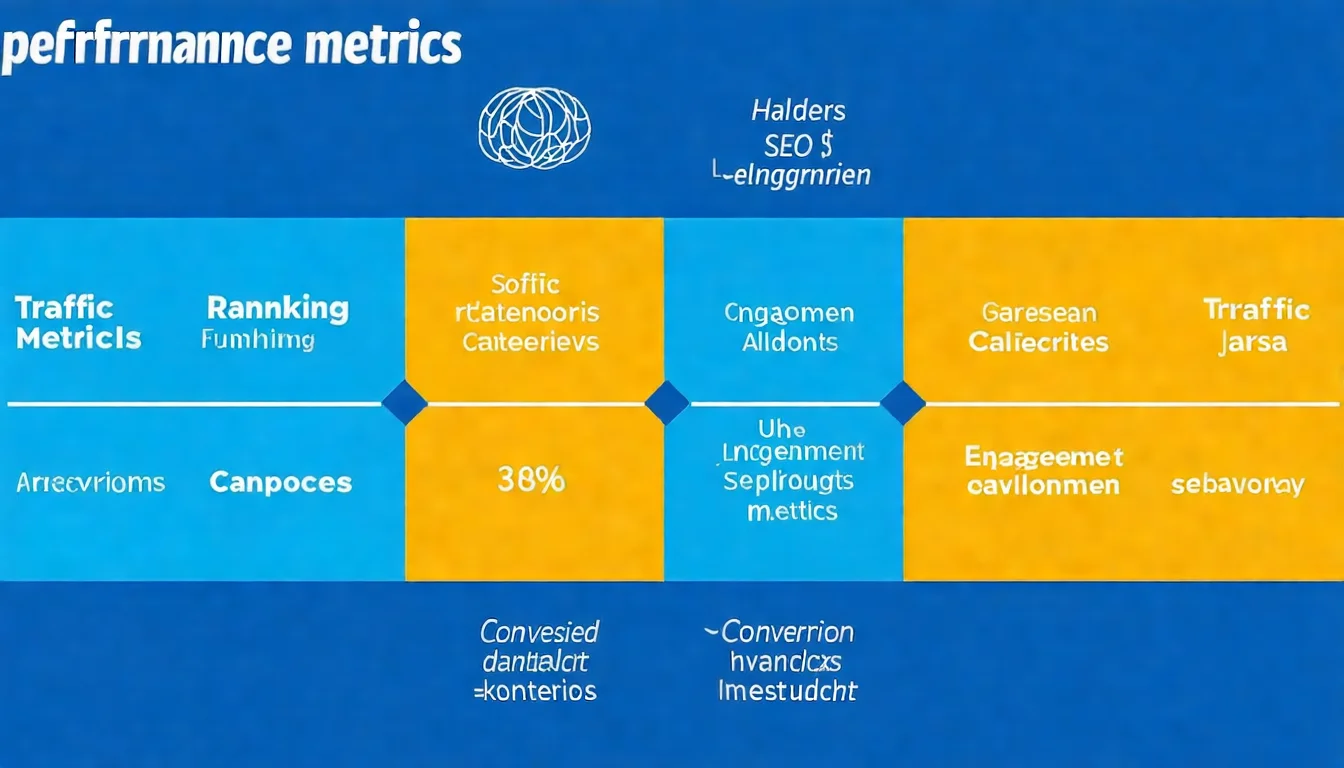
Effective SEO data analysis requires tracking four categories of metrics:
Traffic Metrics
Traffic metrics are the most intuitive SEO performance indicators, showing how many people reach your site through search engines.
Organic Search Traffic This is the most fundamental SEO metric -- the number of visitors arriving through non-paid search results. In Google Analytics 4, you can find this in the "Traffic Acquisition" report.
Key tracking points:
- Overall organic search traffic trends
- Organic search traffic by page
- Branded vs. non-branded keyword traffic
Pageviews Pageviews alone may be a vanity metric, but combined with other data, they become meaningful. For example:
- Pageviews / Users = Average pages per session
- An increase suggests visitors are more engaged with your content
New vs. Returning Visitors New visitors indicate SEO is continuously bringing in fresh traffic. Returning visitors indicate your content is valuable enough to bring people back. Both matter, and the ratio should be balanced.
Ranking Metrics
Ranking metrics reflect your visibility in search engines.
Keyword Rankings Your target keywords' positions in search results. Key considerations:
- Rankings are influenced by location and personalization -- different users may see different results for the same keyword
- Use Google Search Console or professional tracking tools for more objective data
Search Visibility This composite metric from tools like Ahrefs and SEMrush considers:
- The number of keywords you rank for
- Search volume for each keyword
- Your ranking position for each keyword
This metric provides a quick overview of overall SEO performance without checking each keyword individually.
Click-Through Rate (CTR) The percentage of impressions that result in clicks in search results. Google Search Console provides this data.
A low CTR may indicate:
- Titles aren't compelling enough
- Meta descriptions are poorly written
- More attractive competitors appear in search results
Engagement Metrics
Engagement metrics reveal visitor behavior after reaching your site, reflecting content quality.
Engagement Rate / Bounce Rate In GA4, bounce rate is the percentage of sessions that were not engaged: a session counts as engaged (and not a bounce) if it lasts longer than 10 seconds, includes a key event, or has 2 or more page or screen views. Bounce rate is simply the inverse of engagement rate, so you only need to watch one of them, usually engagement rate.
Interpret in context:
- Low engagement rate + short average engagement time = Content may not match search intent
- High engagement rate + few conversions = Content is being read but lacks a clear next step
Time on Page (GA4: Average Engagement Time) How long visitors actively engage with a page. Generally, longer time indicates more valuable content, but context matters:
- Long-form guides: 3-5 minutes is normal
- Product pages: 1-2 minutes may be sufficient
Pages per Session How many pages visitors view in a single session. Higher numbers indicate effective internal linking and content that encourages further exploration.
Conversion Metrics
Conversion metrics answer the ultimate SEO question: "Is traffic turning into revenue?"
Conversion Rate The percentage of visitors who complete a desired action. Target actions might be:
- Form submissions
- Account signups
- File downloads
- Purchase completions
Key Events The actual number of key events completed (such as form submissions or purchases). Interpret alongside conversion rate:
- Low conversions + high rate = Not enough traffic; increase visibility
- Low conversions + low rate = Traffic quality or site experience issues
Organic Search Revenue Actual revenue generated from organic search traffic. This is the key data point for calculating SEO ROI and requires proper e-commerce tracking setup in Google Analytics.
ROI and ROAS: Measuring SEO Investment Returns

What Is ROI? Return on Investment in SEO
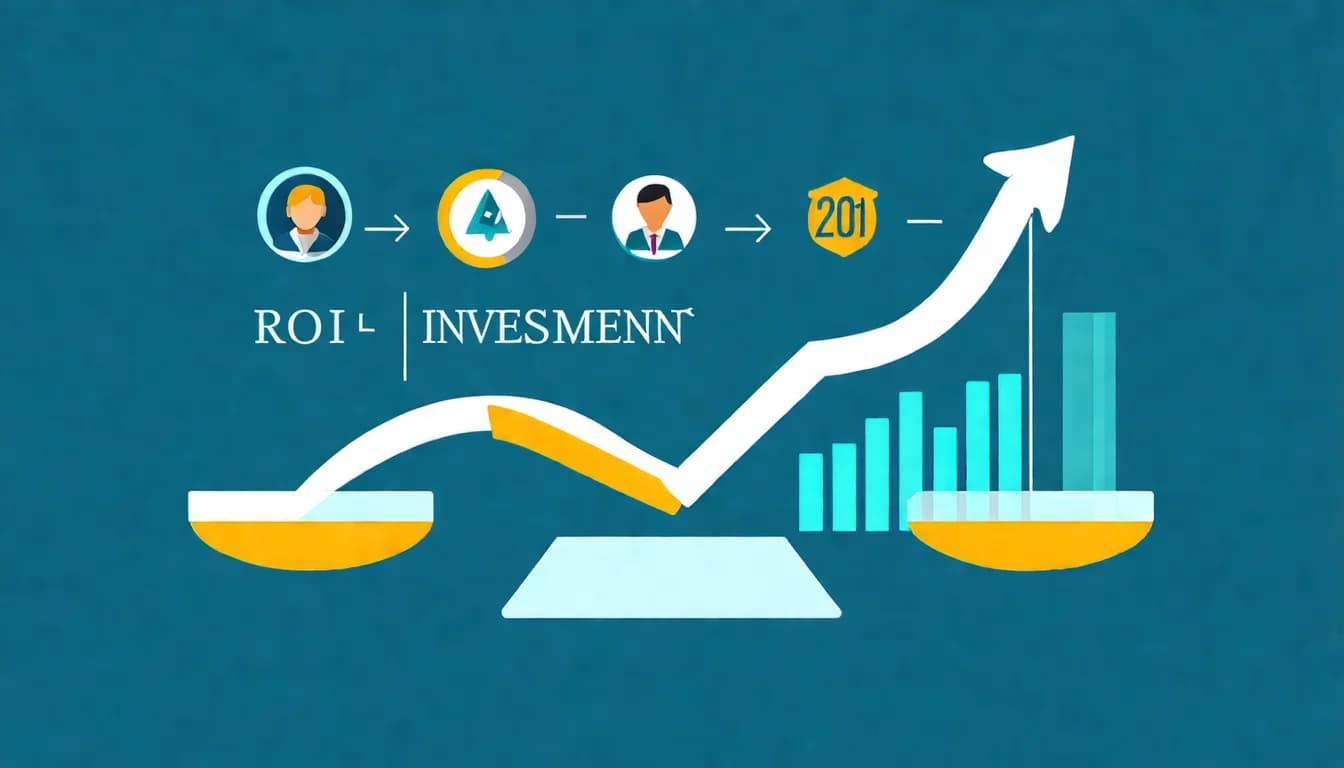
ROI (Return on Investment) is a universal metric for measuring investment effectiveness. In SEO, it answers a critical question: "For every dollar I spend on SEO, how much am I earning back?"
Explore the complete definition, calculation methods, and industry benchmarks for ROI to better evaluate your SEO investment.
The Difference Between ROAS and ROI
ROAS (Return on Ad Spend) and ROI are often confused, but they're different:
| Metric | Formula | Purpose |
|---|---|---|
| ROI | (Revenue - Cost) / Cost x 100% | Evaluate overall investment effectiveness |
| ROAS | Revenue / Ad Spend | Evaluate advertising investment effectiveness |
Example:
- Spent $10,000 on SEO, generated $30,000 in revenue
- ROI = ($30,000 - $10,000) / $10,000 x 100% = 200%
- ROAS = $30,000 / $10,000 = 3 (or 300%)
For SEO, ROI is generally more appropriate since SEO isn't purely advertising spend.
How to Calculate SEO ROI
Calculating SEO ROI requires two data sets:
1. SEO Investment Costs Including:
- Labor costs (in-house SEO staff salary or outsourcing fees)
- Tool costs (Ahrefs, SEMrush, etc. subscriptions)
- Content costs (article writing, image creation)
- Technical optimization costs (development fees for site modifications)
2. SEO-Generated Revenue Calculation methods:
- E-commerce: Order revenue from organic search traffic
- Service businesses: Organic inquiry count x close rate x average deal size
- Content sites: Ad revenue from organic search traffic
Calculation example:
Annual SEO investment for an e-commerce site:
- SEO consulting fees: $36,000
- Content production: $24,000
- Tool subscriptions: $6,000
- Total cost: $66,000
SEO-generated revenue:
- Organic search traffic: 1.2 million visits
- Conversion rate: 2%
- Average order value: $150
- Total revenue: 1.2M x 2% x $150 = $3.6M
SEO ROI = ($3.6M - $66,000) / $66,000 x 100% = 5,354%
What's a Good ROI? Industry Benchmarks
Reasonable SEO ROI ranges vary by industry, but general guidelines:
| ROI Range | Assessment |
|---|---|
| Below 100% | Strategy needs review |
| 100-200% | Passing, room for improvement |
| 200-500% | Good performance |
| Above 500% | Excellent performance |
Note that SEO benefits accumulate over time. Year 1 might only yield 100% ROI, but as content assets build up, ROI in years 2 and 3 will increase substantially.
Data analysis shows you need more content to boost ROI? Let AI help you consistently produce high-quality content to reduce content costs and improve returns.
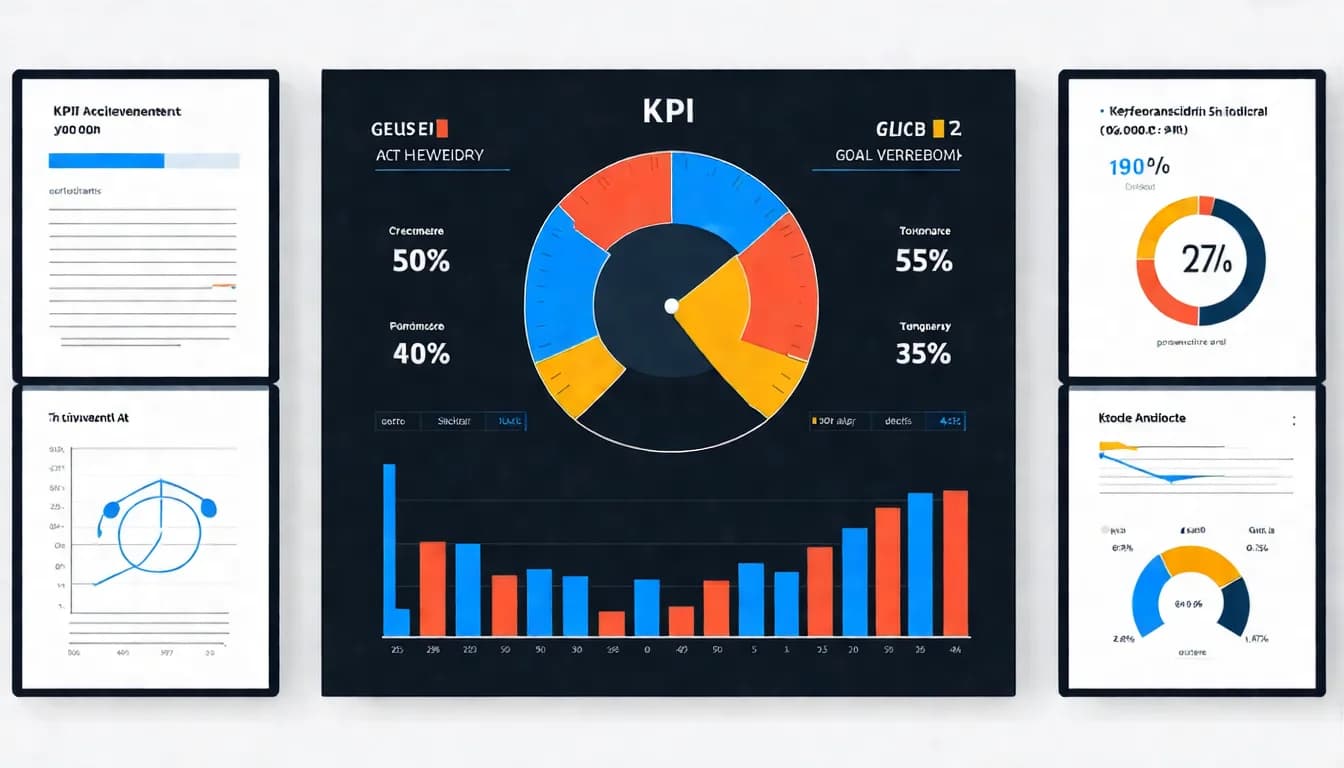
SEO KPI Setting and Tracking
What Are SEO KPIs?
KPIs (Key Performance Indicators) are specific metrics used to measure whether objectives are being met. SEO KPIs are the specific indicators used to measure SEO performance.
Good KPIs should follow the SMART framework:
- Specific: "Increase traffic" is too vague; "Increase organic search traffic" is specific
- Measurable: Must be trackable with numbers
- Achievable: Set realistic, attainable goals
- Relevant: Connected to business objectives
- Time-bound: Has a deadline
Dive deeper into KPI setting methods and common SEO KPI examples to establish effective tracking metrics.
How to Set Effective SEO KPIs
Steps for setting SEO KPIs:
Step 1: Identify business objectives Ask: "What does leadership care about most?"
- E-commerce sites: Revenue
- Service businesses: Inquiry volume
- Media sites: Traffic and ad revenue
Step 2: Select corresponding metrics Based on business objectives, choose the most relevant SEO metrics:
- Revenue-focused: Organic search revenue, conversion count
- Brand-focused: Branded keyword traffic, search visibility
- Content-focused: Pageviews, time on page
Step 3: Establish a baseline Understand current data performance as a comparison benchmark.
Step 4: Set target values Based on the baseline and growth potential, set specific goals. For example:
- "Grow Q2 organic search traffic by 30% over Q1"
- "By year-end, achieve 60% of target keywords ranking in the top 10"
Common SEO KPI Examples and Templates
Here are SEO KPI references for different business types:
E-commerce SEO KPIs
| KPI | Target | Tracking Frequency |
|---|---|---|
| Organic search revenue | 10% monthly growth | Weekly |
| Organic search conversion rate | Maintain above 2.5% | Weekly |
| Product page keyword rankings | 40% in top 3 | Monthly |
B2B Service SEO KPIs
| KPI | Target | Tracking Frequency |
|---|---|---|
| Organic search inquiries | 50/month | Weekly |
| Target keyword rankings | 70% in top 10 | Monthly |
| Average time on page | Above 3 minutes | Monthly |
Content Media SEO KPIs
| KPI | Target | Tracking Frequency |
|---|---|---|
| Organic search traffic | 1M/month | Weekly |
| New keyword rankings | 500 new/month | Monthly |
| Content impressions | 5M/month | Weekly |
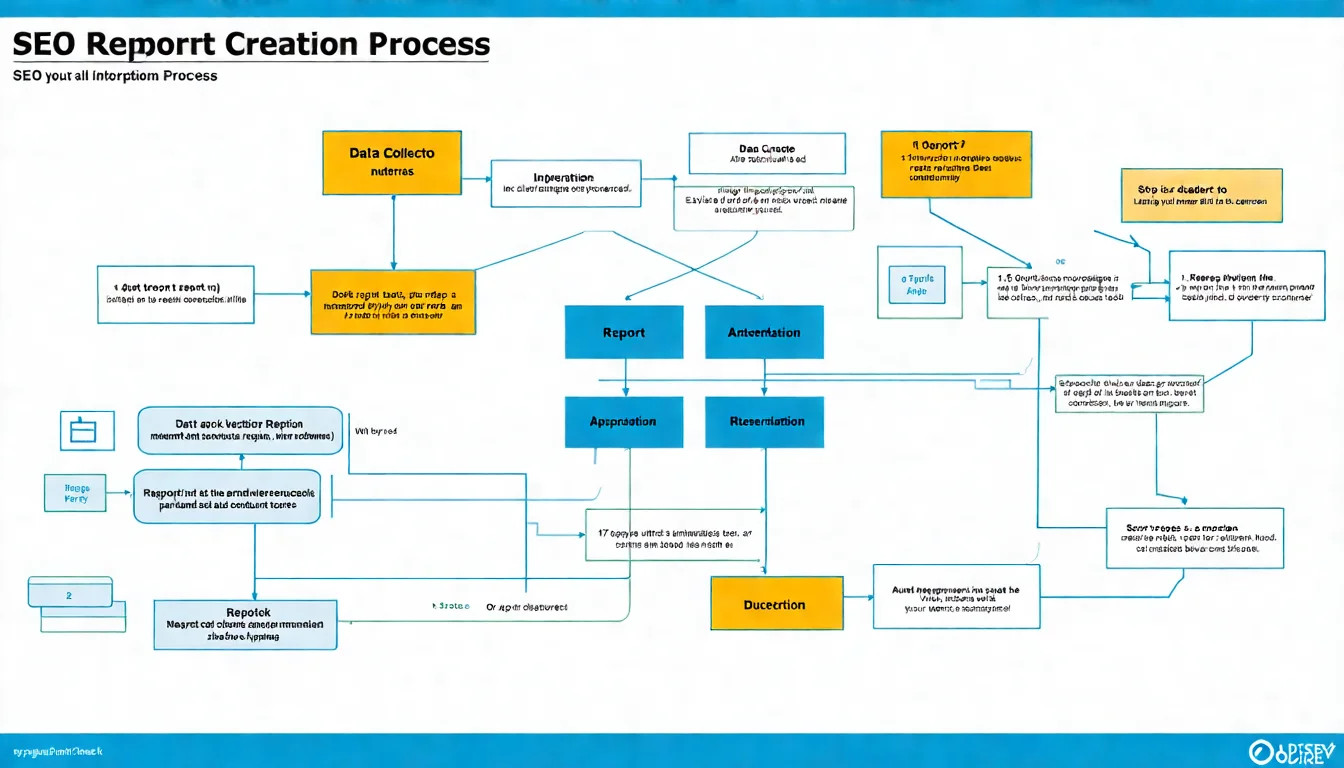
SEO Report Creation
What an SEO Report Should Include
A complete SEO report should contain the following elements:
1. Executive Summary The "highlights" for busy executives, including:
- Key achievements this period (backed by numbers)
- Important findings or issues
- Priority work for next period
2. Core Metrics Overview Key data presented through charts:
- Organic search traffic trends
- Key keyword ranking changes
- Conversion data performance
3. Detailed Data Analysis In-depth analysis of each metric:
- Which content performed well? Why?
- Which pages need optimization?
- What changes have competitors made?
4. Work Items Summary What was done this period and the results:
- How much content was published
- What technical optimizations were made
- How many backlinks were built
5. Issues and Recommendations Honest assessment of challenges with proposed solutions:
- What obstacles were encountered
- Recommended countermeasures
Report Frequency and Presentation Recommendations
| Report Type | Frequency | Content Focus | Target Audience |
|---|---|---|---|
| Weekly | Weekly | Key data snapshot, immediate issues | Execution team |
| Monthly | Monthly | Complete data analysis, performance review | Managers/Clients |
| Quarterly | Quarterly | Trend analysis, strategy adjustment recommendations | Senior leadership |
Presentation recommendations:
- Weekly: Simple table or email is sufficient
- Monthly: PPT or PDF, 10-15 pages
- Quarterly: Formal presentation with verbal briefing
Key Points for Leadership-Facing SEO Reports
Leadership typically doesn't have time for the full report. They care most about:
- Money-related numbers: How much was spent, how much was earned
- Progress toward goals: What's the achievement rate
- What they need to decide: Should budget increase, or should direction change
So, reports for leadership should:
- Lead with conclusions on page one
- Translate numbers into business language ("30% traffic growth" is less impactful than "50,000 more potential customers for free")
- Keep charts simple and instantly understandable
Need professional help creating SEO reports? Learn about our SEO services and let data speak more persuasively.
SEO Data Analysis Tool Recommendations
Google Analytics 4 (GA4)
GA4 is Google's free website analytics tool -- an SEO essential.
SEO-related features:
- Track organic search traffic
- Analyze user behavior
- Set up key events (GA4 renamed the former "conversions" to "key events")
- Build custom reports
Setup priorities:
- Link Google Search Console
- Configure key events
- Enable e-commerce tracking (if applicable)
- Create SEO-specific custom reports / explorations
Google Search Console
Search Console is Google's free SEO tool with data coming directly from Google.
Key features:
- View search performance (impressions, clicks, CTR, rankings)
- Submit sitemaps
- Check index status
- Identify technical issues
Usage tips:
- Regularly check the "Page indexing" report (formerly "Coverage") to ensure important pages are indexed
- Use the "Performance" report to find high-impression, low-click pages and optimize titles
- Monitor the "Core Web Vitals" report to make sure pages reach the "Good" status
Third-Party SEO Analysis Tools
Free tools have limitations. Professional SEO work typically requires third-party tools.
Ahrefs
- Strengths: Backlink analysis, keyword research
- Best for: Teams focused on link building
SEMrush
- Strengths: Competitive analysis, integrated marketing features
- Best for: Teams needing multi-function integration
Moz Pro
- Strengths: Site health checks, local SEO
- Best for: Teams focused on technical SEO
Screaming Frog
- Strengths: Site crawling, technical SEO diagnosis
- Best for: Technical analysis of large websites
For more tool comparisons and selection guidance, see SEO Performance Tracking Tools.
KPI Dashboard Setup Recommendations
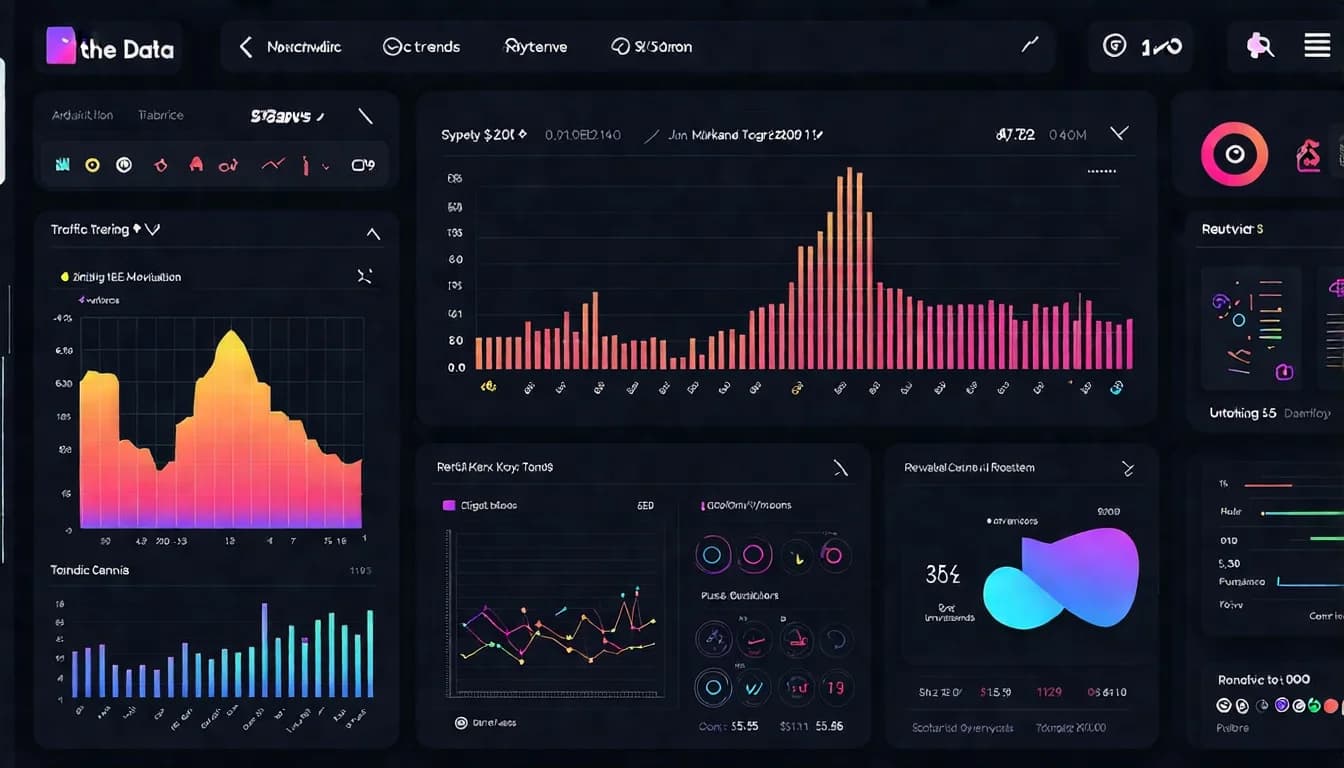
Rather than manually compiling data each time, build an automated dashboard:
Google Data Studio (Free; renamed back from Looker Studio in April 2026)
- Connects to GA4, Search Console, and other data sources
- Offers multiple chart templates
- Supports automatic updates
Recommended dashboard sections:
- Overview page: Core KPI numbers and trends
- Traffic analysis page: Traffic sources, page performance
- Keywords page: Ranking tracking, search volume
- Conversions page: Conversion data, source attribution
Competitor Analysis and Benchmarking
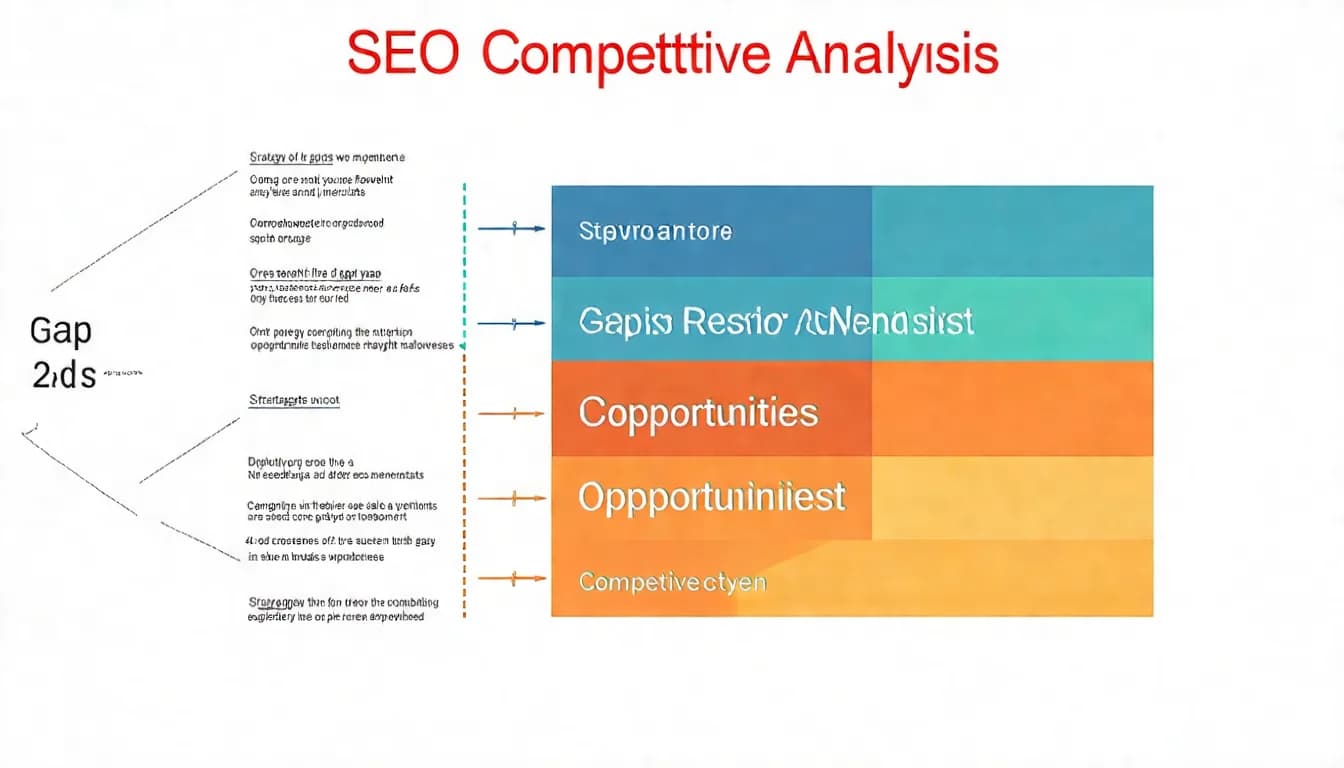
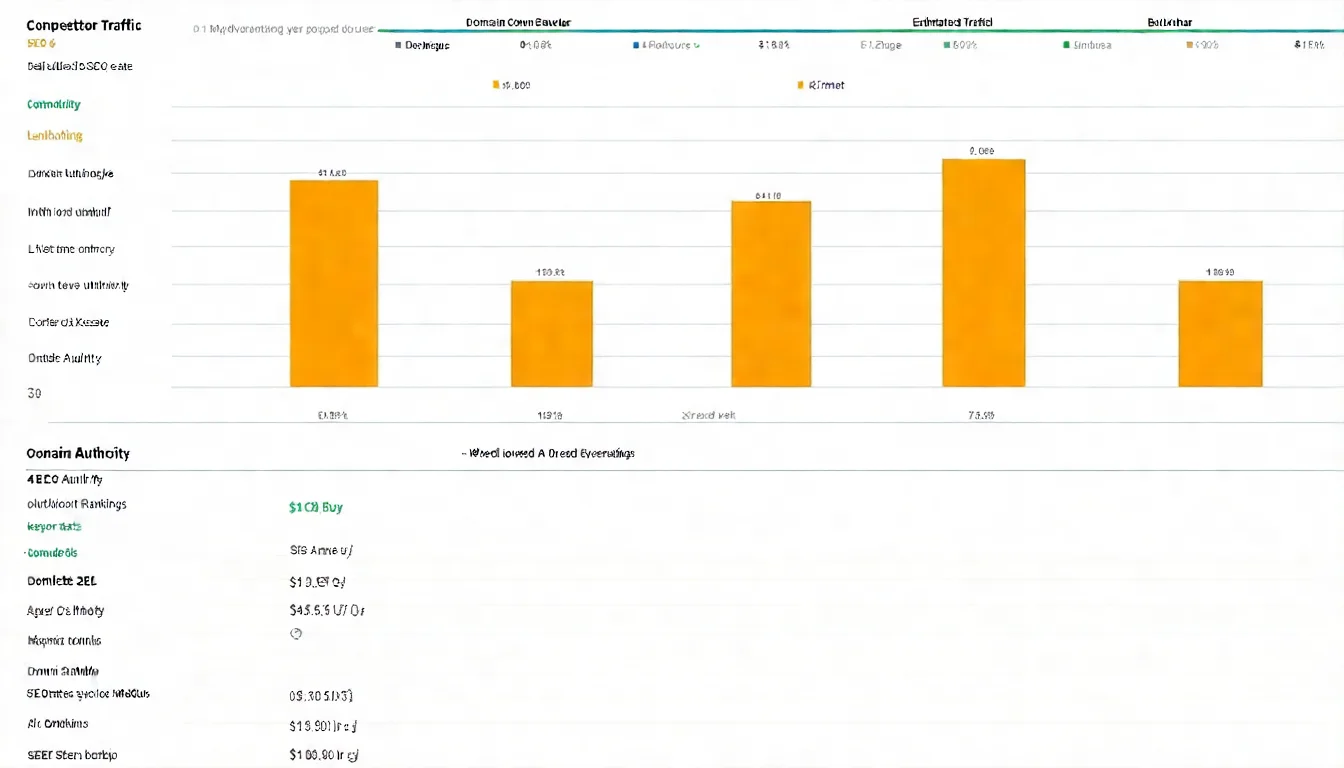
What an SEO Competitor Analysis Should Include
Know yourself, know your enemy, and you'll win every battle. A complete SEO competitor analysis should include:
1. Keyword strategy analysis
- What keywords do competitors rank for?
- Which keywords do you rank for but they don't? (Your advantages)
- Which keywords do they rank for but you don't? (Potential opportunities)
2. Content strategy analysis
- Competitors' content topic distribution
- Content length and depth
- Publishing frequency
3. Backlink analysis
- Competitors' link quantity and quality
- Referring website types
- Link growth velocity
4. Technical comparison
- Site speed
- Mobile experience
- Site architecture
How to Interpret Competitive Data
Collecting data is step one; interpretation is the key.
Finding differentiation opportunities:
- For topics all competitors cover, create better and deeper content
- Topics with search demand that competitors haven't covered are your blue ocean
Setting realistic targets:
- If a competitor has DA 70 and you have DA 30, overtaking them short-term is difficult
- Set "close the gap" targets first, not "overtake" targets
Avoiding blind imitation:
- Not everything competitors do is right
- Analyze "Is this approach working for them?" rather than "They do it, so I should too"
Building Your Own Analysis Framework
Every business is different. Build an analysis framework that suits yours:
- Define your competitor set: Not necessarily business competitors, but sites competing for the same keywords
- Select key comparison metrics: Focus on the 3-5 most important indicators
- Set tracking frequency: Monthly tracking is usually sufficient
- Build historical records: Tracking trends is more meaningful than single data points
FAQ
How Long Does It Take to See SEO Results?
In our experience, SEO usually starts showing clear progress in 3-6 months. Google's own guidance is that some changes take effect in a few hours while others can take several months, and that you should wait at least a few weeks before assessing results. The timeline depends on:
- Your starting point (new site vs. established site)
- Competition level (highly competitive keywords take longer)
- Resources invested (more effort means faster results)
New websites may see almost no results in the first 3 months -- this is completely normal. SEO is a long-term investment, not short-term advertising.
What Tools Do You Need for SEO Data Analysis?
Minimum requirements:
- Google Analytics 4 (free)
- Google Search Console (free)
Advanced setup:
- Ahrefs or SEMrush (paid, choose one)
- Google Data Studio (free, for dashboards)
- Screaming Frog (free version available)
How to Report SEO Results to Leadership?
Three principles:
- Speak their language: "Organic search traffic grew 50%" becomes "We gained 30,000 additional potential customers for free"
- Connect to business outcomes: "That traffic converted into 200 orders, generating $60,000 in revenue"
- Compare to investment: "SEO cost $10,000 and generated $60,000 -- that's 500% ROI"
Does SEO Work? How to Prove Its Value?
Use data to prove it:
- Track organic search revenue: Directly demonstrate how much money SEO generates
- Calculate ROI: Compare input vs. output
- Compare with other channels: SEO's customer acquisition cost (CAC) is typically lower than paid advertising
- Show long-term value: Content assets continue driving traffic, unlike ads that stop when you stop paying
Is ROI or ROAS Better for Measuring SEO?
ROI is more suitable. Reasons:
- ROAS specifically measures "ad spend" returns
- SEO investment isn't just "spend" -- it includes time, content, and other assets
- ROI provides a more comprehensive picture of SEO investment effectiveness
How to Build a Data-Driven SEO Strategy
SEO data analysis isn't a one-time task -- it's a continuous cycle:
- Set objectives: Define SEO KPIs based on business goals
- Track data: Collect data with the right tools
- Analyze and interpret: Extract insights from data
- Adjust strategy: Optimize approaches based on insights
- Report results: Demonstrate value through reports
Master this data analysis methodology and you can:
- Clearly prove the value of your SEO investment
- Make smarter optimization decisions
- Earn the trust of leadership and clients
Data-driven SEO starts with quality content. Schedule a free consultation now and let our expert team help you build a measurable SEO strategy.
Further Reading
- What Is ROI? A Complete Guide to Return on Investment
- Marketing KPI Guide: SEO KPI Examples and Tracking Metrics
- SEO Report Guide: Templates and Presentation Techniques
- SEO Performance Tracking Tools: Essential Tools for 2026
- SEO Competitor Analysis: Methods, Tools, and Strategy
- AI Search Traffic Analysis: Tracking ChatGPT and AI Referrals
- Google Search Console Tutorial: From Setup to Reading Reports