![How to Check SEO Rankings: A Complete Guide to Keyword Ranking Queries and Analysis [2026]](/_next/image?url=%2Fblog%2Fimages%2Fseo-basics%2Fseo-ranking-check-01.webp&w=3840&q=75)
You've spent months building website content, but you still can't tell how it's performing.
Every time you try to check your keyword rankings, Google shows you different results. Or maybe you've heard that "SEO scores" are important but have no idea how to measure them.
You're not alone. The biggest blind spot for many website owners is "not knowing how to read the data."
This guide teaches you the correct way to check SEO rankings — from free tools to paid solutions. More importantly, it shows you how to interpret the data and use it to optimize your website.
SEO Ranking Fundamentals
Before diving into tools, let's clarify what "SEO ranking" actually means.
What Is SEO Ranking?
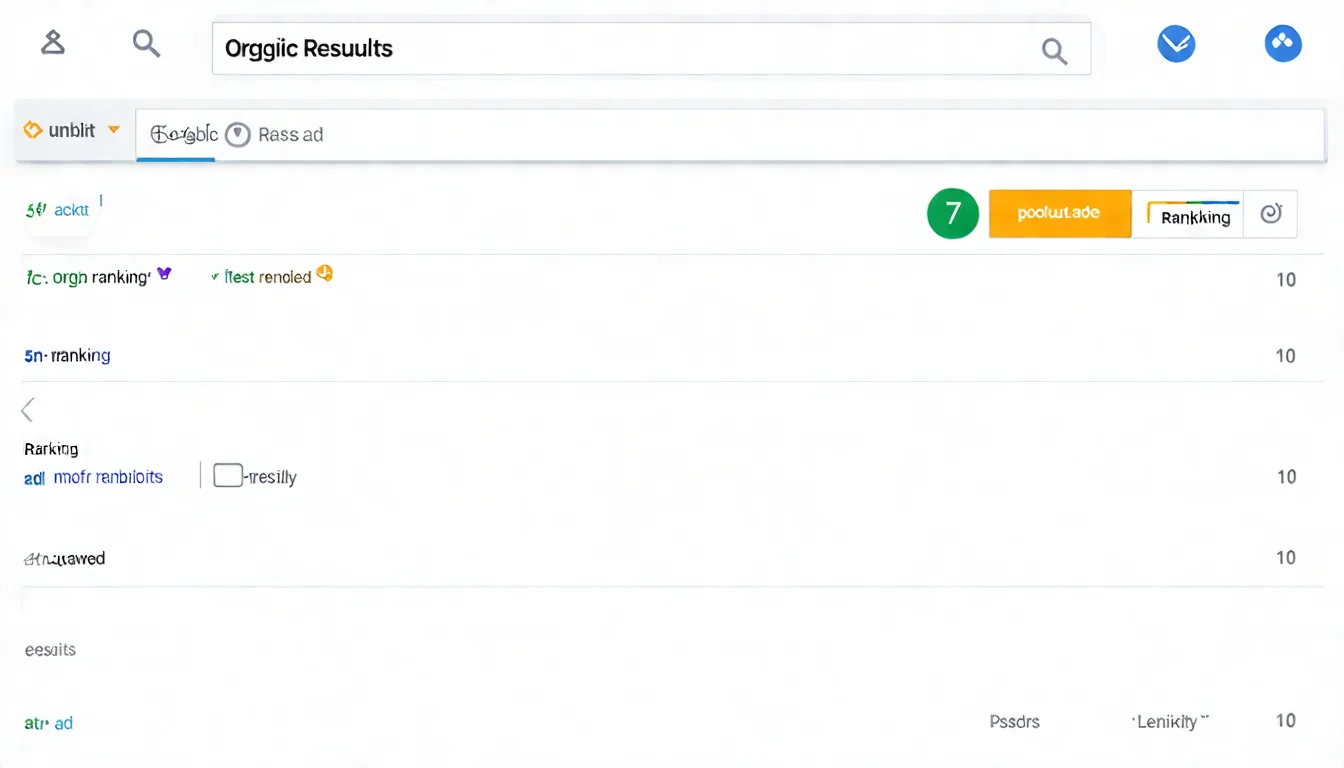
SEO ranking refers to your webpage's position on the search engine results page (SERP).
When a user searches for a keyword, Google's algorithm determines which pages best answer the user's question, then displays them in order. The higher your position, the more likely you are to get clicks.
Published click-through rate estimates vary widely, so always check the source and the conditions behind the numbers. First Page Sage (updated September 2026, US data) puts the blended CTR at about 7.1% for the first result, 3.0% for the second, and 1.7% for the third. Broken out, the first result gets only about 3.6% on results pages with an AI answer versus about 22.6% on pages without one (the same report's 2025 edition had the first result at 39.8%). Studies from before AI summaries became widespread placed the first result closer to 27%. The biggest variable is the AI answer: when an AI Overview or AI Mode response appears, click-through rates for the top listings are heavily diluted. The one thing every dataset agrees on is that once you fall to page two, click-through rates approach zero.
That's why everyone fights for "page one" — not being on page one is essentially being invisible.
One important distinction: organic rankings and ad rankings are different. Results at the top of the page marked "Sponsored" are paid ads; below those are the organic search results. SEO optimization targets organic rankings, not ads.
For more SEO fundamentals, check out What Is SEO?.
Core Ranking Factors
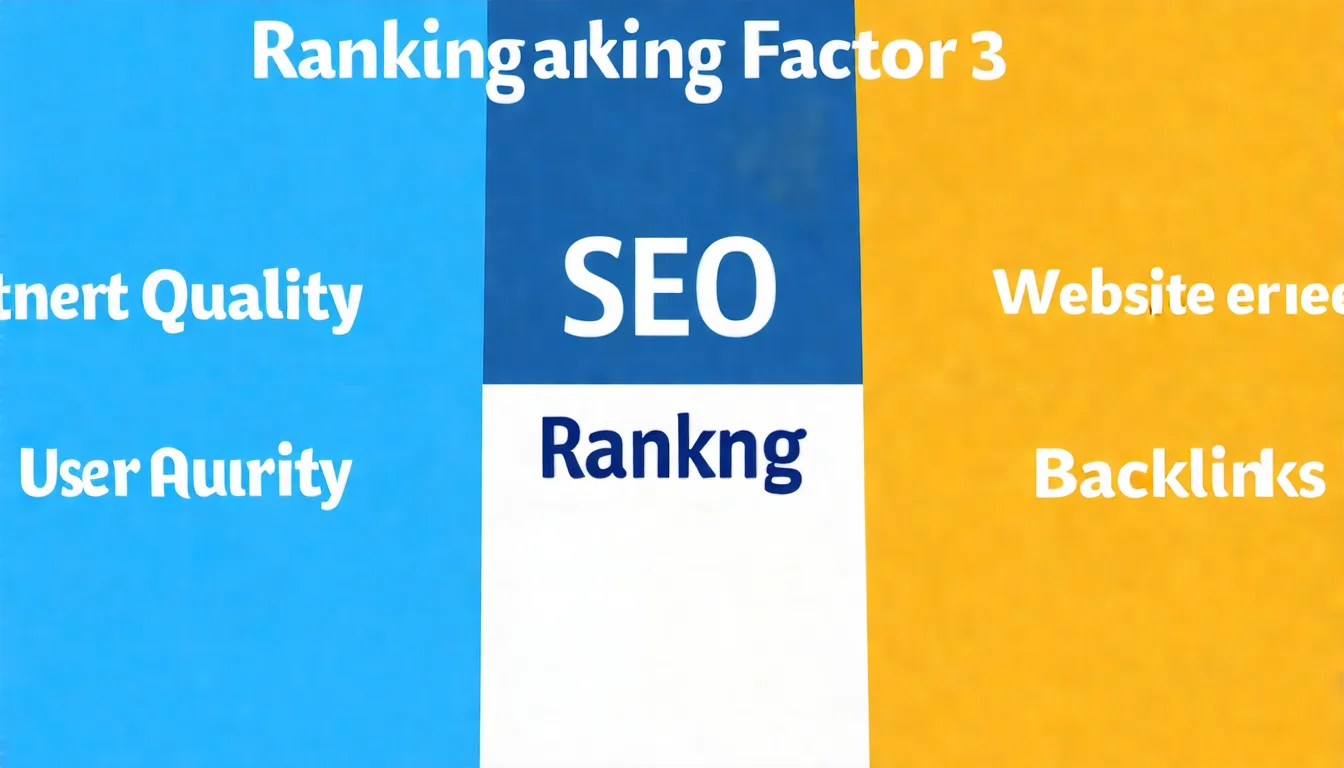
Google's algorithm uses a large number of ranking signals, but the company has never published a complete list (the long-circulated "over 200 ranking factors" figure comes from off-hand remarks by Google staff more than a decade ago, not an officially maintained number). In practice, the most critical ones fall into four categories:
1. Content Quality
Does your content genuinely solve the user's problem? Is the information complete, accurate, and valuable? This is what Google cares about most.
2. Domain Authority
The overall trust and authority of your website. Sites that have been around longer, have rich content, and are recommended by well-known websites tend to have higher authority.
3. User Experience
How visitors interact with search results. Google says it uses aggregated and anonymized interaction data to assess whether results are relevant (How Search works), but it hasn't disclosed which specific metrics (such as dwell time or bounce rate) it uses — don't treat any single metric as a ranking switch.
4. Backlinks
How many other websites link to your page? What's the quality of those link sources? This represents other sites' "endorsement" of your content.
How to Check SEO Rankings
Now that you understand the concepts, let's learn how to actually check your rankings.
Free Ranking Tools
For budget-conscious website owners, these free tools cover the basics:
1. Google Search Console (Most Recommended)
This is Google's official free tool and the most accurate data source.
Once set up, you can see:
- Which keywords bring users to your site
- Average ranking for each keyword
- Impressions and click counts
- Ranking trend changes
Setup is simple — just verify your site ownership at Google Search Console.
2. Incognito Mode Manual Checks
The most direct method is searching on Google yourself. But be careful: normal browsing mode is influenced by search history, location, and personal preferences, making the results inaccurate.
The right approach: Open your browser's "Incognito Mode," then search for your target keyword. This gives you results closer to what an average user would see.
3. Free Online Ranking Tools
Some online tools let you quickly check rankings for individual keywords:
- Whatsmyserp
- SerpRobot (no signup required, capped at 10 keywords per check and manual only; automated tracking and competitor monitoring are paid)
- Small SEO Tools
These are suitable for quick, small-scale checks but may have daily query limits.
Paid Rank Tracking Tools
If you're targeting multiple keywords and need long-term tracking, paid tools are more efficient:
1. Ahrefs Rank Tracker
Ahrefs is the gold standard for professional SEO tools. Its Rank Tracker can:
- Track hundreds of keywords simultaneously
- Update rankings daily
- Analyze competitor rankings
- View historical ranking trends
Pricing (official site, monthly billing as of July 2026): Starter $29, Lite $129, Standard $249, Advanced $449, Enterprise $1,499. Rank Tracker is included from the Lite plan upward.
2. SEMrush Position Tracking
SEMrush is another leading option, known for:
- Powerful competitor comparison features
- Device-specific tracking (desktop/mobile)
- Local ranking tracking
- Integration with other SEO features
Pricing (official site, monthly billing as of July 2026): SEO $139, Starter $199, Pro+ $299, Advanced $549. Annual billing lowers the per-month rate.
3. Moz Pro
A well-established SEO tool known for:
- User-friendly interface, great for beginners
- Proprietary metrics (DA, PA) with high reference value
- Ranking alert features
Pricing (official site, monthly billing as of September 2026): entry-level plan $49, Standard $99, Medium $179, Large $299. Annual billing lowers the per-month rate.
For websites just starting out, we recommend beginning with free Google Search Console. Consider paid tools once your keyword count grows and you need to track competitors.
Want to learn more about SEO optimization? Check out What Is SEO Optimization?.
Understanding SEO Scores and Ratings
Beyond rankings, you may have heard about the concept of "SEO scores."
What Is an SEO Score?
An SEO score is a metric various tools use to assess your website's "SEO health."
This score typically ranges from 0-100, with higher numbers indicating better SEO fundamentals. But keep these points in mind:
-
Different tools, different standards: Ahrefs' Domain Rating, Moz's Domain Authority, and SEMrush's Authority Score all calculate differently.
-
Scores aren't everything: Many #1 ranking pages don't have the highest SEO scores. Google's algorithm is more complex than any tool.
-
Use them for trend tracking: A score's best use is observing changes in your own website's trajectory, not comparing against others.
SEO Testing Tools
Here are several commonly used SEO testing tools:
1. Google PageSpeed Insights
Google's official tool, primarily testing:
- Page loading speed
- Core Web Vitals metrics
- Performance issues with improvement suggestions
Just enter your URL to test — completely free.
2. GTmetrix
A more detailed performance analysis tool:
- Complete loading waterfall chart
- Performance metric scoring
- Historical comparisons
Free accounts only get a small, time-limited trial allowance (officially 5 tests a month for the first 3 months); after that you need a paid PRO plan to keep testing.
3. Lighthouse
Built into Chrome's Developer Tools:
- Comprehensive assessment of performance, accessibility, SEO, and best practices
- Can simulate mobile testing
- Generates detailed reports
How to use: Press F12 to open Developer Tools, then find the Lighthouse tab.
Ranking Data Analysis and Optimization Strategy
Knowing how to check is just the first step. What matters more is analyzing and applying the data.
Data Interpretation Tips
After pulling data from Google Search Console or other tools, focus on these three areas:
1. Ranking Trend Analysis
A single data point means little — look at trend changes:
- Has the ranking been rising or falling over the past month?
- Were there any sudden, significant fluctuations?
- Do timing patterns align with Google algorithm updates?
Consistent improvement means your strategy is working. A sudden drop calls for investigation.
2. Competitor Gap Analysis
Identify competitors ranking above you for the same keywords:
- How does their content differ?
- Word count, images, videos used?
- What backlinks do they have?
Analyzing the differences tells you how to surpass them.
3. Discovering High-Potential Keywords
Pay special attention to keywords ranking #11-20 — these are your "hidden gems."
They're close to page one and just need a final push. Focusing optimization on these keywords often yields the best results with the least effort.
Data-Driven Optimization
With data analysis in hand, you can set clear optimization strategies:
Strategy 1: Target high-potential keywords
List keywords ranking 11-20 — these are your top priority. You can:
- Strengthen content completeness
- Add relevant internal links
- Pursue external links
Strategy 2: Optimize existing content
Articles with declining rankings don't always need rewriting. Try:
- Updating outdated information
- Adding content readers might want to know
- Optimizing the title and Meta Description
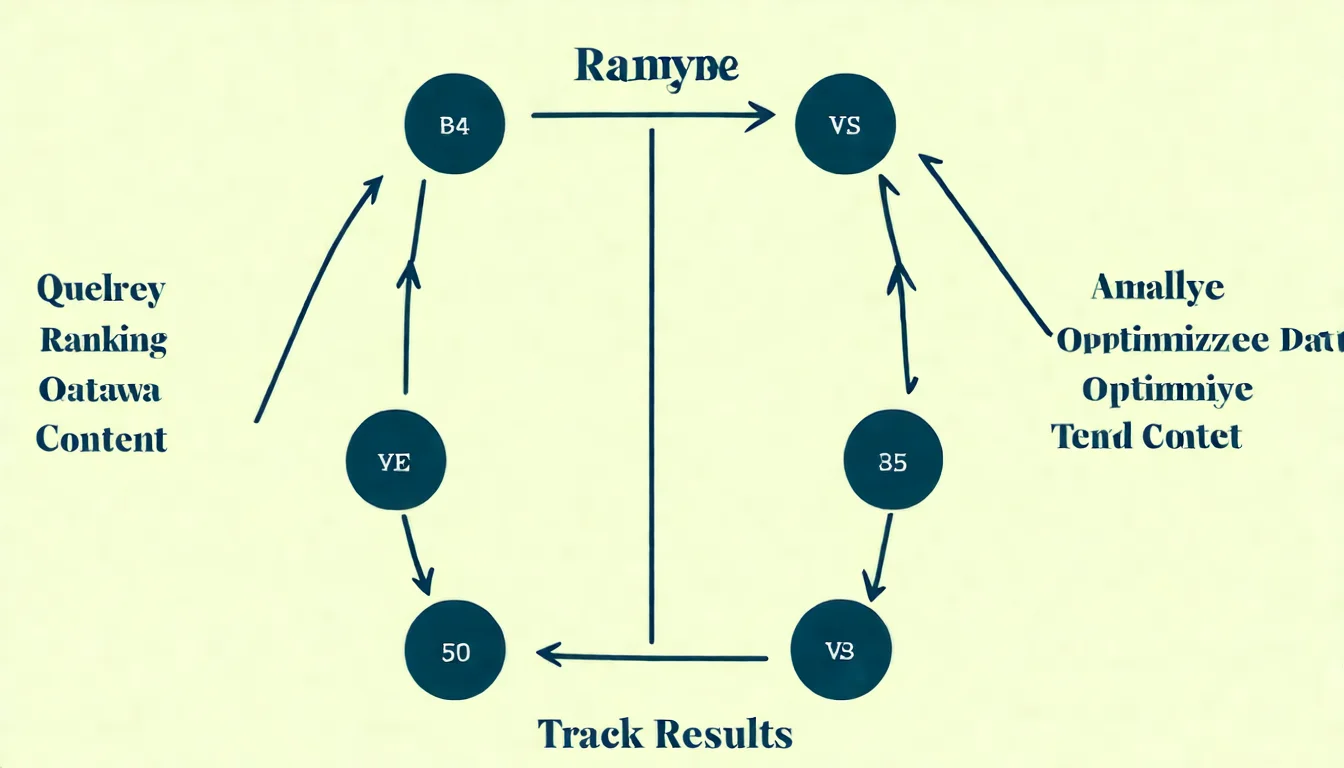
Strategy 3: Continuous tracking and adjustment
SEO isn't a one-and-done effort. Establish a regular tracking cycle:
- Check key keyword rankings weekly
- Analyze overall trends monthly
- Adjust strategy direction quarterly
FAQ
Q: How often should I check rankings?
A: We recommend checking key keywords once a week. Checking too frequently is meaningless (ranking fluctuations are normal), and waiting too long might cause you to miss important changes.
Q: What should I do if rankings keep dropping?
A: First determine whether it's individual pages or a site-wide issue. Individual pages may have outdated content or face increased competition. A site-wide decline suggests checking for technical issues or algorithm impacts.
Q: Different tools show different rankings — which one is accurate?
A: Trust Google Search Console data — it's the closest to reality. Other tools may show different rankings due to query timing, location, or IP differences.
Q: My SEO score is high but rankings are poor — why?
A: SEO scores only assess the technical side. Rankings also depend on content quality, search intent matching, competition level, and more. A high score is just the foundation — it doesn't guarantee rankings.
How to Use SEO Ranking Data to Guide Optimization
Checking SEO rankings isn't just about satisfying curiosity — it's about letting data guide your optimization direction.
Key takeaways:
- SEO ranking is your page's position in search results — only page one delivers traffic value
- For free tools, Google Search Console comes first; paid tools suit advanced needs
- SEO scores are reference indicators, not the sole standard
- Analyzing trends, finding hidden gems, and continuous tracking are what truly matter
Remember: without data, optimization is just guessing. Build the habit of regularly reviewing and analyzing data, and your SEO results will keep improving.
Want to continuously track your SEO performance? Start with a foundation of quality content. Let AI help you produce articles that match search intent.
Learn about AI SEO content plans
Have any SEO questions? Feel free to join our LINE official account for free answers:
![What Is SEO? The Complete Beginner's Guide to Search Engine Optimization [2026]](/_next/image?url=%2Fblog%2Fimages%2Fseo-basics%2Fwhat-is-seo-01.webp&w=3840&q=75)
![What Is Parasite SEO? 38 Fake Sites Are Poisoning AI Insurance Answers [2026]](/_next/image?url=%2Fblog%2Fimages%2Fseo-basics%2Fparasite-seo-ai-01.webp&w=3840&q=75)
![How to Choose an SEO Company: A Complete Guide to Costs and Performance Evaluation [2026]](/_next/image?url=%2Fblog%2Fimages%2Fseo-basics%2Fhow-to-choose-seo-company-01.webp&w=3840&q=75)