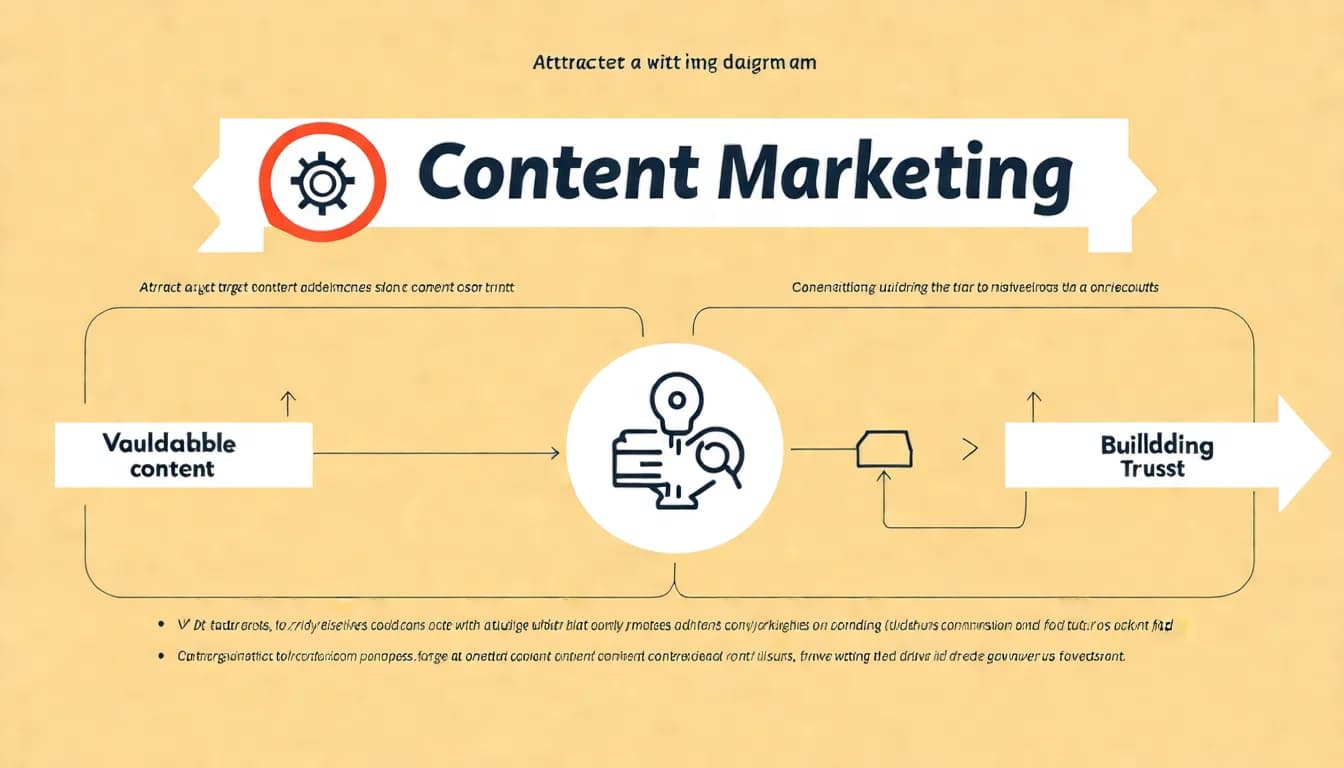
Spending money on ads but seeing diminishing returns? Customer acquisition costs keep rising?
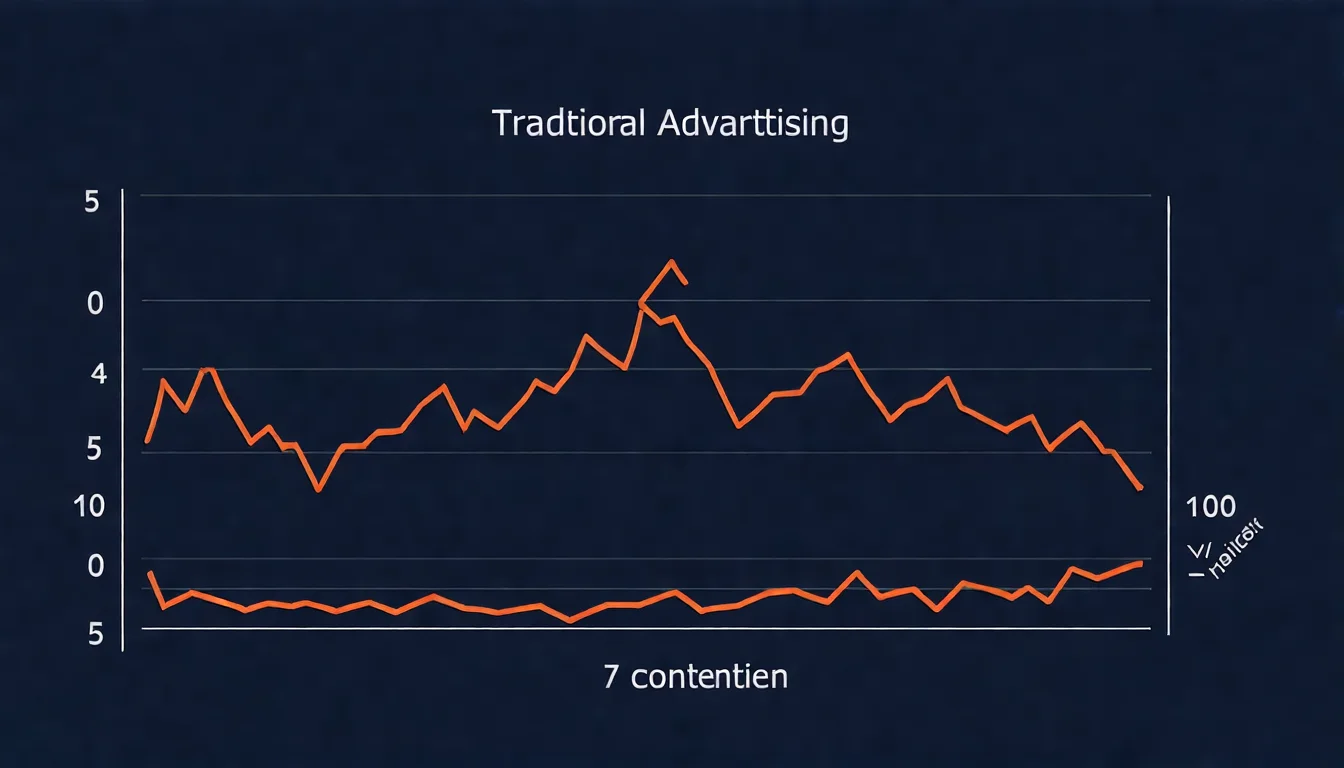
This is a common pain point for business owners. Traditional advertising is like renting a house — when you stop paying, the traffic stops. Content marketing is different — it's like buying a house. Your assets accumulate, and returns grow over time.
This guide covers everything about content marketing: the concept, step-by-step strategy planning, and how to accelerate execution with AI tools.
What Is Content Marketing?
The Core Concept
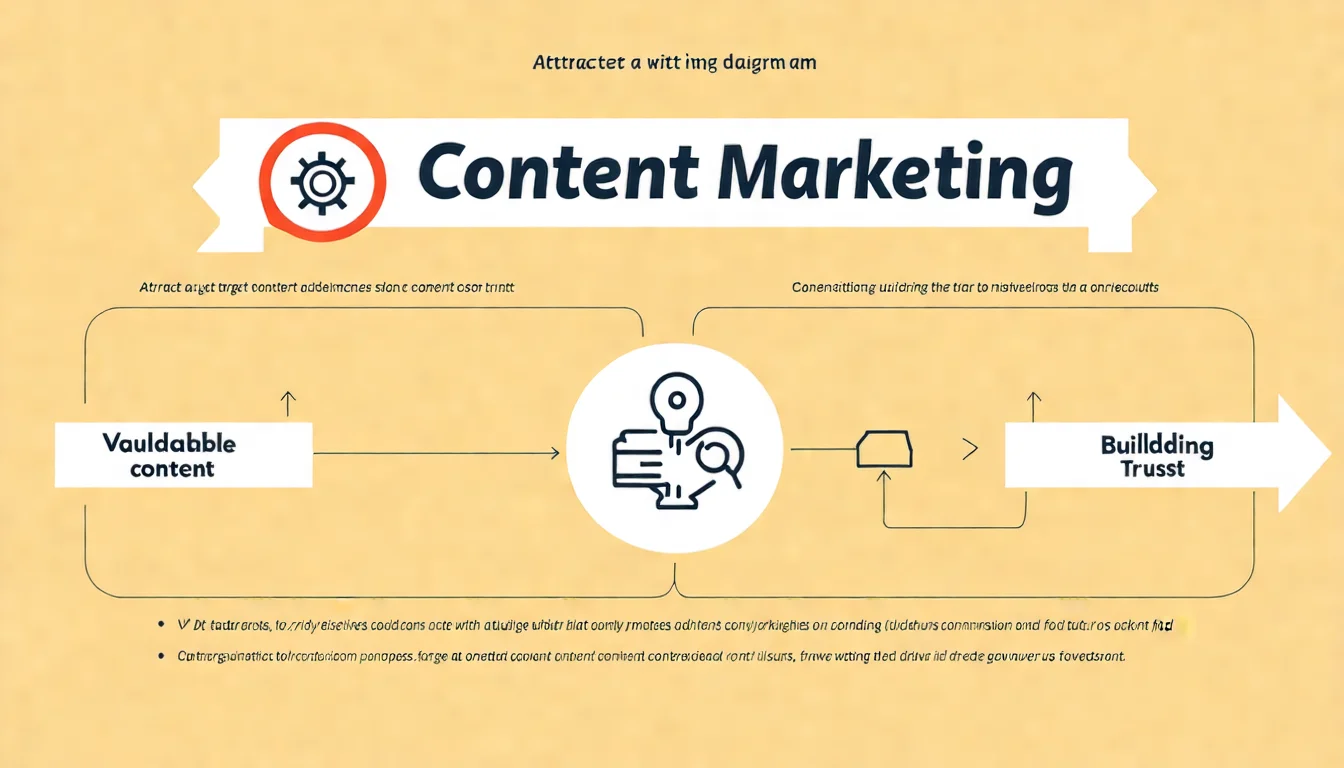
Content marketing is a marketing approach that creates and distributes valuable content to attract and retain a target audience.
Its core philosophy: attract through value, rather than interrupting with sales pitches.
Traditional advertising interrupts what you're doing to push a message at you. Content marketing provides answers when you're actively searching for solutions.
Content marketing takes many forms:
- Blog articles
- Newsletters
- Social media posts
- Video content
- Podcasts
- E-books and whitepapers
Regardless of format, the core remains: provide value, build trust, and ultimately drive conversions.
Content Marketing vs. Traditional Advertising
Why are more businesses choosing content marketing? Consider this comparison:
| Aspect | Traditional Advertising | Content Marketing |
|---|---|---|
| Model | Interruption-based (disrupts user experience) | Attraction-based (users come to you) |
| Impact | Short-term (stops when ads stop) | Long-term (content continues driving traffic) |
| Cost | Increases over time (bidding gets more expensive) | Decreases over time (assets keep accumulating) |
| Trust | Lower (users know it's an ad) | Higher (provides genuine value) |
| Control | Platform-dependent (algorithms decide) | Self-controlled (content is yours) |
The key difference: Traditional advertising "rents traffic" while content marketing "builds assets."
A well-written blog post can drive traffic from Google for years, while ads stop the moment you turn them off.
Why Businesses Need Content Marketing
1. Consumer behavior has changed: search before you buy
Modern consumers Google before they purchase.
- In a 2023 PowerReviews survey of 8,153 US consumers, roughly 87% said they "often or always" research online before buying (there is no equivalent public statistic for Taiwan, so treat this as a directional reference)
- They search for "best XX," "XX reviews," "how to choose XX"
If your brand appears in these search results, you'll be visible at the critical moment of purchase decisions.
2. Rising ad costs demand more efficient customer acquisition
Facebook and Google ad costs increase year over year, with CPC (cost per click) getting more expensive.
Content marketing offers an alternative: free organic search traffic through SEO.
3. Building brand authority
Consistently publishing expert content makes potential customers think: "This company really knows their stuff."
That kind of professional reputation can't be bought with ads.
No time to do content marketing yourself? Get a free AI content consultation via LINE.
👉 Free LINE Consultation: @006ljkda
5 Key Advantages of Content Marketing
Builds Brand Trust and Authority
When you consistently share valuable professional content:
- Readers see you as an expert in the field
- When they have a need, you're top of mind
- This trust can't be bought with advertising
Example: An accounting firm that regularly publishes tax guidance articles becomes the natural choice when business owners have tax questions.
Compounding SEO Benefits
SEO and content marketing are a perfect match.
Quality content can:
- Earn Google search rankings
- Continuously drive free organic traffic
- Cover more keywords as content grows
This is a compound interest effect — an article written today may still be bringing you clients 3 years from now.
Lower Customer Acquisition Cost (CAC)
Content marketing's customer acquisition cost is far lower than advertising.
The cost to produce an article is fixed, but it can continue attracting visitors for years. On average, the cost per visitor is extremely low.
Moreover, visitors from content are typically more qualified — they arrived by searching for relevant problems.
Higher Customer Lifetime Value (LTV)
Content isn't just for acquisition — it's for retention too.
- Newsletters keep clients thinking of you
- Educational content helps clients use your product better
- Advanced content encourages upgrades and upsells
Great content turns customers into long-term clients and even brand advocates.
Content Asset Compound Effect
Content is an asset that accumulates.
- With a single article: you cover a narrow set of keywords, and traffic depends entirely on that one page
- After a dozen or so: you cover most subtopics within a theme, so traffic sources spread out and one ranking drop hurts less
- After a hundred or so: you have a full topic matrix, and the overall scale of organic traffic is in a different league
One caveat: this is not a linear "articles × fixed traffic" projection. Actual growth depends on industry competition, content quality, and site authority — and with AI-generated search summaries now common, click-through rates on informational queries have been falling. Treat this as a direction, not a promised outcome.
Articles can also link to each other, forming an internal link network that further boosts overall SEO performance.
5-Step Content Marketing Strategy
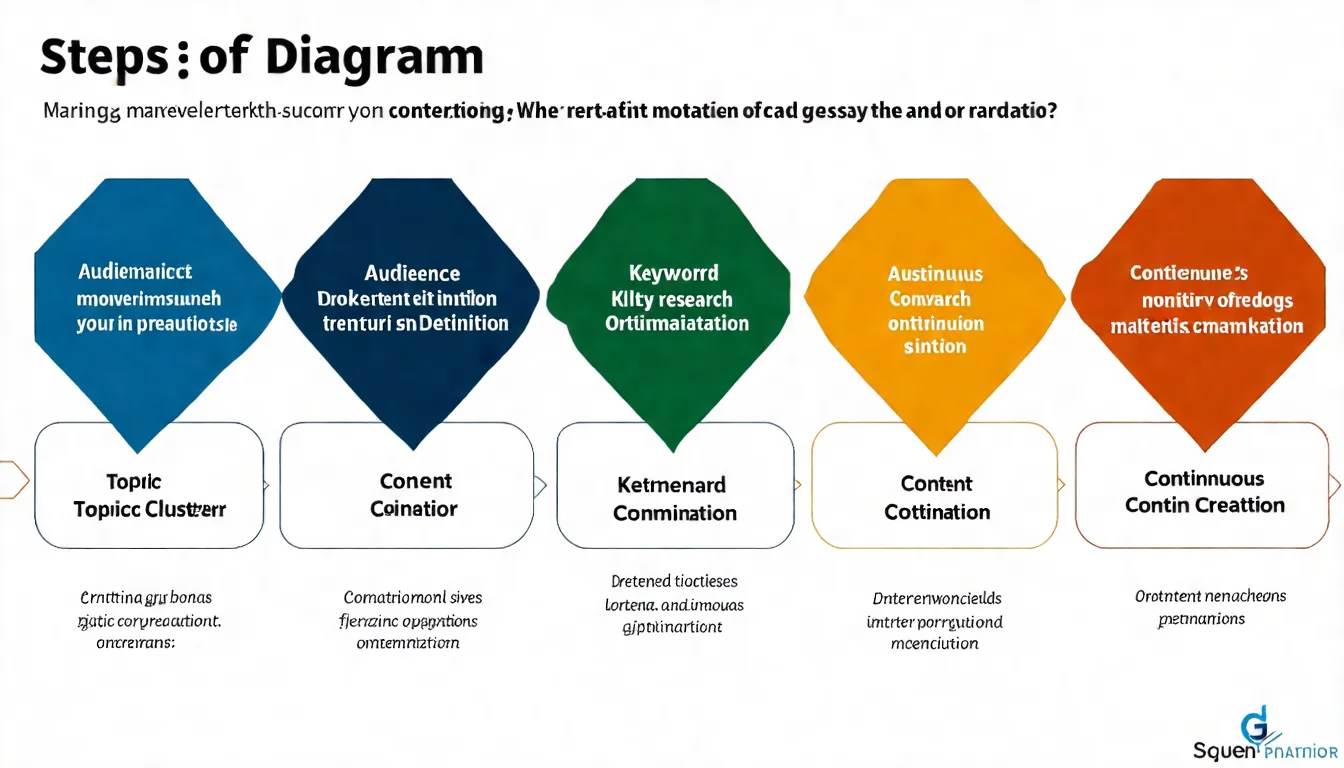
Now that you know the benefits, how do you get started? Here's a systematic planning process.
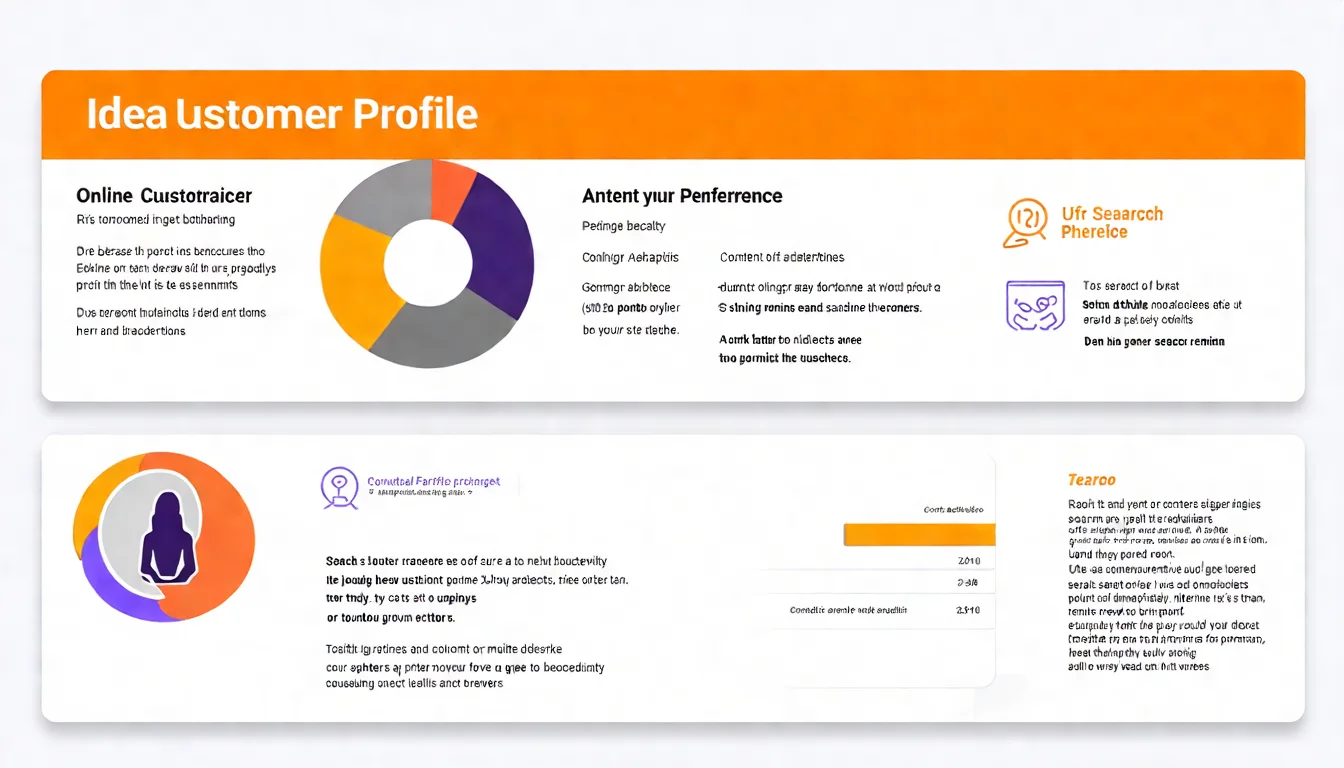
Step 1: Define Your Target Audience and Persona
Who is your ideal customer?
Before creating content, figure out who you're writing for.
Build a customer persona:
- Demographics: Age, occupation, income
- Pain points: What problems do they face?
- Search behavior: What keywords do they search?
- Content preferences: What type of content do they prefer?
Example:
David, 35, small business owner. Pain points: No website traffic, ad costs too high. Searches for: "how to do SEO," "how to increase website traffic." Prefers: Practical tutorial articles.
With a clear persona, your content will hit the mark.
Step 2: Keyword Research and Topic Planning
Find out what your audience is searching for
Keyword research determines your content direction.
Steps:
- List topics related to your business
- Use keyword tools to find related keywords
- Analyze search volume and competition
- Select keywords worth investing in
Recommended tools:
- Google Keyword Planner (free)
- Ubersuggest (free/paid)
- Ahrefs, SEMrush (paid)
For more keyword research methods, see Keyword Research Guide.
Step 3: Build a Topic Cluster Content Architecture
Use topic clusters to establish authority
Topic Clusters are currently the most effective content architecture strategy.
Basic structure:
- Pillar Page: A comprehensive guide on a topic
- Cluster Pages: Deep dives into individual subtopics
- Internal Links: Cluster pages link back to the pillar, forming a network
For example, this article serves as the "Content Marketing" pillar page, while SEO Article Writing Tutorial and Topic Cluster Strategy are cluster pages.
To learn more about topic cluster strategy, check out our dedicated tutorial.
Step 4: Content Production and SEO Optimization
Produce high-quality content with ranking potential
Content production priorities:
SEO optimization elements:
- Title tag includes primary keyword
- Meta description drives clicks
- Clear H1-H6 heading structure
- Natural keyword usage in body text
- Internal and external links
Content quality elements:
- Solves readers' actual problems
- More comprehensive and in-depth than competitors
- Easy to read (short paragraphs, subheadings, lists)
- Includes actionable advice
For detailed writing techniques, see SEO Article Writing Tutorial.
Step 5: Performance Tracking and Continuous Optimization
Publishing is just the beginning
After publication, track and optimize continuously:
Key metrics:
- Search ranking changes
- Organic traffic growth
- Visitor behavior (time on page, bounce rate)
- Conversion data
Optimization strategies:
- High-performing content: Update, expand, refine
- Underperforming content: Analyze causes, adjust strategy
- Content gaps: Fill missing keyword opportunities
Content marketing is a long-term accumulation process — continuous optimization is how you see compound results.
How AI Is Transforming Content Marketing
Since generative AI went mainstream, AI tools have fundamentally changed the way content is produced.
The Current State of AI Writing Tools
Leading tools
- ChatGPT (OpenAI): The most widely used AI writing tool
- Claude (Anthropic): Excels at long-form content and logical reasoning
- Jasper AI: Purpose-built for marketing content
- Notion AI: Integrated within the Notion workspace
(Model generations, plan structures, and pricing for AI tools change frequently. The list above covers the mainstream options — check each vendor's official page for current features and costs.)
These tools can:
- Rapidly produce article drafts
- Generate headline and outline suggestions
- Rewrite and optimize existing content
- Create social media posts
AI content trends
AI content is increasingly mature:
- Article quality is approaching human-written standards
- Tools are becoming easier to use
- Costs continue to drop
However, AI has limitations: human review is needed to ensure quality and accuracy.
For a detailed comparison, see AI Article Generator Reviews.
Pros and Cons of AI Content
Pros
- Speed: A 3,000-word article draft in minutes
- Cost: Much cheaper than hiring professional writers
- Volume: Rapidly scale content output
- Availability: Produces content 24/7
Cons
- Requires human review: AI may produce inaccurate information
- May lack depth: Expert topics need human supplementation
- Formulaic style: Needs adjustment for personality
- Originality concerns: Must verify content isn't repetitive
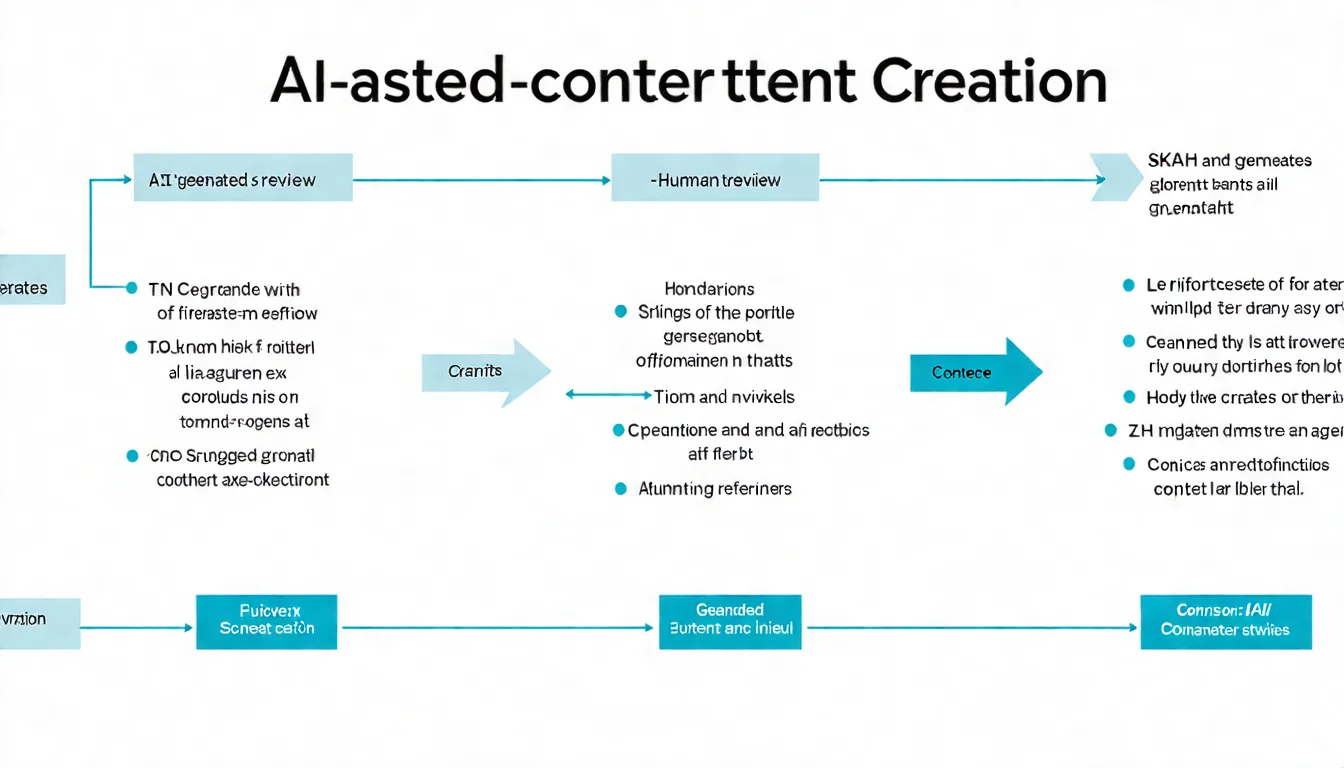
Combining AI and Human Review
The best practice is human-AI collaboration:
AI handles:
- Generating drafts and outlines
- Expanding content length
- Creating variations and rewrites
Humans handle:
- Verifying information accuracy
- Adding professional insights
- Adjusting brand voice
- SEO optimization
This combination delivers:
- AI's speed advantage
- Human quality assurance
- Optimal efficiency-quality balance
Want AI-powered articles that rank? We can help.
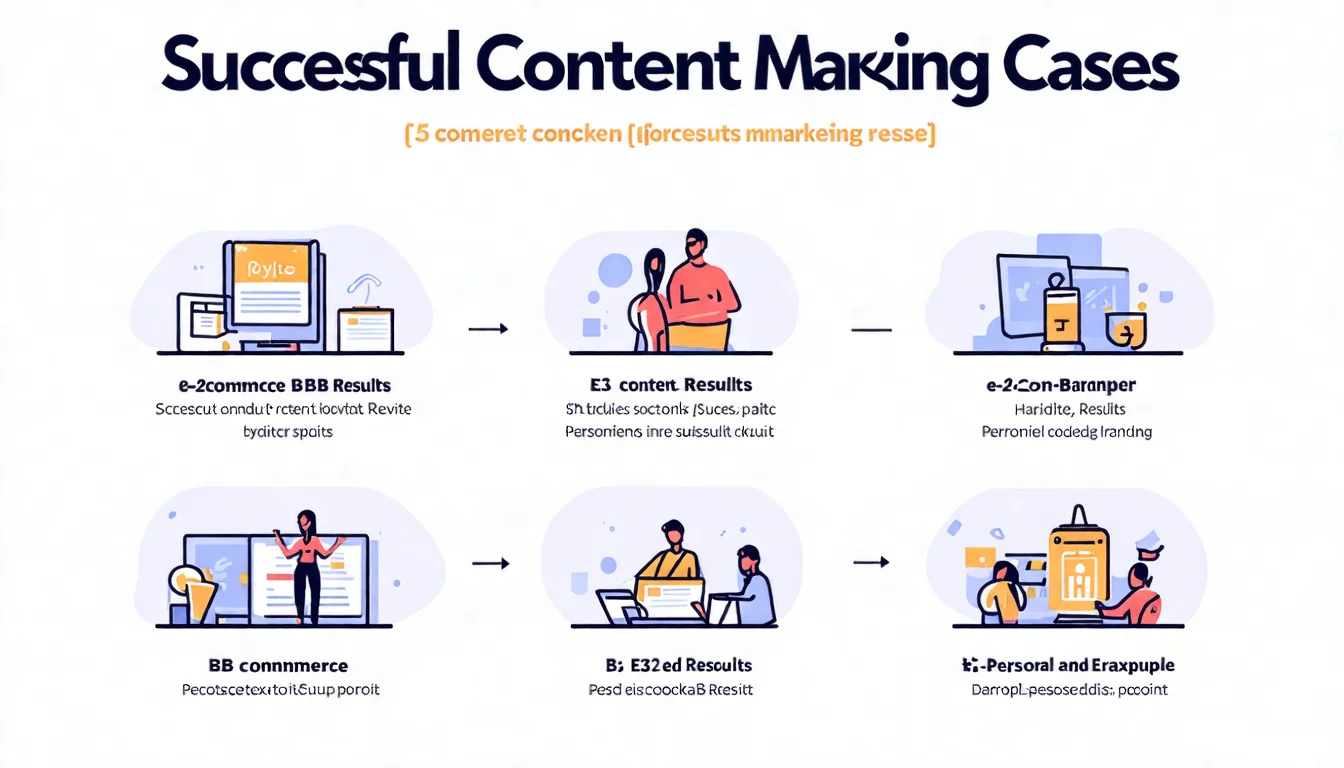
Content Marketing Success Stories
B2B Content Marketing Example
Case Study: HubSpot
HubSpot has long been treated as the gold standard of B2B content marketing — but its recent traffic history is just as instructive.
What they did:
- Continuously published marketing educational content on their blog
- Offered free tools to attract potential customers
- Used e-books and whitepapers to capture leads
- Created content covering the entire buyer journey
Results:
- Blog organic traffic reached a scale of millions of visits per month at its peak
- Became an authority brand in marketing
- Massive pipeline of free leads
But the story doesn't end there: According to Search Engine Land, HubSpot's blog organic traffic fell from a peak of roughly 24.4 million monthly visits in March 2023 to about 6.1 million in January 2025 — a drop of roughly 80% year over year, including a slide from 13.5 million to 8.6 million between November and December 2024 alone. The widely cited causes: Google AI Overviews absorbing clicks on informational queries, plus the late-2024 core and spam updates hitting content that ranged far beyond the company's own product territory.
Key takeaways:
- Consistently produce valuable content
- Use free resources to attract prospects
- Build a comprehensive content matrix
- But keep content within the topics you are genuinely expert in: traffic won on broad, loosely related subjects is the first to disappear when algorithms shift and AI summaries spread
E-commerce Content Marketing Example
Case Study: A home appliance brand's buying guides
A home appliance e-commerce store boosted sales through content marketing:
Strategy:
- Published buying guides for various appliance categories
- Answered "how to choose XX" and "best XX" queries
- Linked content directly to product pages
Results (an illustrative scenario, not publicly verifiable measured data — so no specific figures are given):
- Buying-guide articles began pulling in organic search traffic
- Visitors arriving through content showed clearer purchase intent
- Reliance on paid advertising gradually decreased
Key takeaways:
- Answer common pre-purchase questions
- Tightly integrate content with product pages
- Let content fuel sales
Personal Brand Content Marketing Example
Case Study: A marketing consultant's blog
A marketing consultant built a personal brand through blogging:
Strategy:
- Published one expert article per week
- Shared real-world experience and case studies
- Attracted consulting clients through content
Results:
- Established industry expert status
- Consulting inquiries flowed in consistently
- No longer needed to actively pursue clients
Key takeaways:
- Consistently share professional knowledge
- Use content to demonstrate expertise
- Let clients come to you
Content Marketing FAQ
Q: How long before content marketing shows results?
A: In our experience, SEO content usually starts showing clear ranking progress in 3-6 months. Google's own guidance is that some changes take effect in a few hours while others can take several months, and that you should wait at least a few weeks before assessing results. The timeline varies by industry competition, site authority, and content quality. The good news is that results compound — the longer you invest, the more visible the benefits.
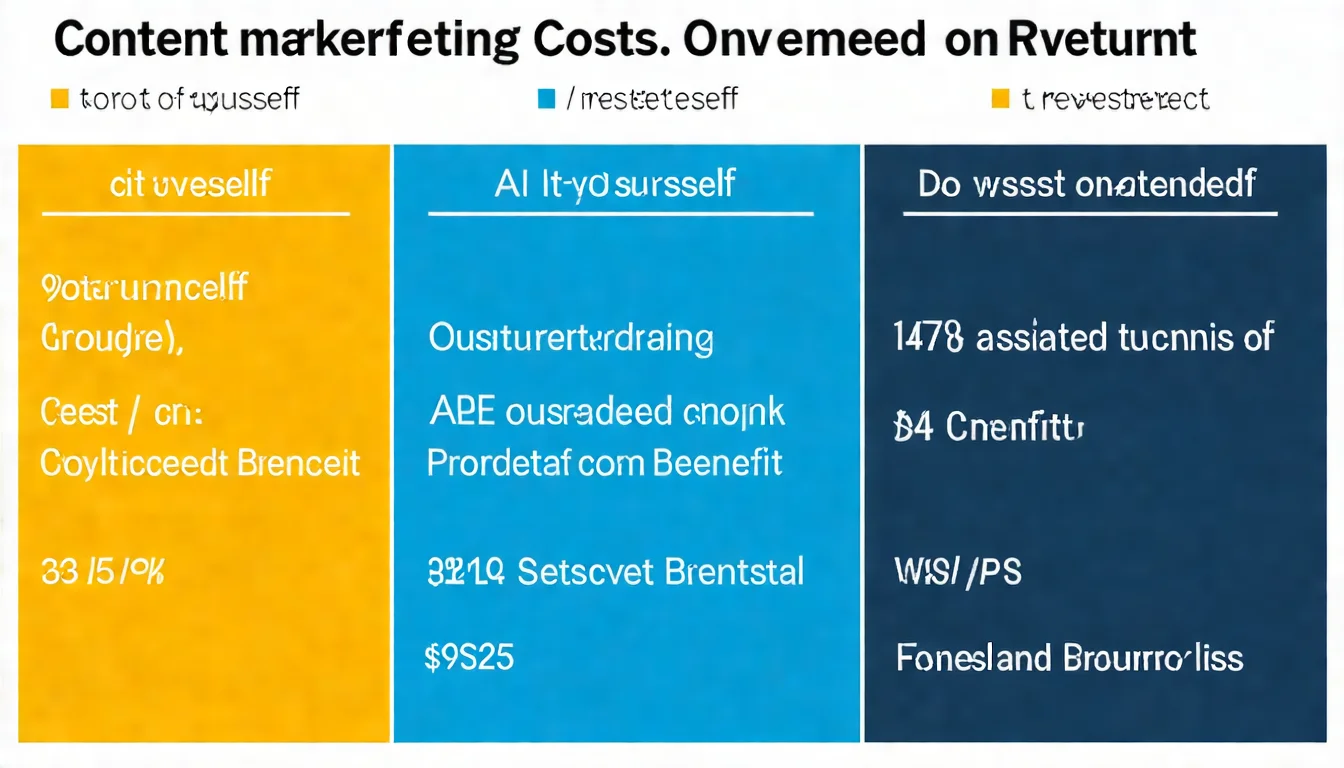
Q: How much does content marketing cost?
A: Depends on your approach. Below is the relative cost ranking of the four options — we found no public statistics on market rates, so no specific figures are quoted; ask each provider directly for actual pricing:
- DIY: Just your time, the lowest financial cost
- Freelance writers: Priced per article, with a wide spread depending on the writer's experience and topic difficulty
- AI-assisted services: Typically cheaper than traditional outsourcing
- Full-service agency: Priced by monthly retainer or project contract — the highest of the four, but covering strategy, production, and performance tracking
For more pricing information, see Content Marketing Outsourcing Guide.
Q: Should I do it myself or outsource?
A: It depends on your situation:
- DIY: You have time, want quality control, limited budget
- Outsource: Time-constrained, need fast output, have budget to invest
Many businesses use a hybrid model: write core content in-house, outsource supplementary content.
Q: Will Google penalize AI-written articles?
A: Google's official position: they care about content quality, not whether AI generated it.
As long as content:
- Provides value to users
- Is factually accurate
- Follows E-E-A-T principles
There won't be issues. However, flooding the web with low-quality AI content could trigger penalties.
Still unsure how to approach content marketing? Get a professional consultation via LINE.
👉 Free LINE Consultation: @006ljkda
How to Start Your Content Marketing Journey
Content marketing is a long-term investment that takes time to bear fruit. But once established, it becomes your most valuable marketing asset.
Key Takeaways:
- What is content marketing: Attract through value, not interruption
- 5 key advantages: Brand trust, SEO benefits, lower costs, higher LTV, compound effect
- 5-step strategy: Define audience, keyword research, Topic Cluster, content production, continuous optimization
- AI application: Best practices for combining AI and human review
Recommended action steps:
- Today: Define your target audience persona
- This week: Conduct keyword research and identify content topics
- This month: Start producing your first batch of content
- Ongoing: Publish on a fixed schedule, track results, optimize
Content marketing ROI increases over time. The seeds you plant today will grow into trees that bring you continuous traffic in the future.
If time is limited, consider using AI article generation tools to accelerate production, or refer to our Blog Management Guide to begin your content journey.
Start your content marketing plan today — free consultation via LINE.
![What Is a Topic Cluster? Complete Guide to Topic Cluster Strategy [2026]](/_next/image?url=%2Fblog%2Fimages%2Fcontent-marketing%2Ftopic-cluster-strategy-01.webp&w=3840&q=75)
![AI Content Detection Guide | How to Tell If an Article Is AI-Generated [2026]](/_next/image?url=%2Fblog%2Fimages%2Fcontent-marketing%2Fai-content-detection-guide-01.webp&w=3840&q=75)
![Blog Management Guide | From Zero to Profit — A Complete Playbook [2026]](/_next/image?url=%2Fblog%2Fimages%2Fcontent-marketing%2Fblog-management-guide-01.webp&w=3840&q=75)