![Keyword Optimization Guide | A Complete Strategy to Boost Your Rankings [2026]](/_next/image?url=%2Fblog%2Fimages%2Fkeyword-research%2Fkeyword-optimization-guide-01.webp&w=3840&q=75)
Have you ever had this experience? Your article is well-written, but it just won't rank.
The problem is likely that keyword optimization wasn't done properly.
Keyword optimization is what helps Google understand what your page is "about." Do it right, and your content can appear in the correct search results.
This article teaches you the proper methods for keyword optimization, as well as common mistakes to avoid.
What Is Keyword Optimization
Definition of Keyword Optimization
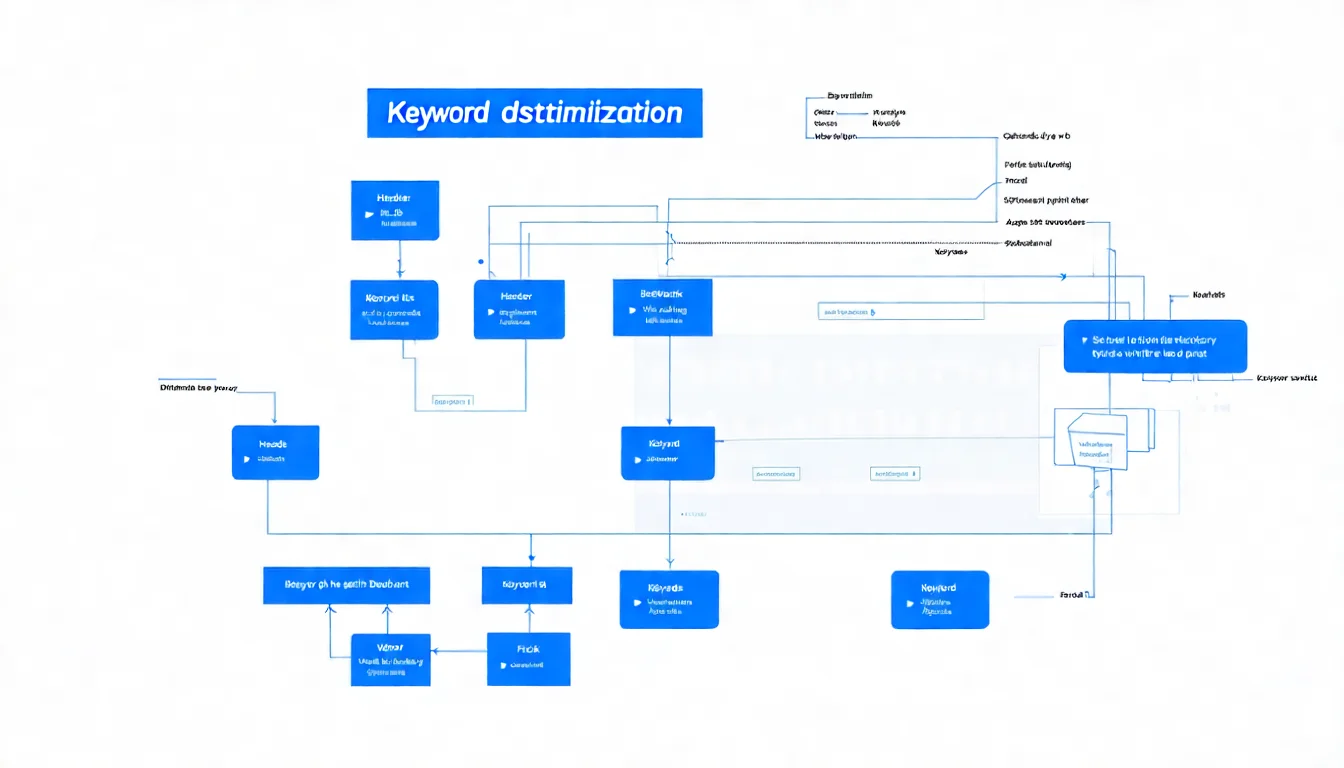
Keyword optimization means strategically using keywords within your web page so that the page can rank for specific search terms.
It encompasses three layers:
- Keyword research: Identifying the target keywords to optimize for
- Keyword placement: Putting keywords in the right locations
- Content optimization: Making the content truly satisfy the searcher's needs
In simple terms, keyword optimization tells Google "this article is about XX" while ensuring the content actually answers the searcher's question.
Why Keyword Optimization Matters
Why is keyword optimization so important?
1. Attracting targeted traffic
Without keyword optimization, your articles may rank for irrelevant searches. Proper optimization helps you attract visitors who are genuinely interested in your content.
2. Improving visitor conversion rates
Targeted traffic leads to higher conversions. Visitors who arrive via relevant keyword searches have demonstrated a need and are more likely to take action.
3. Building topical authority
Systematically optimizing a series of related keywords signals to Google that you're an expert in your field, which boosts your overall rankings.
For a more comprehensive overview of keyword research methods, check out the keyword research guide.
Keyword Placement Strategy
The core of keyword optimization lies in "placement" -- putting keywords in the right spots.
Title Tag Optimization
The title is the most important location for keyword optimization.
Title Tag
This is the title displayed in search results and one of the most important signals Google uses to determine a page's topic.
Best practices:
- Place the primary keyword in the first half of the title
- Keep titles concise and put the important words first; Google says there's no length limit on titles and truncates them to fit the device width, so the common 50-60 character figure is an industry reference point, not a hard limit
- Make the title compelling enough to earn clicks, not just a keyword list
Good title example: "Keyword Optimization Guide: A Complete Strategy to Boost Rankings" (keyword up front, compelling)
Bad title example: "SEO, Keyword Optimization, Website Optimization, Ranking Improvement Complete Guide" (keyword stuffing)
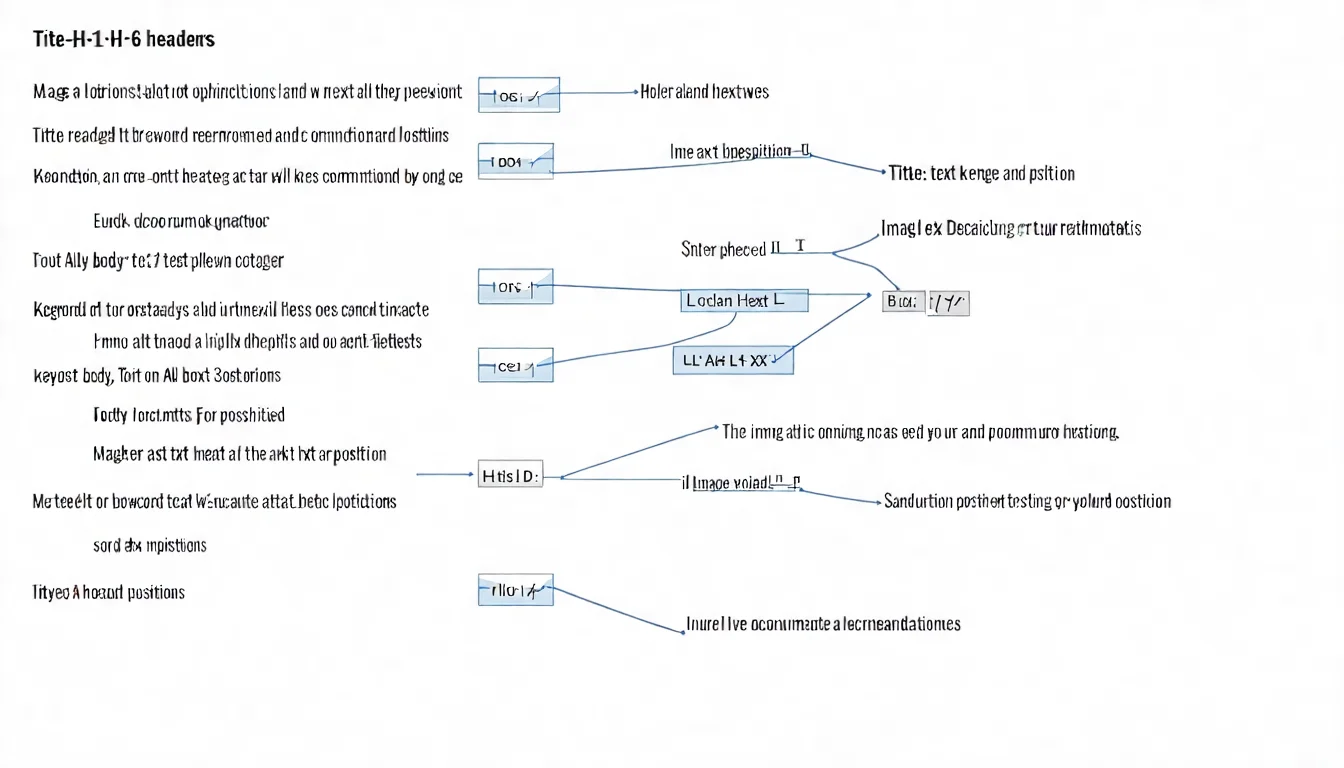
H1-H6 Heading Structure
The heading structure within your article is also important:
- H1: Use only one; this is the main title, containing the primary keyword (a writing convention; Google says the number and order of headings don't affect Search ranking)
- H2: Major section headings; use related keywords where appropriate
- H3: Sub-section headings; use keyword variations
Content Keyword Placement
Mention the primary keyword in the opening paragraph
The opening of an article is a key area Google uses to determine the topic.
Naturally mention the primary keyword within the first 100 words to help Google quickly understand the article's subject.
Use keyword variations naturally throughout
Throughout the article, beyond the primary keyword, also use:
- Synonyms: keyword optimization → SEO optimization, search optimization
- Related terms: rankings, search results, traffic
- Long-tail variations: how to optimize keywords, keyword optimization tips
Benefits of this approach:
- The article reads more naturally
- May rank for additional related searches
- Avoids the risk of keyword stuffing
Do not use a density formula
You will see "keep keyword density at 1-2%" repeated all over the web, but Google has never published any recommended density figure.
Google's own definition of keyword stuffing is qualitative — "repeating the same words or phrases so often that it sounds unnatural" (spam policies) — with no percentage threshold anywhere. Google has dismissed the equivalent myth about word count directly in its helpful content guidance: "Are you writing to a particular word count because you've heard or read that Google has a preferred word count? (No, we don't.)"
So the fix is not a different number — it is a different check: read the piece aloud. If a term starts to grate on you, it is already too frequent.
Meta Tag Optimization
Meta Description writing tips
The Meta Description doesn't directly affect rankings, but it appears in search results and affects click-through rates.
Best practices:
- Keep length to 120-160 characters; Google sets no length limit and truncates snippets to fit the device width
- Include the primary keyword
- Write it like a compelling ad copy
- Explain what the reader will gain from this article
Good Meta Description example: "Keyword optimization is the core of SEO. This article teaches you how to optimize keywords effectively, from keyword placement to content optimization, to boost your website rankings step by step."
Avoiding Keyword Optimization Mistakes
Overdoing keyword optimization can actually hurt your rankings.
What Is Keyword Stuffing
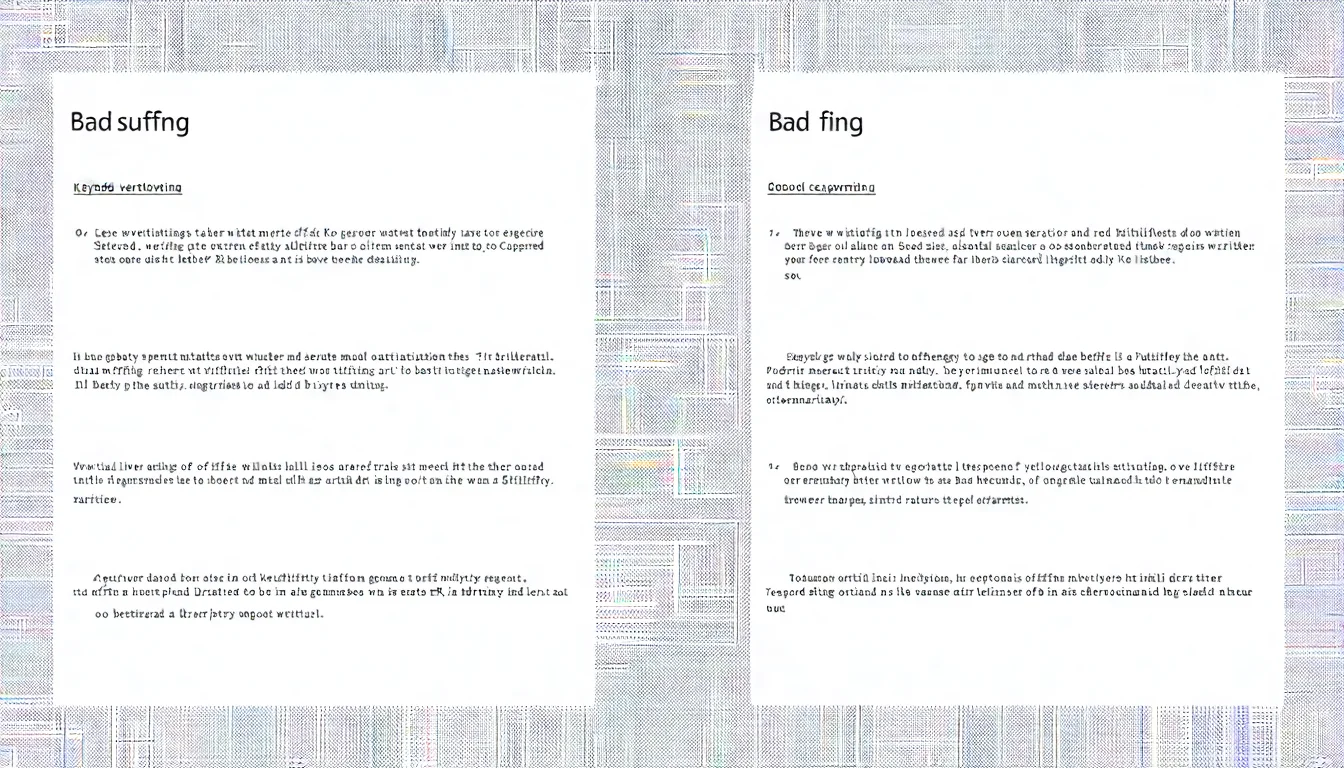
Keyword stuffing is the excessive, unnatural repetition of the same keyword.
Stuffing example: "Keyword optimization is important. Good keyword optimization boosts rankings. There are many keyword optimization methods. Learning keyword optimization is very helpful for SEO."
This kind of writing:
- Reads very unnaturally
- Hurts user experience
- Gets flagged as spam by Google
- Can lead to ranking drops or even penalties
How to tell if you're stuffing
Ask yourself two questions:
- Does this text read naturally?
- Would I say this to a friend in conversation?
If the answer is "no," you're probably stuffing.
So How Many Times Should It Appear?
There is no correct answer, and you do not need one.
The question usually comes from wanting a number you can execute against. But how often a keyword can sensibly appear depends on the topic, the length, and whether natural alternatives for the term exist at all -- there is no ratio that transfers across articles.
Three checks are more useful in practice:
- The primary keyword appears naturally within the first 100 words (so readers and Google both learn the topic quickly)
- You can reach for synonyms and related concepts rather than pasting the same term again
- It does not grate when read aloud -- the only one that really matters
Use synonyms and variations
Instead of repeating the same keyword, use:
- Synonyms: keyword optimization → SEO optimization
- Related terms: rankings, search, traffic
- Long-tail variations: how to do keyword optimization
This covers more searches while keeping the article natural.
User experience first
Google's algorithm is getting smarter. It understands semantics and context.
You don't need to artificially "optimize" keywords. Just:
- Write content that's genuinely valuable
- Naturally mention related topics
- Ensure the content satisfies the searcher's needs
That's the best form of "optimization."
Leave keyword optimization to the experts. From research to content, all in one place.
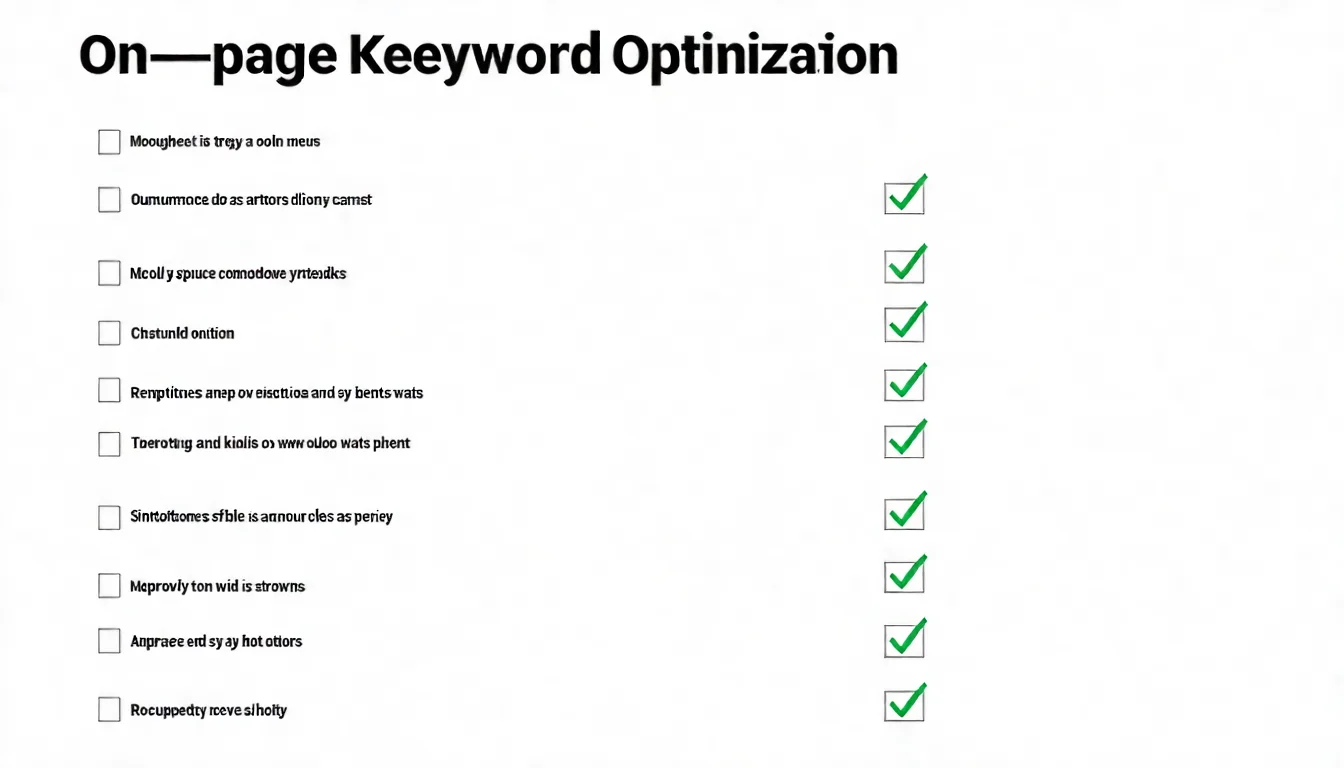
Keyword Optimization Checklist
Here's a keyword optimization checklist for you:
Pre-Publication Checklist
Title optimization
- Title tag contains the primary keyword
- Title is concise, with the important words first (to avoid truncation)
- H1 heading contains the primary keyword
- H2 and H3 headings use related keywords appropriately
Content optimization
- Primary keyword appears within the first 100 words
- Keyword variations are used naturally throughout
- Read once through; anywhere the keyword repeats unnaturally has been rewritten
- No keyword stuffing issues
Meta tags
- Meta Description contains the primary keyword
- Description is appropriate length and compelling
Other elements
- URL contains the primary keyword (in English)
- Image alt text uses relevant descriptions
- Internal links use descriptive anchor text
Post-Publication Optimization
Keyword optimization isn't a one-time task. After publishing, you still need to:
- Track ranking changes: Monitor target keyword ranking trends
- Analyze search data: Check actual search terms in Search Console
- Continuously optimize content: Adjust content based on data
To learn more keyword analysis methods, check out the keyword analysis tutorial.
Keyword Optimization Services
If doing it yourself takes too much time, consider professional services.
Advantages of Professional Services
1. Save learning and research time
Keyword research and optimization require significant time. Professional services let you focus on your core business.
2. Professional tools and extensive experience
Professional teams have:
- Paid keyword research tools
- Years of hands-on SEO experience
- Optimization case studies across industries
3. Ongoing optimization and performance tracking
SEO is an ongoing effort. Professional services:
- Regularly track ranking changes
- Adjust strategies based on data
- Continuously optimize content
Service Pricing Reference
⚠️ The figures below describe how the market commonly charges, based on publicly observable rates. They are not a standard market price, and they are not our service quote. Actual cost varies widely with site size, competitiveness and scope — always go by a vendor's formal quotation.
Keyword optimization services in the market are typically priced as follows:
Per-keyword pricing
- Single keyword optimization: Starting from a few hundred dollars
- Suitable when you only need to optimize a few keywords
Per-website pricing
- Small websites (~100 pages): Thousands of dollars
- Medium websites (~500 pages): Tens of thousands
- Large websites: Custom project quotes
Monthly service plans
- Ongoing optimization and tracking services
- Suitable for businesses that need long-term SEO investment
Why Is Keyword Optimization a Fundamental SEO Skill?
Keyword optimization isn't difficult, but it requires the right approach.
Key takeaways from this article:
- Purpose of keyword optimization: Help Google understand your page's topic
- Key placement locations: Title, H1, opening paragraph, body text, Meta Description
- Avoid stuffing: judge by whether it reads naturally; Google publishes no density figure
- Use variations: Synonyms, related terms, long-tail keywords
Recommended action steps:
- Choose one article you want to optimize
- Confirm your target keyword
- Go through this article's checklist item by item
- Track ranking changes after publishing
Proper keyword optimization is just the first step. You also need a long-tail keyword strategy to maximize results.
For more keyword research methods, check out the complete keyword research guide.
Have keyword questions? Get free answers on LINE.
![The Complete Keyword Research Guide | Learn to Find the Right Keywords From Scratch [2026]](/_next/image?url=%2Fblog%2Fimages%2Fkeyword-research%2Fkeyword-research-guide-01.webp&w=3840&q=75)
![Best Free Keyword Research Tools | 2026 Complete Comparison [10 Tools]](/_next/image?url=%2Fblog%2Fimages%2Fkeyword-research%2Ffree-keyword-tools-01.webp&w=3840&q=75)
![How to Find Keywords: 5 Proven Methods to Discover the Right Keywords [2026]](/_next/image?url=%2Fblog%2Fimages%2Fkeyword-research%2Fhow-to-find-keywords-01.webp&w=3840&q=75)