![How to Write SEO Articles | Complete Guide from Keywords to Rankings [2026]](/_next/image?url=%2Fblog%2Fimages%2Fcontent-marketing%2Fseo-article-writing-guide-01.webp&w=3840&q=75)
Spent hours writing an article but nobody reads it?
The problem might not be your writing — it might be that you didn't account for SEO.
A good SEO article doesn't just provide value to readers — it also needs to be discoverable by Google and worth recommending. This guide walks you through the complete SEO article writing process, from keyword research to post-publication tracking, step by step.
What Is an SEO Article?
Definition and Purpose
An SEO article is content optimized for search engines, designed to rank on Google and other search engines to attract organic traffic.
Unlike regular articles, SEO articles are planned from the start:
- Choose keywords first: Determine which search terms to target
- Analyze search intent: Understand what searchers truly want
- Plan content structure: Make it easy for Google to understand
- Optimize key elements: Title, description, links, etc.
The ultimate goal: when someone searches for a relevant keyword, your article appears near the top of search results.
SEO Articles vs. Regular Articles
| Aspect | Regular Article | SEO Article |
|---|---|---|
| Starting point | Write whatever you want | Begins with keyword research |
| Title | Aims for creativity | Includes target keyword |
| Structure | Free-form | Uses H1/H2/H3 hierarchy |
| Links | Few or none | Internal link network |
| Goal | Express ideas | Achieve search rankings |
This doesn't mean SEO articles are formulaic.
A good SEO article satisfies both:
- Search engine friendliness (technical optimization)
- Reader value (content quality)
Both are essential.
For more content marketing strategies, see our complete guide.
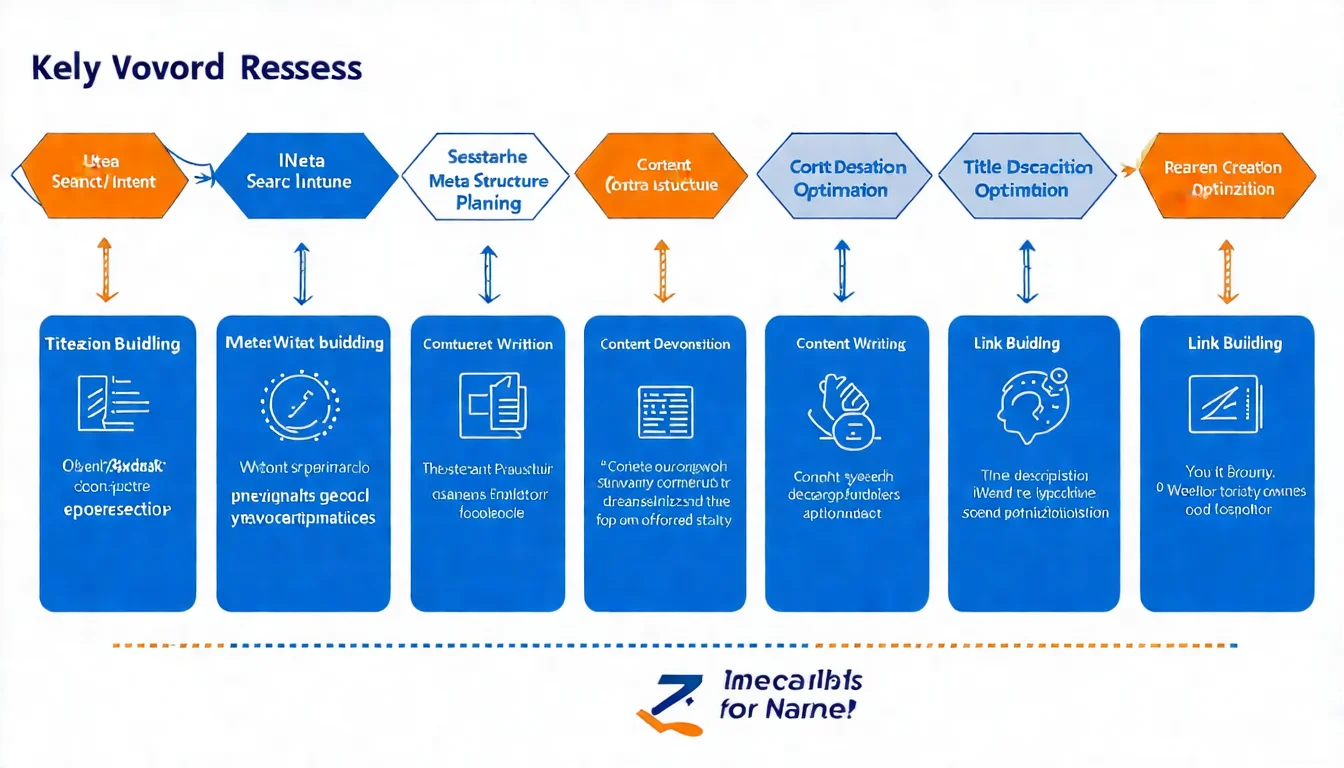
7 Steps to Write an SEO Article
Here's the complete SEO article writing workflow.
Step 1: Keyword Research and Selection
Don't skip this step. Keywords determine who can find your article.
How to choose keywords:
- Has search volume: People are actually searching for this term
- Moderate competition: Don't go for the hardest ones
- Business-relevant: Attracts your target audience
Practical approach:
Use Google Keyword Planner, Ubersuggest, or Ahrefs:
- Enter your topic
- Review search volumes for related keywords
- Assess competition difficulty
- Select 1 primary keyword + 2-3 secondary keywords
Example:
If you're writing about coffee machines:
- Primary keyword: "best coffee machine" (high volume, medium competition)
- Secondary keywords: "home coffee machine," "automatic coffee maker"
For more keyword research methods, see Keyword Research tutorial.
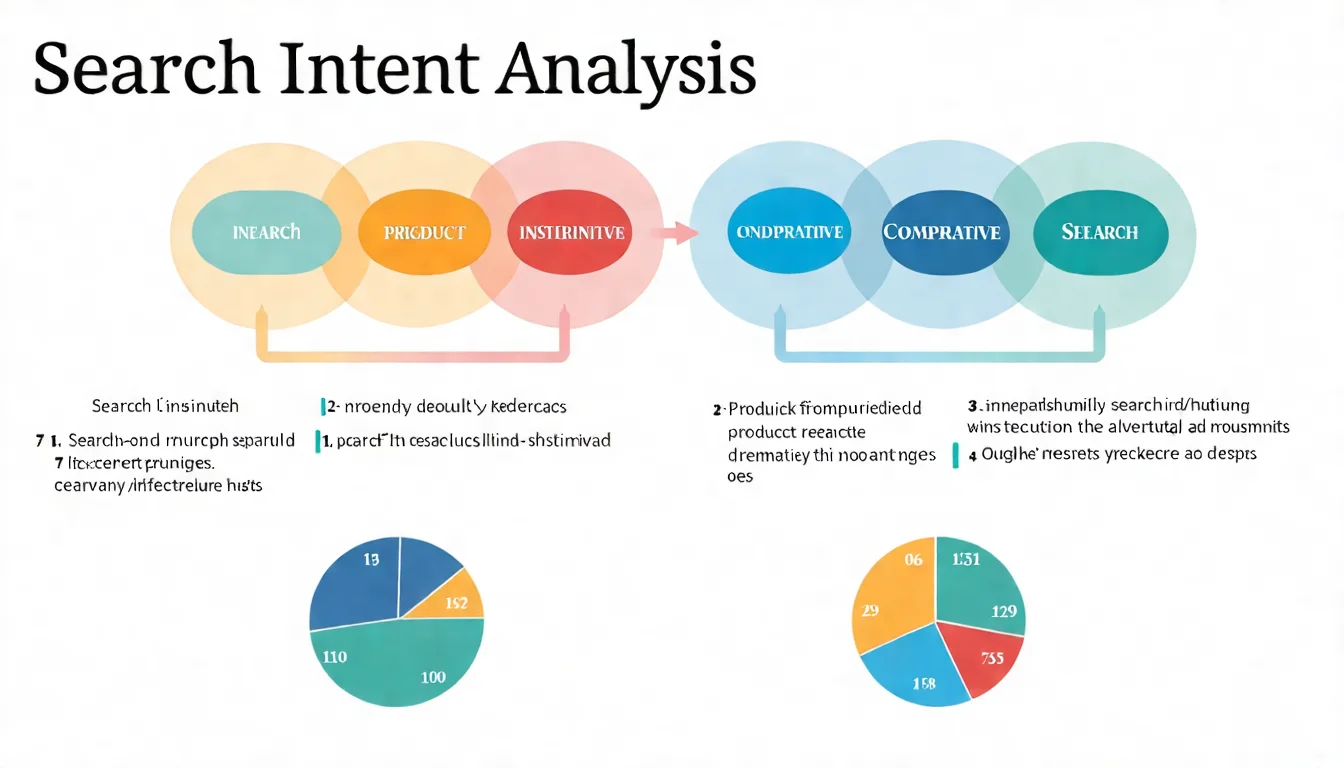
Step 2: Analyze Search Intent
Knowing the keyword isn't enough — you need to understand what searchers truly want.
The most reliable method: Google the keyword yourself
Look at what type of content ranks in the top 10:
- All tutorial articles -> Searchers want to learn
- All product comparisons -> Searchers are considering a purchase
- All product pages -> Searchers are ready to buy
Your content type must match the search intent.
If search results are all comparison articles and you write a product page, it's unlikely to rank.
Example:
Searching "best coffee machine" — the top 10 results are all "Top 10 Coffee Machine" comparison articles.
So you should write a comparison review, not a single product introduction.
Step 3: Plan Your Article Structure (H1/H2/H3)
Before writing, outline the article structure first.
Why does structure matter?
- Helps Google understand: Heading hierarchy tells Google about content organization
- Improves readability: Readers can easily find what they're looking for
- Keeps you on track: A structure prevents you from losing direction
Heading hierarchy rules:
- H1: Article main title (one per page is a common convention; Google says the number and order of headings don't matter for Search)
- H2: Major section headings
- H3: Subheadings under H2
- H4: Further subdivisions under H3 (use sparingly)
Example structure:
H1: Best Coffee Machines 2026 | 10 Home Coffee Makers Reviewed

H2: How to Choose a Coffee Machine
  H3: 3 Things to Know Before Buying
  H3: Comparing Different Types of Coffee Machines

H2: Top 10 Coffee Machine Recommendations
  H3: Best Automatic Coffee Machines
  H3: Best Semi-Automatic Coffee Machines
  H3: Best Pod Coffee Machines

H2: Coffee Machine Buying FAQ

H2: Conclusion
For more content structure techniques, see Topic Cluster Strategy.
Step 4: Write Compelling Titles
Your title determines whether anyone clicks through.
SEO title requirements:
- Include the primary keyword: Place it in the first half for better results
- Keep it short: Google publishes no character limit — search results are truncated by pixel width, and full-width CJK characters take roughly twice the width of Latin ones, so overly long titles get cut off
- Attract clicks: Make people want to read
Title formulas:
- Number-based: "10 Ways to..."
- Question-based: "How to Do XX?"
- Year-based: "2026 Latest XX Tutorial"
- Comprehensive: "Complete Guide to XX"
Real examples:
- Bad: "Some Thoughts About Coffee Machines"
- Good: "Best Coffee Machines | 10 Home Coffee Makers Reviewed 2026"
The latter includes keywords, numbers, and a year — more clickable and better for SEO.
Step 5: Optimize Your Meta Description
The meta description is the text that appears below your title in search results.
Optimization priorities:
- Keep it brief: Google gives no character limit, but a one- to two-sentence summary is the norm — longer descriptions get truncated, and every page should have its own unique description
- Include keywords: Work in the terms readers actually search for, so the description matches search intent
- Drive clicks: Explain in one sentence why readers should care
Example:
Looking for a coffee machine? This article reviews 10 popular home coffee machines, comparing features, pricing, and pros and cons to help you find the perfect match.
This description:
- Contains the keyword "coffee machine"
- Describes the article content (10 reviews)
- States the reader benefit (find the right one)
Step 6: Write Body Content with Strategic Keyword Placement
Now it's time to write the actual content.
Keyword placement principles:
- H1 title: Must include primary keyword
- First 100 words: Naturally mention the keyword
- H2 headings: Include keyword or related terms where appropriate
- Body text: Use naturally — don't force it
- Conclusion: Mention the keyword again
Keyword density:
There's no fixed number to hit. Google has never published any keyword density standard — the percentages floating around are leftovers from an older era of SEO.
What matters most is naturalness. Google's own guidance is that repeating the same word (and its variations) over and over gets tiresome for readers and violates its spam policies. Read the article aloud after writing — if a word appears so often it sounds awkward, you've over-optimized.
Content quality priorities:
- Answer the searcher's question
- Provide practical, actionable information
- Use clear paragraphs and lists
- Include images or tables where helpful
Step 7: Internal Links and External Links
Links are a critical component of SEO.
Internal links (linking to other pages on your site):
- Help readers discover related content
- Help Google understand site structure
- Pass page authority
Best practices:
- At least 2-3 internal links per article
- Use descriptive anchor text (not "click here")
- Link to relevant, valuable pages
External links (linking to other websites):
- Citing authoritative sources boosts credibility
- Link to resources that help your readers
Best practices:
- Only link to trustworthy sites
- Provide genuinely useful references
- Don't overdo external links
Seems too complex? Let AI handle your SEO articles.
SEO Title Writing Techniques
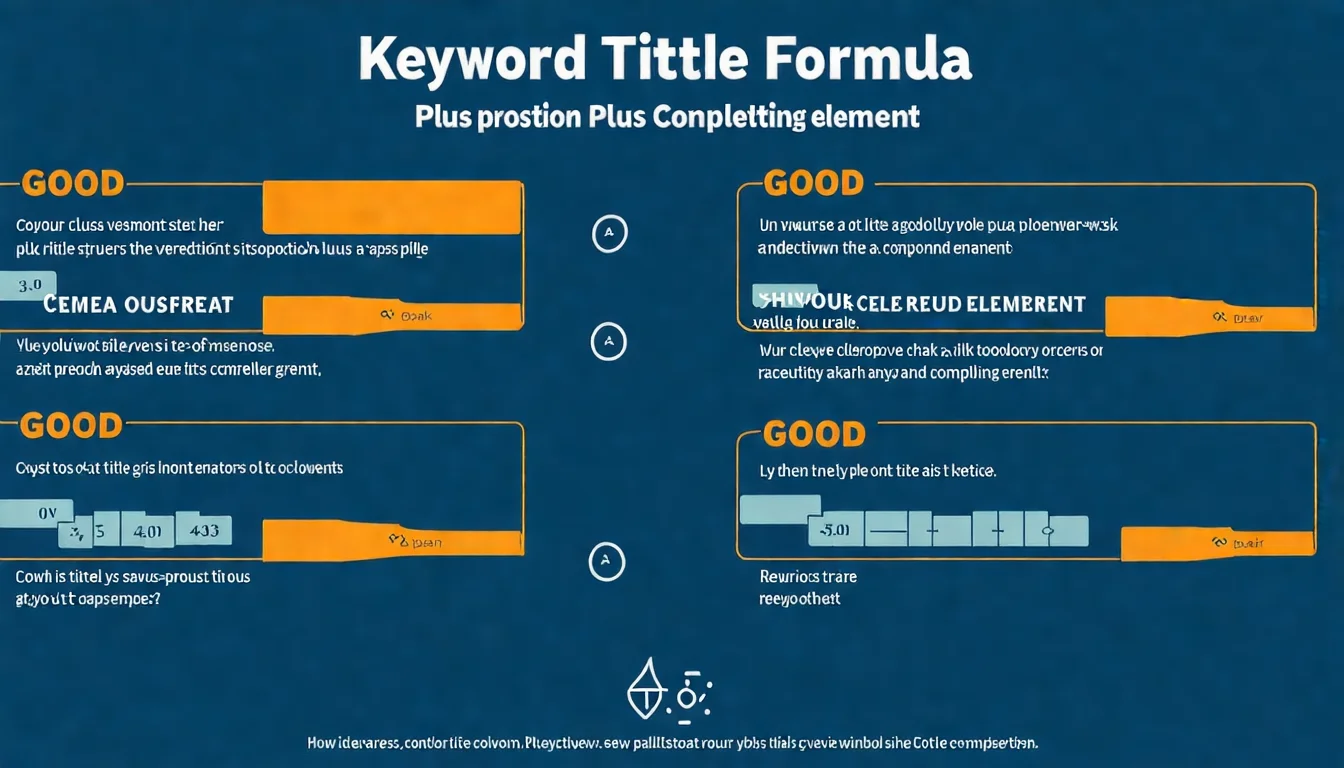
The Golden Title Formula
Great title = Keyword + Value Proposition + Attraction Element
Components explained:
- Keyword: Tells Google and readers what the article covers
- Value proposition: What the reader gains
- Attraction element: Why they should click now
Attraction element examples:
- Numbers: "10 Best," "5 Steps"
- Year: "2026," "Latest"
- Completeness: "Complete Guide," "Tutorial"
- Benefits: "Free," "Quick," "Easy"
10 High-CTR Title Templates
- XX Tutorial | Complete Beginner's Guide [2026]
- How to Do XX: 5 Easy Steps
- Best XX | 10 Top Picks Fully Reviewed
- XX vs YY | Which Is Better? Full Comparison
- What Is XX? Everything You Need to Know
- Why XX Matters: 5 Key Benefits
- XX FAQ | 10 Most Common Questions Answered
- Best XX Tools | 5 Free Options Reviewed
- How to XX: A Beginner's Guide from Scratch
- XX Playbook | Expert Tips and Techniques
Usage tip:
Choose the formula that fits your content type, then swap in your keyword.
SEO Content Optimization Best Practices
Keyword Density and Natural Usage
Higher keyword density is not better.
Over-optimization can actually trigger penalties.
How to use keywords naturally:
-
Use synonyms and related terms
- Primary keyword: "best coffee machine"
- Related: "coffee maker review," "coffee machine comparison," "top coffee makers"
-
Match the context
- Don't force keywords into sentences
- Sentences must flow naturally
-
Spread throughout the article
- Include in opening, middle, and closing
- Don't cluster in one section
Readability Enhancement Techniques
Reading on the web is different from reading a book.
Readers typically scan rather than read word by word.
How to improve readability:
- Keep paragraphs short: 3-4 sentences each
- Use lists: Bullet points are easier to scan than long paragraphs
- Use bold text: Highlight key points
- Add images: Break up walls of text
- Use tables: Present comparative information at a glance
Layout tips:
- Add a subheading every 2-3 paragraphs
- Present key data in list format
- Use tables for comparisons
Image Alt Text Optimization
Images are part of SEO too.
What alt text does:
- Helps Google understand image content
- Displays when images fail to load
- Assists screen readers for accessibility
Optimization approach:
- Describe the image content
- Include keywords naturally (if relevant)
- Don't stuff keywords
Examples:
- Bad: Alt="" (empty)
- Bad: Alt="coffee machine best coffee machine recommended coffee machine" (keyword stuffing)
- Good: Alt="Philips automatic coffee machine exterior view" (descriptive)
Professional SEO article writing services — save time and get rankings.
👉 Free LINE Consultation: @006ljkda
Post-Publication SEO Optimization
Writing and publishing isn't the finish line — post-publication optimization is equally important.
Submit to Google Search Console
Help Google discover your article faster.
After publishing, go to Google Search Console:
- Enter your article URL in the search bar
- Click "Request Indexing"
- Google adds the URL to its crawl queue
This helps Google learn about the page sooner, but Google states plainly that a successful submission does not guarantee the page will be indexed, and each property has a daily submission quota. If you have many pages to submit, use a sitemap instead of submitting them one by one.
Track Rankings and Adjust Strategy
Monitor continuously after publishing:
- 1-2 weeks later: Check if it's been indexed
- 1 month later: Review initial rankings
- 3 months later: Evaluate ranking trends
If rankings are poor:
- Analyze competitors: What do they have that you're missing?
- Add content: Increase depth and breadth
- Optimize title: It may need to be more compelling
- Add internal links: Link from other pages
If rankings are good:
- Keep updating: Add the latest information
- Expand related content: Write more on related topics
- Optimize conversions: Turn traffic into value
For how to use AI article generation tools to boost efficiency, see our tool reviews.
SEO Article Writing FAQ
Q: How long should an SEO article be?
A: There's no absolute standard, and Google's documentation has never suggested any minimum word count. The key is "fully answering the searcher's question." Competitive keywords typically require longer, more in-depth content.
Q: How long does it take to write one SEO article?
A: There's no one-size-fits-all figure — it depends on how difficult the topic is, how deep the research goes, and whether you need to gather first-hand data. AI tools can shorten the process noticeably, but human review is non-negotiable.
Q: How do I judge SEO article quality?
A: A quality SEO article: (1) Fully answers the searcher's question; (2) Contains accurate, up-to-date information; (3) Has a clear, readable structure; (4) Offers unique perspectives or value; (5) Has proper technical optimization (title, description, links).
Q: What should keyword density be?
A: Google has never published any keyword density figure — those percentages are an old SEO myth. What matters is using keywords naturally: repeating the same word (and its variations) over and over tires readers out and violates Google's spam policies. Read the article aloud — if it sounds right, you're on track.
Q: How often should articles be updated?
A: Depends on content type. Time-sensitive content (like annual recommendations) should be updated yearly. Evergreen content should be reviewed every 6-12 months to determine if it needs refreshing.
How to Write SEO Articles That Balance Technical and Content Quality
Writing great SEO articles requires both technical optimization and content excellence.
Key Takeaways:
- 7-step process: Keywords -> Intent -> Structure -> Title -> Description -> Body -> Links
- Title techniques: Keyword + Value Proposition + Attraction Element
- Content optimization: Natural keyword usage, improved readability
- Post-publication tracking: Submit for indexing, monitor rankings, continuously optimize
Advice for beginners:
- Don't aim for perfection on your first article — finish it, then optimize
- Start with low-competition keywords for practice
- Study high-ranking articles and learn from their structure
- Track data continuously and learn from results
For more content marketing strategies, see our complete guide.
End-to-end SEO article services — from keywords to rankings.
![AI Content Detection Guide | How to Tell If an Article Is AI-Generated [2026]](/_next/image?url=%2Fblog%2Fimages%2Fcontent-marketing%2Fai-content-detection-guide-01.webp&w=3840&q=75)
![Blog Management Guide | From Zero to Profit — A Complete Playbook [2026]](/_next/image?url=%2Fblog%2Fimages%2Fcontent-marketing%2Fblog-management-guide-01.webp&w=3840&q=75)