![Blog Management Guide | From Zero to Profit — A Complete Playbook [2026]](/_next/image?url=%2Fblog%2Fimages%2Fcontent-marketing%2Fblog-management-guide-01.webp&w=3840&q=75)
Want to start a blog but don't know where to begin?
Or maybe you've already started, but traffic just won't pick up?
Running a blog isn't as simple as "just write." You need strategy, patience, and the right approach.
This guide walks you through the entire blog management process — from choosing your topic and platform to monetization methods — a complete playbook for beginners.
Why Should You Start a Blog?
The Value and Opportunity of Blogging
A blog is your content asset.
Unlike social media, a blog:
- You own it: No algorithm controls your reach
- Delivers lasting value: Good articles continue driving traffic
- Compounds over time: The more you write, the larger your asset
What can a blog bring you?
- Passive traffic: SEO continuously drives search traffic
- Professional image: Build authority in your field
- Revenue opportunities: Ads, affiliate marketing, sponsored posts, and more
- Additional opportunities: Speaking invitations, book deals, networking
Can You Still Make Money Blogging in 2026?
Yes, but the playbook has changed.
The days of cranking out content and making money from ad traffic alone are over.
Successful blogs today typically:
- Focus on a specific niche market
- Prioritize content quality over quantity
- Leverage SEO for targeted traffic
- Diversify revenue streams
How AI is changing things:
AI makes content production easier, which also makes competition fiercer.
But this creates opportunity:
- Use AI to boost efficiency
- Add human depth and perspective
- Focus on what AI can't do
Who Should Start a Blog?
Good fit:
- Has expertise or passion in a specific area
- Willing to commit long-term (at least 6-12 months)
- Has basic writing skills
- Wants to build a personal brand or passive income
Not a good fit:
- Wants to get rich quickly
- Doesn't have time for consistent output
- Has no passion for any particular topic
- Wants a one-and-done project
Blogging is a long game — a short-term mindset rarely leads to success.
For a comprehensive look at content marketing strategy, check out our guide.
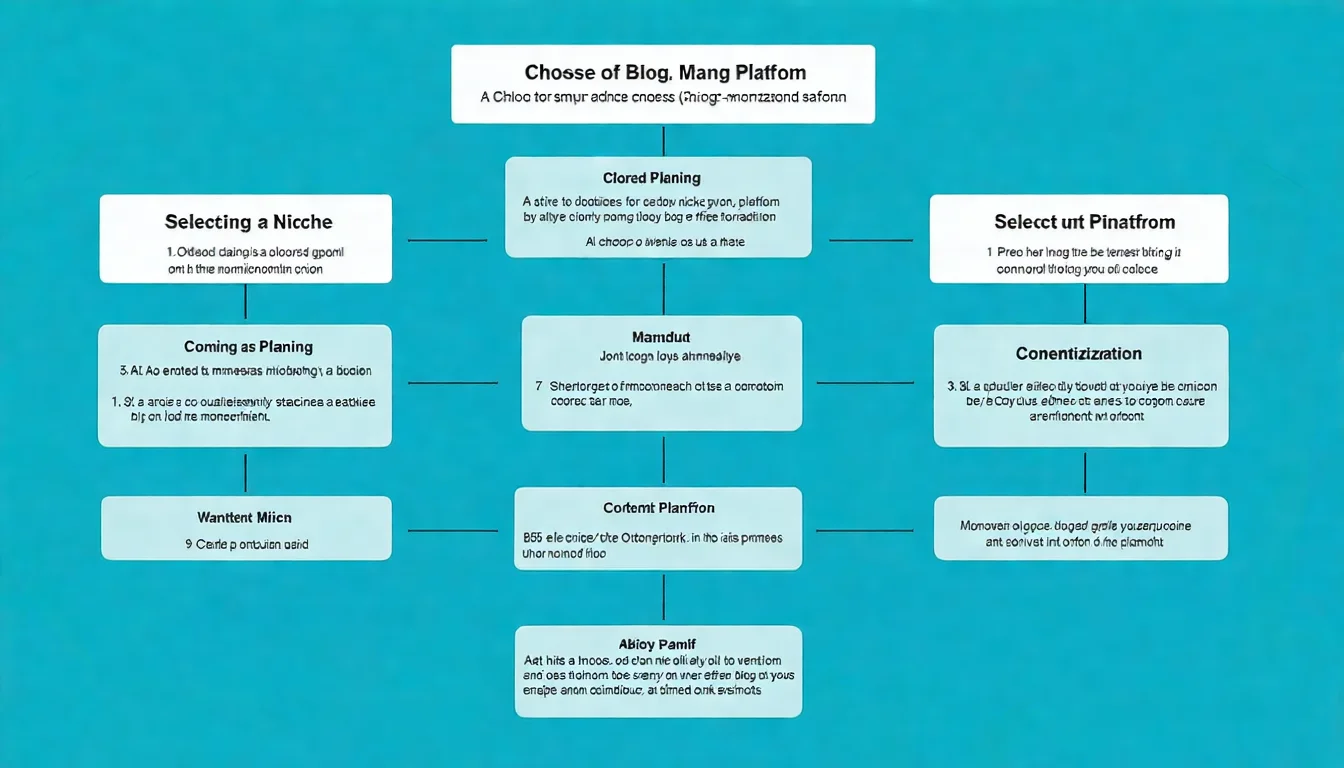
5 Steps to Start Your Blog
Here's the complete process for beginners getting into blogging.
Step 1: Choose Your Niche
Don't try to write about everything.
Writing about everything means excelling at nothing — you won't build a competitive edge.
How to choose a niche
Look for the intersection of three circles:
- Your interests: So you can sustain it long-term
- Your skills: So you can provide real value
- Market demand: So people are searching for it
Good niche examples:
- "Lifestyle" -> Too broad
- "Cooking" -> Still too broad
- "Beginner baking tutorials" -> Specific enough
- "Personal finance for 30-something professionals" -> Clear target audience
Selection tips:
- List 5-10 topics you're interested in or skilled at
- Use Google Trends to check search trends
- Research competitors — can you do it better?
- Pick one and start
Step 2: Choose Your Platform
Self-hosted vs. Hosted platforms:
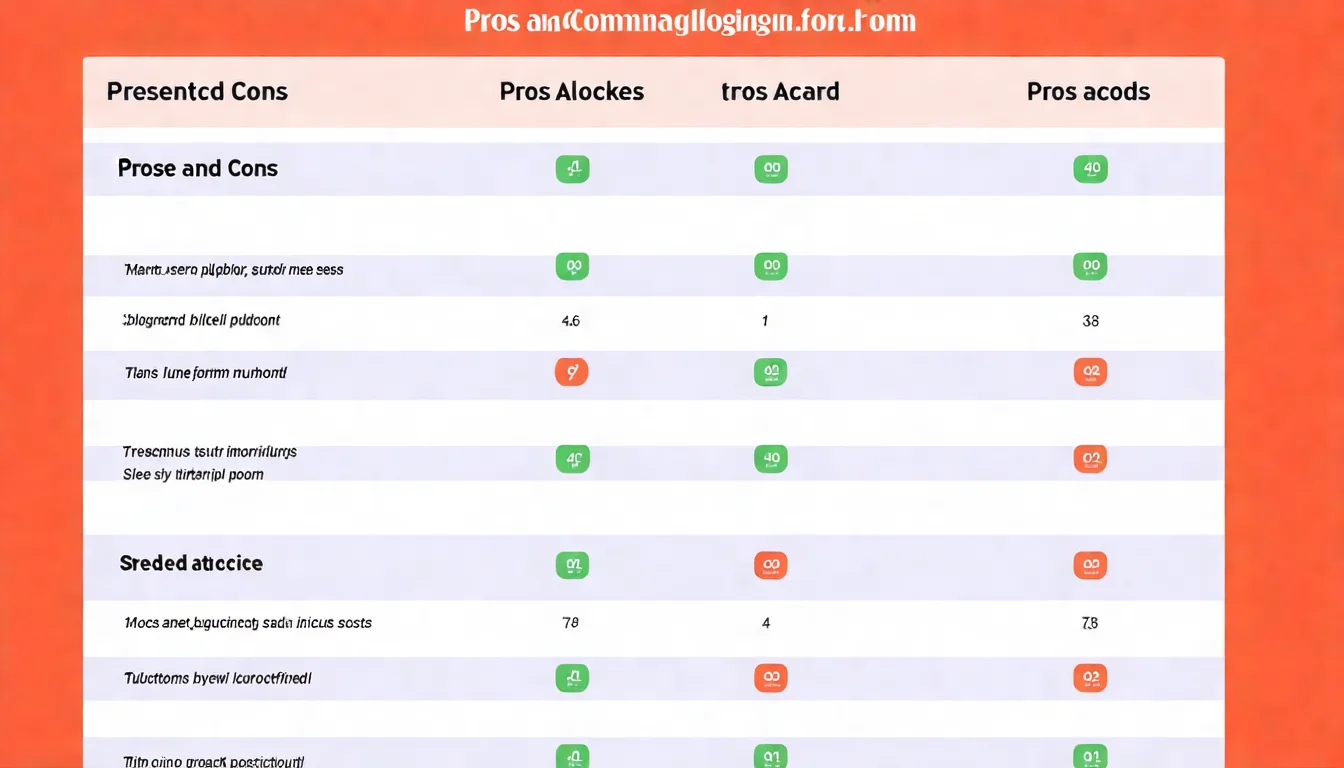
| Type | Example | Pros | Cons |
|---|---|---|---|
| Self-hosted | WordPress.org | Full control, maximum flexibility | Requires technical skills, higher cost |
| Hosted | Blogger | Free, easy to start | Platform limitations, less ownership |
| Middle ground | WordPress.com, Medium | Easy to use | Feature limitations |
Beginner recommendations:
- Have budget: Go straight with self-hosted WordPress.org
- Testing the waters: Start with Blogger or WordPress.com
- Content-focused: Use Medium (but weaker for SEO)
We'll compare platforms in more detail below.
Step 3: Plan Your Content Strategy
Don't just write whatever comes to mind.
You need a systematic content plan:
- Define core topics: The main scope of your niche
- Do keyword research: Find keywords with search volume
- Plan content types: Tutorials, reviews, experiences, listicles, etc.
- Build a content calendar: What to publish weekly/monthly
Recommended content structure (Topic Cluster):
- 1 pillar guide (covers the full topic)
- 5-10 satellite articles (dive into subtopics)
- Continuously expand
For more on content structure, see Topic Cluster Strategy.
Step 4: Consistent Output and SEO Optimization
Consistency beats volume.
Beginner recommendations:
- Start with 1-2 articles per week
- Maintain the pace for 3-6 months
- Adjust strategy based on data
Basic SEO optimization:
- Include keywords in titles
- Use proper heading hierarchy (H1/H2/H3)
- Link articles with internal links
- Optimize image alt text
- Write compelling meta descriptions
For more writing techniques, see SEO Article Writing tutorial.
Step 5: Build Traffic and Audience
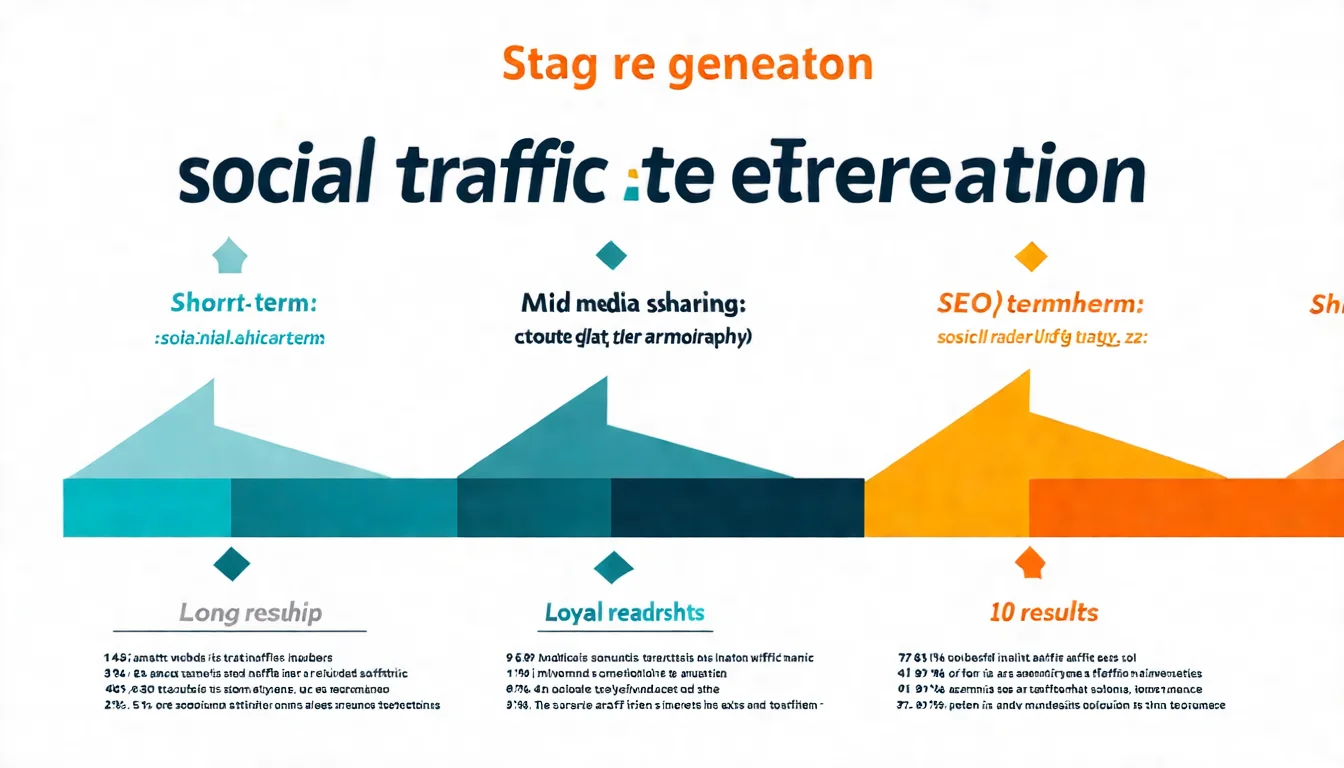
Traffic source planning:
- Short-term: Social media sharing, forum participation
- Medium-term: SEO starts producing results
- Long-term: Loyal readers, newsletter subscribers
Audience building methods:
- Newsletter: Collect emails to reach readers directly
- Social media: Facebook, Instagram, etc.
- Engagement: Reply to comments, build relationships
Traffic is the foundation of monetization — without traffic, revenue discussions are premature.
No time to write blog content? Let AI help you produce it.

Blog Platform Comparison
WordPress vs Blogger vs Medium
| Platform | Cost | SEO-Friendly | Flexibility | Difficulty | Best For |
|---|---|---|---|---|---|
| WordPress.org | Hosting fees | 5/5 | 5/5 | 3/5 | Serious bloggers |
| Blogger | Free | 4/5 | 3/5 | 2/5 | Beginners |
| Medium | Free | 2/5 | 2/5 | 1/5 | Pure writers |
| WordPress.com | Free/Paid | 3/5 | 3/5 | 2/5 | Middle ground |
WordPress.org (Self-hosted):
- Requires your own hosting and domain
- Full ownership of the website
- Best SEO control
- Ideal for serious, long-term commitment
Blogger:
- Google's free platform
- Decent basic SEO
- Limited features
- Good for beginners testing the waters
Medium:
- Pure writing platform
- Built-in reader base
- Very limited SEO control
- Best for writers focused purely on content
Who Is Blogger Best For?
Pros:
- Free with no strings attached
- Google product with reliable uptime
- Easy for complete beginners
Cons:
- Limited monetization options
- Limited SEO control
- You don't fully own the content
Best for:
- Casual sharing without commercial goals
- Those wanting built-in community features
- Those who don't want to deal with technical issues
Platform Recommendation for Beginners
If you're serious about blogging: WordPress.org
The initial investment is your annual hosting and domain fees — the actual amount depends on which host and plan you pick, so check the provider's current list price before you buy. In exchange you get full control and the best SEO performance.
If you want to try first: Blogger
Completely free, a Google product, decent basic SEO, and migrating later isn't too difficult.
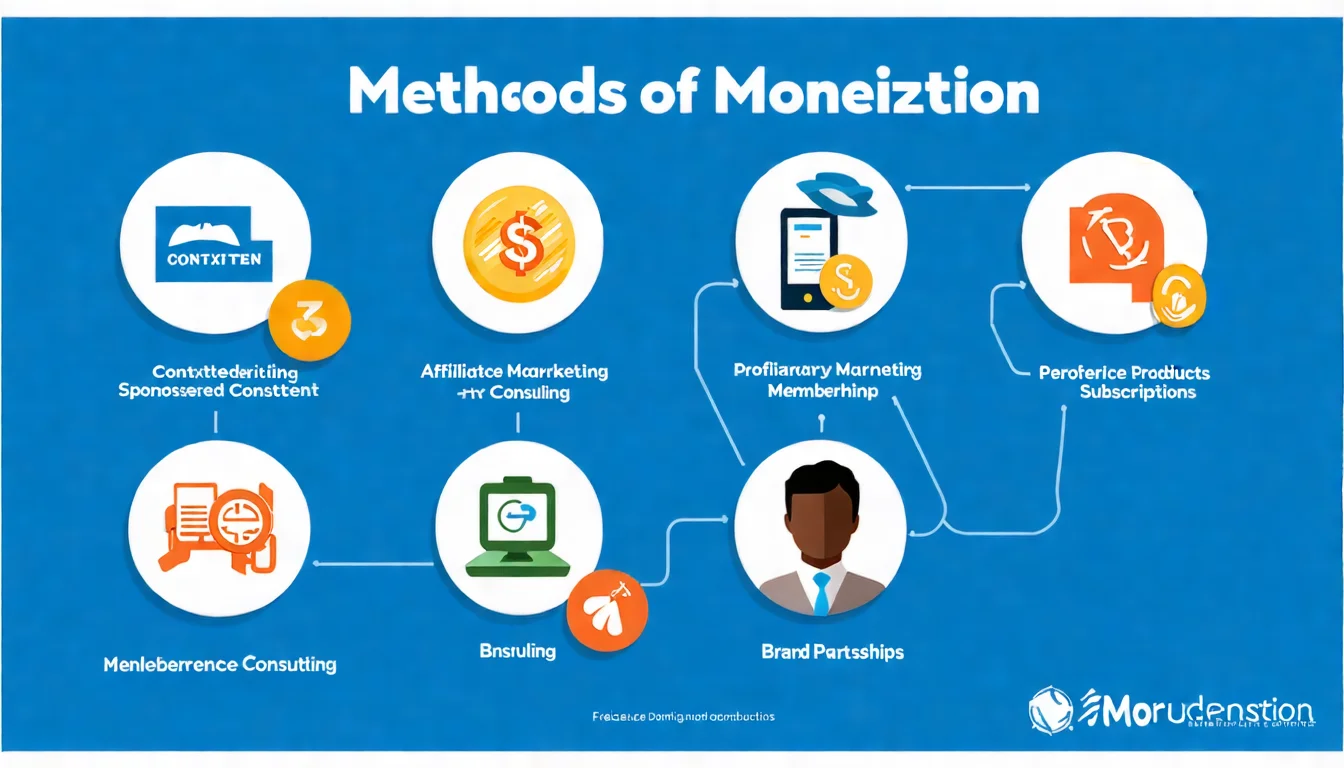
How to Make Money Blogging: 7 Monetization Methods
Google AdSense
The most traditional monetization method.
Place Google ads in your articles. Per Google's own AdSense documentation, you get paid based on user clicks on ads or on ad impressions, depending on the type of ad — clicks are not the only way you earn.
Reality check:
- Requires significant traffic for meaningful income
- Earnings per impression or click are small, and the effective rate varies widely by niche, reader location, and advertiser demand
- Google does not publish earnings ranges — you only find out what your site pulls in once it's live and you can read your own dashboard
Threshold: You need a minimum amount of content to get approved.
Affiliate Marketing
Promote other people's products and earn a commission.
For example:
- Recommend e-commerce products -> earn a cut when someone buys
- Recommend online courses -> earn a cut when someone enrolls
- Recommend SaaS tools -> earn a cut when someone subscribes
Pros:
- No need to create your own products
- Commission rates vary enormously by platform and product category (digital goods and courses typically pay better than physical products) — check each affiliate program's published terms
- Passive income potential
Key points:
- Only recommend products you genuinely trust
- Disclose affiliate relationships
Sponsored Posts
Brands pay you to write articles.
This requires:
- A certain level of traffic and influence
- A clearly defined audience
- Professional writing skills
How pricing works:
There is no published rate card for sponsored posts — deals are negotiated case by case. What moves the price: traffic volume, how well-defined your audience is, the content format (text only vs. photography vs. video), and the usage rights the brand wants. New blogs have little leverage; the larger and more targeted your audience, the more you can command per post.
Your Own Products or Courses
Sell your own offerings.
For example:
- E-books
- Online courses
- Templates or tools
- Physical products
Pros:
- Highest profit margins
- Full control
Challenges:
- Requires product development capability
- Needs a sufficient trust foundation
Membership/Subscription Model
Paid readers get exclusive content.
Platforms:
- Patreon
- Self-hosted membership systems
- Paid newsletter subscriptions
Best for:
- Those with loyal reader bases
- Those who can deliver ongoing exclusive value
Freelancing and Consulting
Leverage your expertise to provide services.
Your blog proves your expertise, which brings clients.
For example:
- Writing/marketing consulting
- One-on-one advisory
- Project-based work
Brand Partnerships
Deeper commercial collaborations.
For example:
- Brand ambassadorships
- Co-branded products
- Long-term partnership agreements
This typically requires greater influence and visibility.
Blog Content Production Tips
How to Find Writing Inspiration
1. Keyword Research
Use tools to discover search demand in your niche:
- Google Keyword Planner
- Ubersuggest
- Answer The Public
2. Reader Questions
Collect frequently asked questions from your audience:
- Comment sections
- Social media inquiries
- Email replies
3. Competitor Analysis
See what competitors are writing — then write something better:
- More comprehensive
- More up-to-date and accurate
- More unique angle
4. Personal Experience
Share your own stories and lessons learned:
- Success stories
- Failure lessons
- Reflections and insights
Publishing Schedule and Output Frequency
Consistency matters more than volume.
Beginner recommendations:
- Starting phase: 1 article per week — build the habit first
- Growth phase: 2 articles per week — accelerate accumulation
- Mature phase: Adjust based on data
Scheduling tips:
- Plan monthly themes at the start of each month
- Set fixed writing times (e.g., 1 hour every morning)
- Batch production (outline 2-3 articles at once)
- Maintain a fixed publishing day
Using AI to Accelerate Content Production
AI is a tool, not a replacement.
AI can help you:
- Speed up first draft creation
- Generate content ideas
- Assist with research organization
- Improve article structure
Usage recommendations:
- AI generates the first draft
- Human adds perspectives and experience
- Refine tone and style
- Verify factual accuracy
For more on AI article generation tools, see our review.
Outsource your blog content — save time with professional results.
👉 Free LINE Consultation: @006ljkda
Blog Management FAQ
Q: How long before a blog makes money?
A: With serious effort, expect to see income around the 6-12 month mark. The first 3-6 months are primarily about building content and traffic. Don't expect immediate returns — treat your blog as a long-term investment.
Q: How many articles should I publish per week?
A: For beginners, 1-2 articles per week is recommended. Focus on quality and consistency. 10 high-quality articles > 30 low-quality ones. Find a rhythm that works for you.
Q: How much does blogging cost?
A: It can be free (using Blogger or Medium), or you can self-host WordPress and pay annual hosting plus domain fees — the amount depends on the host and plan you choose, so go by the provider's current list price. Beginners should try a free platform first, then invest in self-hosting once committed.
Q: Can I blog without writing experience?
A: Absolutely. Writing skills improve with practice. Start with simple topics and you'll naturally get better. AI tools can also assist you along the way.
Q: Will I run out of blog topics?
A: No. A single niche can be explored from countless angles: tutorials, reviews, comparisons, case studies, FAQs... One topic can yield many articles. Keep learning, and you'll always have new content.
How to Build a Successful Blog with a Long-Term Mindset
Blogging takes time and patience, but the rewards are significant when done right.
Key Takeaways:
- Choose the right niche: Interest x Skill x Market demand
- Choose the right platform: WordPress for serious bloggers, Blogger for testing
- Plan your content: Use Topic Cluster architecture, maintain consistent output
- Diversify monetization: Ads, affiliate marketing, sponsored posts, products...
- Leverage AI: Boost efficiency, but don't rely on it completely
Advice for beginners:
- Just start: Perfection isn't required — learn as you go
- Pick one niche: Focus beats trying to do everything
- Write one article per week: Building the habit is most important
- Evaluate after 6 months: Give yourself enough time
For more content marketing strategies and website management tips, check out our other articles.
All-in-one blog content services — from planning to production.
![AI Content Detection Guide | How to Tell If an Article Is AI-Generated [2026]](/_next/image?url=%2Fblog%2Fimages%2Fcontent-marketing%2Fai-content-detection-guide-01.webp&w=3840&q=75)
![Content Marketing Outsourcing Guide | Pricing Models and Choosing a Provider [2026]](/_next/image?url=%2Fblog%2Fimages%2Fcontent-marketing%2Fcontent-marketing-outsourcing-guide-01.webp&w=3840&q=75)